Nicola Benedetti’s American themes for Edinburgh are making the 2026 festival feel like a transatlantic programming statement. The festival theme emerged on March 12, 2026.
Benedetti Turns Toward America
Edinburgh streets will transform into a stage for American history in August 2026. Nicola Benedetti, the acclaimed violinist now in her fourth year as Festival Director, revealed a program that bridges the North Atlantic through shared history and artistic evolution. This curatorial shift invites a deeper look at shared history. By centering the 2026 Edinburgh International Festival on the 250th anniversary of the United States Declaration of Independence, Benedetti is doing more than booking talent. She is excavating the intellectual foundations that linked the Scottish Enlightenment to the American experiment. Critics often forget that the architects of American democracy were steeped in Scottish thought. James Wilson, a Scot from Carskerdo, signed both the Declaration of Independence and the U.S. Constitution. John Witherspoon, another son of Scotland, became a primary educator for a generation of American statesmen. Benedetti intends to honor these threads through a series of orchestral performances and theatrical premieres that interrogate what independence means today. Her vision extends beyond the standard repertoire of Gershwin and Copland, seeking instead to highlight the friction and fusion of two cultures that have influenced each other for three centuries. Orchestras from Chicago and Philadelphia are expected to take up residence at the Usher Hall, as Benedetti framed American culture as both inspiration and argument. These ensembles will bring works that reflect the American journey, from the spirituals that birthed jazz to the avant-garde compositions of the late 20th century.
Festival Programming Carries Politics
Benedetti has emphasized that the program must feel inclusive rather than celebratory in a narrow sense. For the director, diversity serves as the engine of artistic growth. This year marks a departure from purely local focus. Programming choices include a heavy emphasis on contemporary Black American composers, ensuring the 250th anniversary narrative encompasses more than the political elite of 1776. Artistic risks have become a hallmark of the Benedetti era. Theatre directors from New York and London are collaborating on new interpretations of Arthur Miller and Tennessee Williams, while also commissioning scripts that examine the modern Scottish-American diaspora. Organizers believe that by examining the past, the festival can address contemporary anxieties regarding national identity and sovereignty. While Edinburgh has long been a global crossroads, the 2026 edition carries a specific diplomatic weight.
Relations between the United Kingdom and the United States often find their most nuanced expression through cultural exchange rather than political rhetoric. This tension between legacy and modernity defines her tenure. Enlightenment thinkers like David Hume and Adam Smith provided the philosophical scaffolding for the American Founders. Scholars at the University of Edinburgh argue that the festival provides a unique opportunity to revisit these 18th-century debates within a 21st-century context.
Program notes for the 2026 season will likely draw parallels between the democratic aspirations of the past and the challenges facing Western institutions today.
Edinburgh Tests Its Global Role
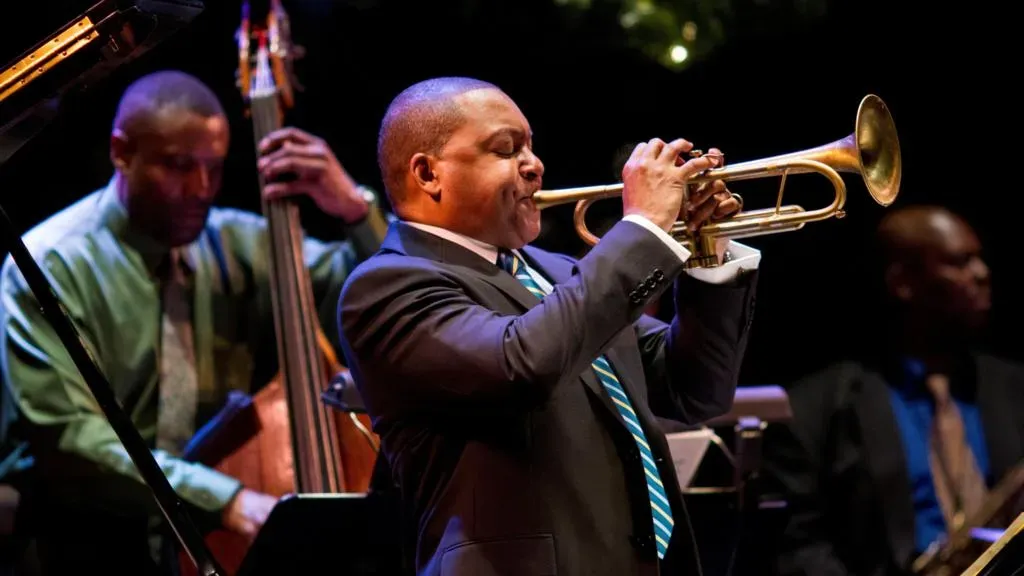
Intellectual rigor remains a priority for Benedetti, who has consistently pushed for the festival to be a place of deep thought, not just passive entertainment. Music serves as the primary vessel for this exploration. The 2026 lineup includes a focused retrospective on jazz as the quintessential American art form, featuring collaborations between Scottish jazz musicians and their peers from New Orleans and Harlem. Benedetti herself may take the stage for a performance of contemporary works that blend folk traditions from both sides of the ocean.
Such artistic choices highlight the fluid nature of cultural boundaries. When the first notes ring out in the Usher Hall, the goal is to make the distance between the Royal Mile and the Potomac River feel much smaller. Logistical hurdles remain significant for an undertaking of this scale. Transporting entire orchestras and theatrical troupes across the Atlantic requires massive financial investment and complex planning.
Funding remains a precarious issue for many arts organizations in the current economic climate. Still, the Edinburgh International Festival remains a flagship event that generates substantial revenue for the Scottish economy. Business leaders in the city hope that the American theme will attract a record number of tourists from the United States, providing a much-needed boost to the local hospitality sector. International collaboration defines the modern arts world.
Beyond the headline performances, the 2026 festival will feature a series of public debates and lectures held in partnership with major American universities.
Culture Is Not Neutral Programming
Nicola Benedetti unveiled American themes for the 2026 Edinburgh Festival. The program points toward transatlantic culture, politics and artistic exchange. The festival faces pressure to balance accessibility with serious artistic argument.
Festival themes shape commissioning, audience expectations and the cultural argument a festival wants to make. A festival theme is never just decoration. Turning toward America in 2026 means engaging with power, fracture, music, myth and export culture at once. Benedetti's challenge is to avoid a polished sampler and build a program that lets contradiction remain visible.