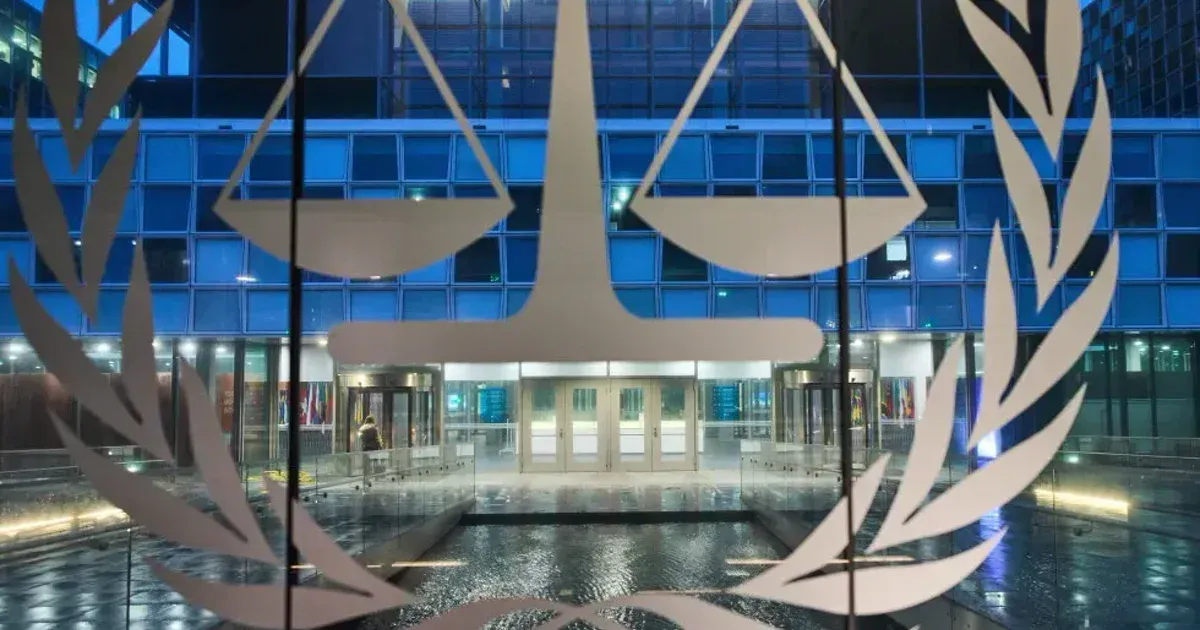
Niger has started the formal process of leaving the International Criminal Court, deepening a political break between Sahel military governments and Western-backed legal institutions.
The move was announced after Niger sent a letter to the United Nations accusing the court of selective justice. On June 23, 2026, the withdrawal placed Niger alongside Mali and Burkina Faso as the third country to begin leaving the court.
The decision matters because the ICC was built to prosecute genocide, crimes against humanity and war crimes when national systems fail. Niger's exit therefore raises a larger question about accountability in a region facing coups, insurgent violence and shifting foreign alliances.
Sahel Governments Challenge the Court
Niger's military authorities argue that the court has been misused and exploited. That language mirrors a broader criticism from governments that see the International Criminal Court as unevenly focused on African states while powerful countries avoid similar exposure.
The ICC and its supporters reject that framing, saying the court exists because victims need a path to justice when domestic systems cannot or will not act. The disagreement is not only legal. It has become part of a geopolitical realignment across the Sahel.
Niger's elected government was overthrown in 2023, after which the junta distanced itself from longtime Western partners and moved closer to Russia. Mali and Burkina Faso have followed similar paths after their own political ruptures.
That makes the ICC withdrawal part of a larger institutional withdrawal. These governments have left or challenged regional security arrangements, questioned European influence and presented sovereignty as the central argument for policy change.
Withdrawal Does Not Erase Jurisdiction Immediately
The process is not instant. Under the Rome Statute, withdrawal generally takes effect one year after formal notice is received. During that period, the court's relationship with the state does not disappear overnight.
The ICC also says withdrawal does not remove jurisdiction over alleged crimes committed while a country was a member. That means the legal consequences may continue even after the political statement has been made.
Rome Statute membership has always depended on cooperation. The court has no global police force, so arrests, evidence collection and witness protection often require help from governments. When a state withdraws, cooperation becomes harder even if jurisdiction remains for earlier periods.
That is why the withdrawal is important beyond symbolism. It can make investigations slower, limit access and signal to officials that domestic political priorities will come before external court demands.
Accountability Gap Widens
The Sahel is facing militant attacks, military operations, displacement and severe pressure on civilians. Those conditions are exactly where international accountability mechanisms are often invoked, but they are also where governments may argue that external scrutiny weakens security operations.
For victims, the danger is an accountability gap. If national courts are weak and the ICC is pushed away, allegations of abuses can become harder to investigate independently.
For Niger's junta, the decision fits a sovereignty narrative. It tells domestic and regional audiences that the government rejects outside judgment from institutions it considers politically biased.
The long-term effect will depend on whether regional governments build credible domestic accountability systems or simply remove one layer of scrutiny. Leaving the ICC may satisfy a political argument, but it does not answer the question of who investigates serious crimes when state power itself is accused. The decision also lands at a moment when international justice is under pressure from several directions. Some governments accuse the court of political selectivity, while human rights groups argue that withdrawals mainly protect officials from scrutiny. Niger sits directly inside that argument because civilian communities in the Sahel have faced attacks from armed groups, military operations and displacement. If the ICC becomes less accessible, the burden shifts to domestic courts that may lack independence, capacity or security. Regional courts and African Union mechanisms could fill part of the gap, but only if governments cooperate. That is why the withdrawal is more than a diplomatic gesture. It changes the practical pathway for victims who may already have limited access to evidence, lawyers and independent investigators. The next year will show whether Niger uses the transition period to propose credible alternatives or simply closes another door to outside review. Niger's decision may also encourage other governments hostile to external scrutiny to test how much political cost comes with leaving. If the price is low, the court could face more withdrawals from states where cooperation is already fragile. If the ICC and member states respond with stronger diplomacy, the withdrawal may remain part of a narrower Sahel realignment rather than a wider institutional trend. The court's credibility now depends partly on whether it can keep member states engaged while showing victims that withdrawals do not erase responsibility. That is the institutional test now. Victims and investigators will be watching that answer closely. The stakes are concrete.