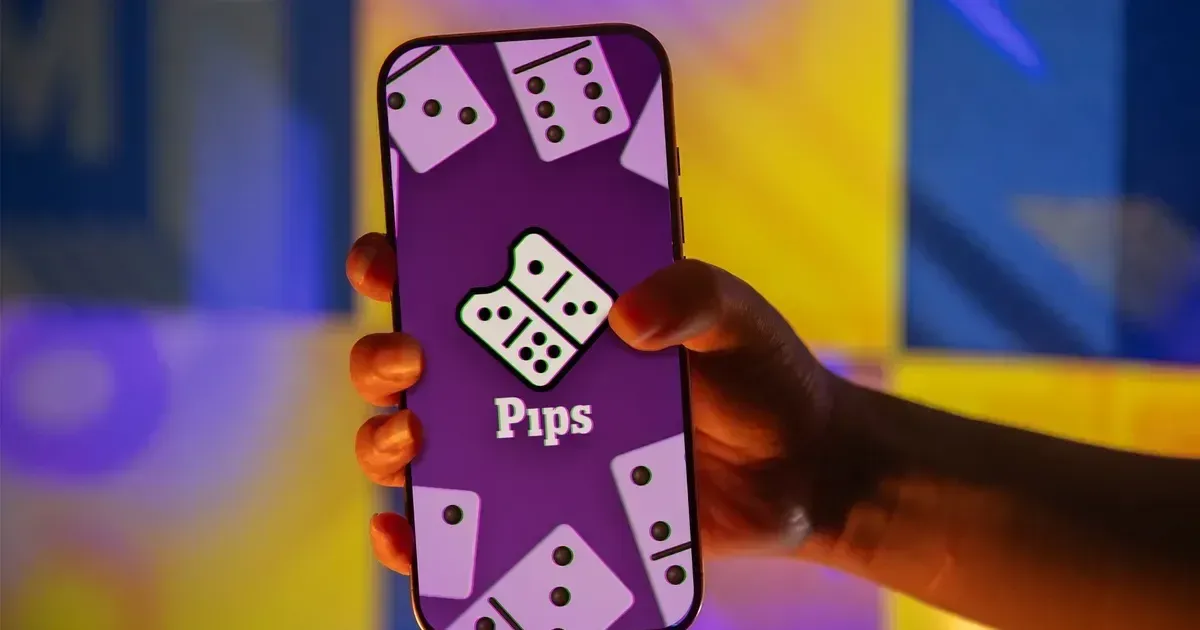
The New York Times games lineup is becoming broader than wordplay. Pips, Mini Crossword and Connections Sports Edition give subscribers different reasons to return to the app even when they are not reading the news. The April 7, 2026, slate highlighted that shift with domino-style logic, sports categories and short mobile puzzles. The product question is now how far a news brand can stretch a daily game habit without making the games feel mechanical.
Pips Domino Logic and Color-Coded Requirements
Pips, which debuted in August 2025, represents the latest evolution in the single-player puzzle category for the publication. Unlike traditional dominoes where players match end-to-end numbers, this game requires participants to satisfy varying mathematical and logical conditions within color-coded grids. Tiles are placed either vertically or horizontally. Specific zones dictate how the numbers, or pips, must interact with their neighbors or the zone itself. Because the game does not offer a hint system that reveals individual moves, players who find themselves unable to progress are often forced to reveal the entire solution and reset their progress at a different difficulty level.
Logic conditions within the game include specific arithmetic totals and relational constraints. In the Number zones, every side of a tile placed within that space must add up to the specified digit. The Equal condition mandates that every domino half situated in the designated area must contain the same number of pips. By contrast, the Not Equal constraint forces players to ensure every domino half has a unique value within that boundary. August 2025 marked the transition of this game from a beta pilot to a permanent fixture in the April 7, 2026, daily rotation. Relational zones also include Less Than or Greater Than requirements where the sum of pips must fall on a specific side of a numerical threshold.
Connections Sports Edition Leverages Athletic Branding
Golf enthusiasts found a tailored challenge in the Connections: Sports Edition puzzle released for April 7, 2026. This version of the popular word-grouping game operates through a collaboration with The Athletic, the sports journalism arm of the Times organization. Players are presented with a grid of 16 words and must identify four distinct categories that link them. While the standard version of Connections covers a broad spectrum of general knowledge, the Sports Edition requires a deeper understanding of specific terminology, player histories, and equipment. Mistakes are costly because players are permitted only four incorrect guesses before the game concludes.
Connections is all about finding the common threads between words.
Categories in the game are organized by difficulty level, represented by a color-coded hierarchy where yellow indicates the most straightforward grouping. Words on the April 7 board included terms specifically familiar to those who follow professional golf tours. Successful players often shuffle the board to disrupt the visual patterns created by the initial layout. Only one correct solution exists for each grid, even when multiple words seem to belong to more than one category. The Athletic provides the underlying data and subject matter expertise to ensure the categories remain accurate to the sporting world.
Mini Crossword Serves the Short-Form Player
Mini Crossword solutions for the Tuesday edition provided a brief but rigorous mental exercise for subscribers seeking a faster alternative to the standard 15-by-15 grid. CNET tracked the solutions for the 5-by-5 layout, which typically features a mix of pop culture references and clever wordplay. This specific format has seen a surge in popularity as mobile users prioritize games that can be completed during short intervals such as a morning commute. The small grid size limits the number of intersecting letters, making each individual clue more critical to the overall solve. Data from the April 7 puzzle showed a reliance on four and five-letter nouns that anchored the horizontal and vertical axes.
Games Keep Extending the Subscription Habit
The expansion works because each format serves a different time window. A Mini Crossword can fill a commute, while Pips asks for more deliberate logic. That range keeps the subscription habit alive. The risk is that the games become the main reason to open the app, leaving the news operation to compete with its own retention engine.