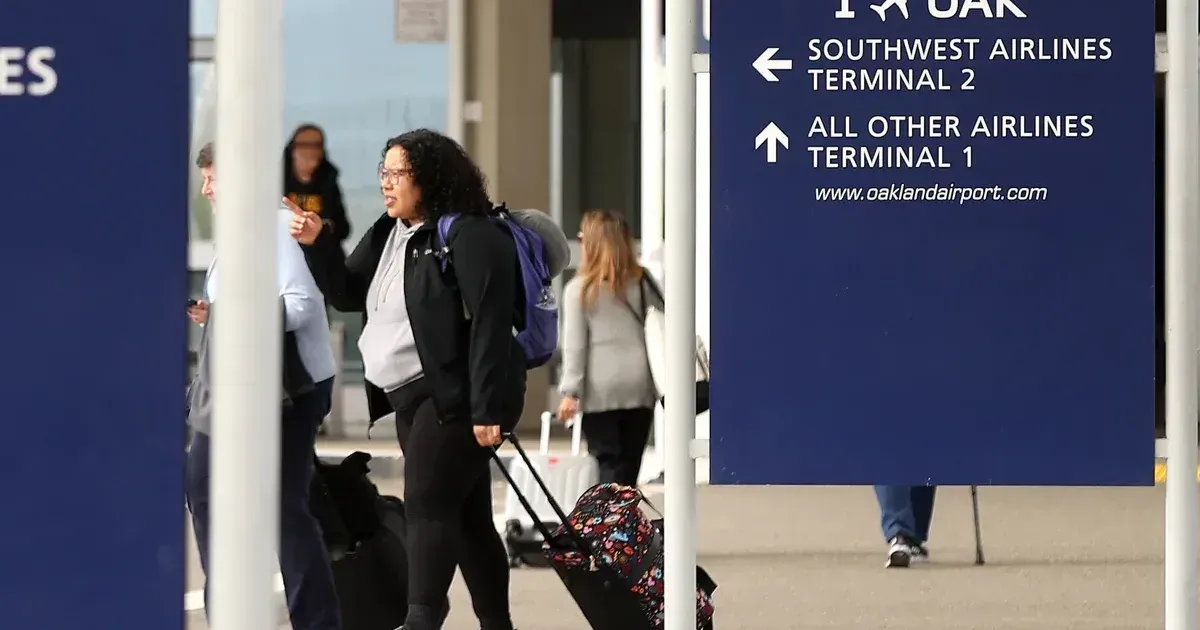
Port of Oakland officials reached a settlement with San Francisco that allows the East Bay airport to keep San Francisco in its name under strict branding limits. Announced on April 28, 2026, the agreement ends a two-year trademark dispute between the neighboring municipalities over the facility formerly known as Oakland International Airport. Oakland can continue referring to the airport as Oakland San Francisco Bay Airport, while the three-letter IATA code remains OAK.
Oakland initially pursued the rebranding to increase awareness of the airport's location within the broader San Francisco Bay Area. Executives at the facility argued that many out-of-state and international travelers were unaware that Oakland provided a viable alternative to the often-congested San Francisco International Airport. OAK sits across the bay from San Francisco and roughly 30 miles by road from SFO. Local leaders maintained that the name change was necessary to protect the economic viability of the East Bay hub and its regional flight connections.
San Francisco city officials filed a federal lawsuit in April 2024, claiming that the earlier name San Francisco Bay Oakland International Airport infringed the San Francisco International Airport trademark. City Attorney David Chiu argued that similar names would confuse travelers and lead to logistical errors for passengers navigating the Bay Area's multi-airport system. San Francisco's legal challenge sought to block Oakland from using that disputed formulation, which San Francisco said implied an affiliation with SFO.
San Francisco Lawsuit and Trademark Claims
Court proceedings forced Oakland to adjust its branding before the settlement was reached. Magistrate Judge Thomas Hixson issued a preliminary injunction in 2024 that prevented the Port from using San Francisco Bay Oakland International Airport, and Oakland later appealed that order to the Ninth Circuit. Port officials then adopted Oakland San Francisco Bay Airport, a formulation that keeps Oakland first and places Bay directly after San Francisco.
Oakland's revised name followed a second renaming step after the initial rollout drew legal pressure. That sequence matters because the settlement does not simply approve every version Oakland tried to use. It preserves the current name while closing the claims over the earlier wording, the counterclaim filed by Oakland, and the appeal connected to the injunction.
Settlement terms allow the current name to remain but bar Oakland from spotlighting San Francisco or San Francisco Bay with special fonts, colors, highlights, or other emphasis. Settlement language also prevents the airport from using International in the official name, even though the facility continues to serve international flights.
Litigation had become an expensive and distracting fight between two public agencies competing for aviation visibility in the same region.
Passenger confusion remains the practical issue behind the legal language. OAK and SFO serve different cities, different airport codes, and different ground-transport patterns, so the settlement tries to keep the regional marketing benefit without letting Oakland appear to be San Francisco International Airport.
Final Agreement for Oakland Airport Branding
The settlement terms are designed to reduce passenger confusion while allowing Oakland to preserve the regional reference it considers commercially important. Under the agreement, Oakland must present the full name in a way that clearly distinguishes OAK from San Francisco International Airport, which uses the SFO code. Travel listings and public-facing materials will need to keep Oakland prominent so passengers understand which airport they are booking or visiting.
Port officials also point to the airport's broader East Bay role as a reason the name fight mattered. OAK serves the region's most populous East Bay communities and connects by road and BART to business, entertainment, and tourism destinations around the bay. Port officials say airport and seaport operations support tens of thousands of regional jobs, making visibility in travel searches a material economic issue rather than a branding preference alone.
Operations at both airports continue normally as the Bay Area enters the busy summer travel season. Final agreement language gives Oakland a clearer path for signage, website updates, airline coordination, and passenger messaging without another round of litigation over the same trademark claims. San Francisco, meanwhile, keeps restrictions that prevent OAK from making the San Francisco portion of the name look dominant. For travelers, the practical message is simpler than the legal fight: OAK remains the East Bay airport, SFO remains San Francisco International Airport, and tickets should still be checked by airport code before departure.