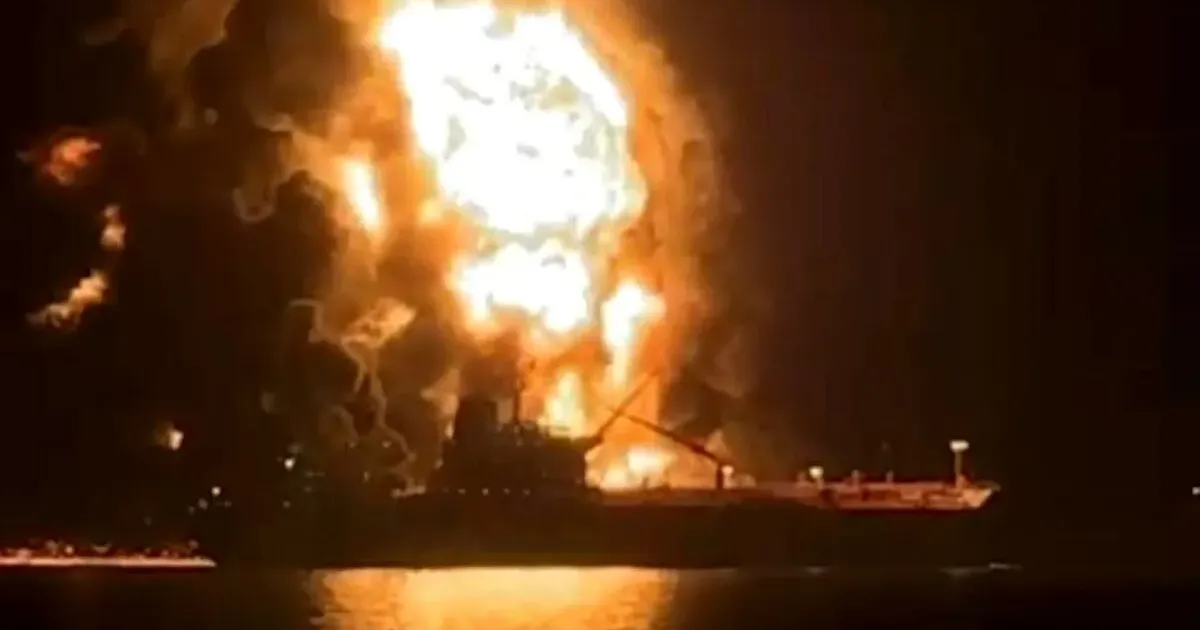
Oil prices moved above $101 a barrel as the Iran conflict turned from a geopolitical shock into a direct test of global energy supply.
Historical Collapse in Global Energy Output
The price shock moved faster than policy makers expected. March 12, 2026, became the day the global energy map fractured. Oil prices surged past $101 per barrel in early trading, a direct consequence of escalating hostilities in the Persian Gulf. International Energy Agency officials confirmed that the ongoing Iran war has triggered the largest supply disruption in history. Such a shock encompasses 7.5% of total petroleum supply, a figure that dwarfs previous energy crises. Global crude output fell to its lowest point in four years. Market participants now brace for a protracted period of volatility. Energy experts at the IEA warned in their latest report that the current turmoil hits more than exports. It strikes at the heart of global refining capacity and logistics. Production has stalled at a time when global inventories were already lean, leaving little room for error. While some analysts initially predicted a manageable shift in supply routes, the sheer scale of the Iranian output loss has overwhelmed those forecasts. Crude output will remain depressed for the foreseeable future as long as the conflict prevents safe passage through the Strait of Hormuz.
Iran dramatically changed its strategy over the last week by targeting critical infrastructure that supports regional distribution. Such actions forced several major refineries to shut down operations indefinitely. IEA members recently agreed to release the largest ever amount of oil from emergency supplies to counter this movement. But the market response was lukewarm at best. Investors realized quickly that emergency reserves cannot replace the daily flow of 7.5% of the world's oil for more than a few months. Prices climbed shortly after the announcement, proving that the move failed to soothe commercial anxieties.
Wall Street Braces for Domestic Economic Erosion
Goldman Sachs economists Manuel Abecasis and David Mericle issued a grim assessment of the American economy today. Their research note suggests that the damage extends far beyond the gas pump. Rising energy costs are eroding consumer purchasing power while geopolitical uncertainty stifles corporate investment across multiple sectors. Goldman Sachs revised its U.S. economic outlook downward, citing a pervasive fear that has permeated the financial sector. Markets are no longer just reacting to supply figures, they are pricing in a systemic loss of regional stability.
Manuel Abecasis noted that the fear goes beyond oil prices themselves. He argues that the psychological impact of a major war in the Middle East disrupts global capital flows and reduces the appetite for risk in every major economy. This economic drag will likely persist even if oil prices stabilize momentarily. David Mericle added that the inflationary pressure from energy will force central banks to maintain higher interest rates for longer than previously expected. Such a scenario creates a double blow for consumers who face both higher fuel costs and more expensive debt.
Financial volatility has spread to unrelated sectors including technology and retail. Many companies are already reporting delays in their supply chains as shipping companies redirect vessels away from the conflict zone. These detours add weeks to transit times and millions of dollars to operating costs. Every major carrier has increased its insurance premiums, further inflating the final price of goods for end consumers. Panic is starting to show in the broader stock indices as the reality of a long-term supply crunch settles in.
Failed Interventions and Strategic Shifts
Washington and its allies have found their traditional toolkits insufficient for the current crisis. The IEA emergency release represents the maximum capacity of many nations to intervene. Still, the underlying production deficit remains. History shows that supply shocks of this magnitude require years of recovery, not weeks of strategic reserve usage. Analysts at Bloomberg suggest that the disruption is now worse than the 1973 embargo in terms of absolute barrels removed from the market. This strategy of relying on reserves is a temporary patch on a massive wound.
Global crude output fell to its lowest level in four years.
Security experts also point to the fact that Iran has moved beyond proxy conflicts to direct maritime disruption. By effectively closing off portions of the Persian Gulf, Tehran has gained a level of leverage over the global economy that few anticipated. Financial Times sources indicate that several tankers remain trapped in port, unable to secure the necessary safety clearances to move their cargo. Insurance companies have essentially blacklisted the region, making it impossible for independent operators to continue business as usual.
Economic models show that every ten-dollar increase in the price of oil can produce a measurable drag on global GDP growth. At prices above $101, the 2026 fiscal-year pressure is already material. Nations in the Eurozone are particularly vulnerable due to their reliance on imported energy. Many European capitals have already begun discussing energy rationing for industrial users to ensure that residential heating remains available through the remainder of the season. Petroleum remains the lifeblood of modern industry, and its sudden scarcity is forcing a brutal reorganization of economic priorities.
With prices hovering above $101, the drag on the 2026 fiscal year will be substantial.
Why $101 Oil Is Only the Warning
The oil shock is not just a market event; it is a bill that will move through freight, food, borrowing costs and household budgets. Governments can release reserves, but they cannot manufacture trust in a shipping lane under fire. That is the hard limit in this crisis. If the conflict keeps removing barrels and confidence at the same time, $101 will look less like a peak than a warning sign.