Oscar Forecasts Lose Their Certainty
Dolby Theatre stagehands are currently adjusting the lighting for a ceremony that defies the usual metrics of Hollywood success. The night marks the climax of a season where the traditional formula for Academy success failed to gain traction. On March 13, 2026, Oscar voters entered the final stretch with fewer reliable signals than usual. Critics and insiders describe the current atmosphere as volatile, largely because the voting body has expanded to include a more international and younger demographic. This shift has left traditional prognosticators struggling to apply historical data to a field that looks nothing like the lineups seen a decade ago.
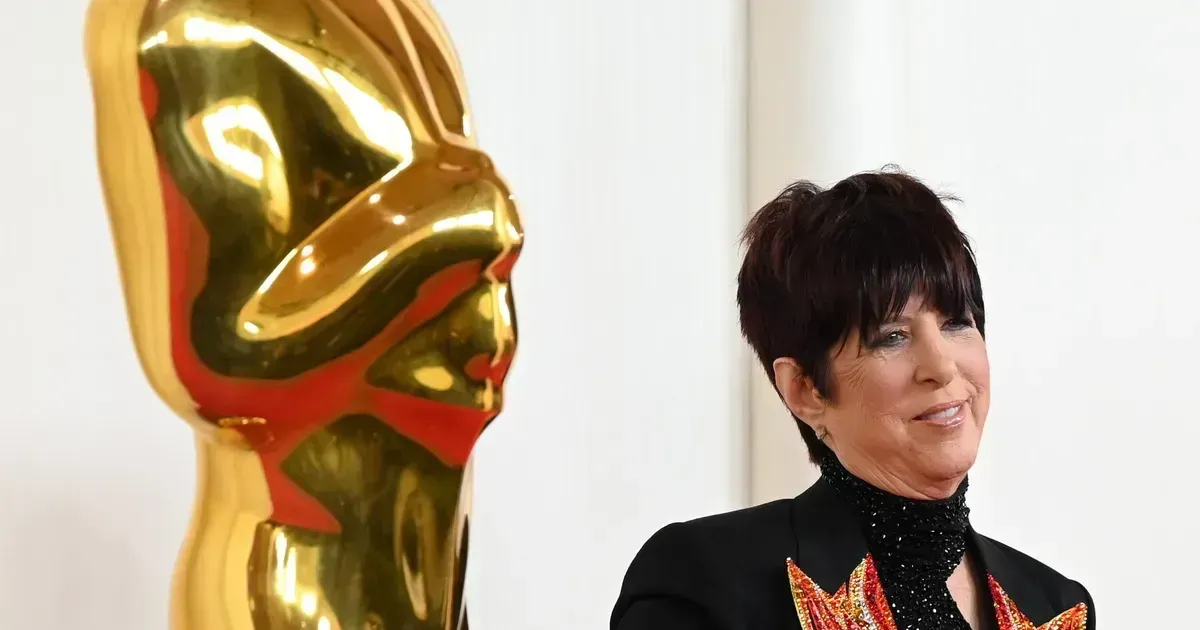
Statistics often lie in the film industry, but they cannot hide the mounting pressure surrounding the Best Original Song category. Diane Warren enters the arena with her 17th nomination, a figure that borders on the surreal for any creative professional. She has spent decades crafting power ballads that anchor major studio releases, yet the gold statuette remains elusive in the competitive categories. Her 16 previous losses have become a recurring narrative within the Academy, leading some to wonder if her honorary Oscar in 2022 was intended as a final consolation rather than a precursor to a competitive win.
Her latest work, featured in a mid-budget drama that surprised audiences in late October, represents her most significant chance to break the losing streak since her contributions to major blockbusters of the late nineties. Every year, the industry attempts to identify a frontrunner, but the 2026 cycle lacks a clear protagonist. Studios have moved away from the expensive, sprawling epics that dominated the previous decade, favoring tighter narratives and bold aesthetic choices. Vogue has categorized this race as the wildest in recent memory, citing the lack of a dominant studio campaign as the primary cause for the uncertainty.
When no single film captures the zeitgeist early, the voting bloc tends to fragment, leading to surprise winners in the technical and acting categories. Behind the scenes, the struggle for relevance continues for the Academy of Motion Picture Arts and Sciences. Television ratings for the broadcast have fluctuated over the last five years, forcing producers to experiment with the format and the pacing of the show. Many viewers now consume highlights through social media clips, a reality that complicates the Academy's relationship with traditional advertisers.
Warren's Long Wait Defines the Race
Such a dynamic creates a paradox where the ceremony must be both a prestigious honors event and a viral entertainment product. Acting races this year present a clash between legacy stars and digital-native performers who built their followings outside the traditional studio system. Analysts at major trade publications observe that the Best Actor category features three first-time nominees, all of whom appeared in independent films that grossed less than $20 million. The presence of these newcomers suggests that the voting body is prioritizing raw performance over career longevity or box office clout.
Excellence no longer requires a blockbuster budget. International features have carved out a permanent space in the primary categories, moving beyond the silo of the Best International Feature Film award. Several Korean and French productions are currently vying for top honors in directing and screenplay, signaling a permanent change in how American voters perceive global cinema. These films do not just compete on artistic merit; they also benefit from a sophisticated global distribution network that makes them accessible to every Academy member with a tablet or a laptop.
Voting mechanics play a larger role in the 2026 outcome than the general public realizes. The preferential ballot for Best Picture favors films that are widely liked over those that are intensely loved by a small faction. This development has divided the Academy membership, with older voters clinging to the sanctity of the cinema and younger members prioritizing accessibility and narrative quality. A film that lands at the number two or three spot on every ballot is often more likely to win than a polarizing masterpiece that appears first on half the ballots and last on the rest.
Revenue figures for the nominees this year show a curious trend. Five of the ten Best Picture contenders debuted on streaming platforms without a significant theatrical window. The economics of movie stardom are changing, as performers realize that a high-profile streaming release can generate more industry capital than a limited theatrical run that fails to find an audience. This reality has changed the way agents and managers approach the awards season, focusing on digital impressions rather than just billboard space in Los Angeles.
Streaming Changes Awards Campaigns
Diane Warren maintains that the work itself serves as the ultimate reward, regardless of the outcome on Sunday night. Interviews with her peers reveal a mixture of awe and bewilderment at her stamina in a business known for disposability. Her consistency remains a statistical outlier in a year defined by its lack of predictability.
Whether the Academy finally chooses to recognize her lifetime of contributions with a competitive award remains the central human drama of the night. The uncertainty makes campaigning more expensive because studios cannot simply protect an obvious favorite. They have to keep multiple narratives alive across guild voters, international members and social platforms. That environment helps nominees with durable personal stories. Warren's losing streak is not just trivia; it gives voters a human frame in a year when the broader field feels scattered.