The Oscars are leaning on Marvel names because the broadcast’s attention problem can no longer be solved by prestige alone. The casting move was reported on March 12, 2026, as producers searched for a wider audience without losing the show's awards identity.
Star Power Becomes a Ratings Tool
Hollywood power brokers are preparing for a ceremony that many industry insiders view as a desperate plea for cultural relevance. Preparations for the upcoming Academy Awards suggest a heavy reliance on the past to secure a future for the broadcast. Variety reports that the creative team behind the show plans to showcase a massive Marvel reunion, bringing together the stars of the world's most successful franchise to inject energy into a telecast that has struggled with declining viewership for years. Such a move indicates a retreat into the safety of intellectual property at a time when original storytelling faces an uphill battle for attention. Producers confirmed that the Marvel ensemble will join an already announced reunion of the Bridesmaids cast. Kristen Wiig, Maya Rudolph, Melissa McCarthy, and Rose Byrne are set to take the stage together once more, aiming to capture the lightning in a bottle that made their 2011 comedy a global phenomenon. These reunions represent a calculated effort by the Academy to pull in diverse demographics, from comic book enthusiasts to fans of modern comedy classics. But the question remains whether nostalgia can act as a permanent bridge to an audience that has largely migrated to streaming platforms and short-form social media content. Variety notes that the creative team intends to highlight specific upcoming releases during the broadcast, including Ryan Coogler's Sinners and the genre-bending KPop Demon Hunters.
The Broadcast Still Needs Stakes
While these films promise a fresh take on supernatural tropes, their inclusion in the ceremony feels like a marketing exercise designed to satisfy studio partners. The push to promote Sinners comes at a time when the film industry is betting heavily on the resurgence of vampire-themed narratives. Still, the overlap between promotional interests and the celebration of artistic achievement continues to blur the lines of the Academy's primary mission. Jimmy Kimmel, set to host the festivities, has already begun sharpening his knives for the monologue.
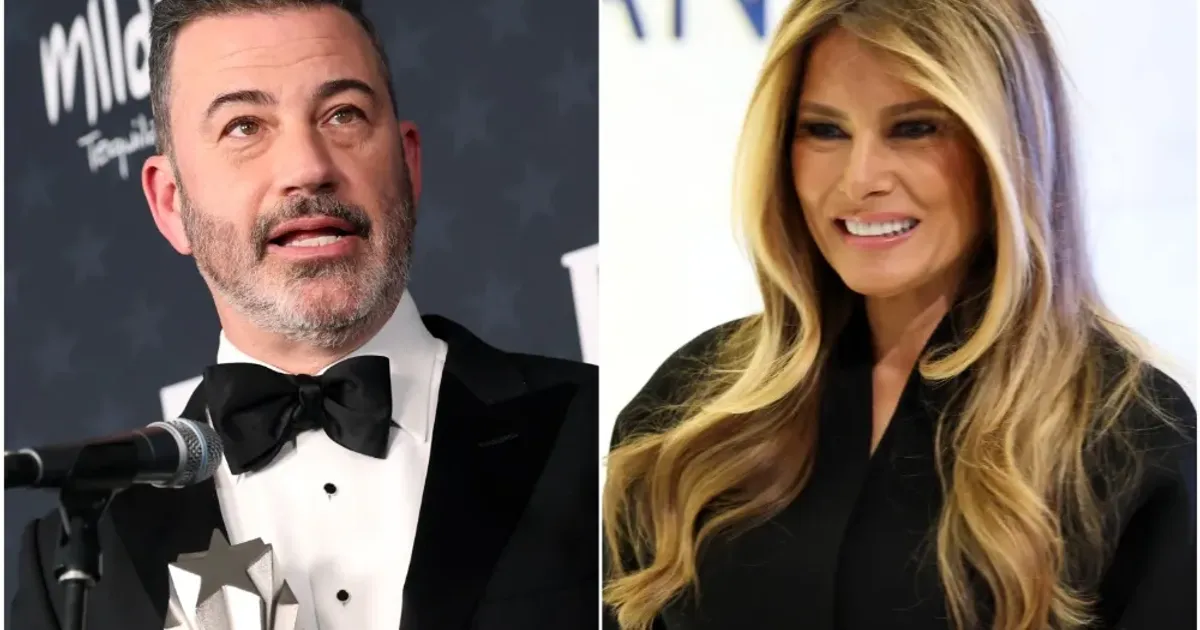
His focus shifted recently to a surprising target: the new documentary titled Melania. Directed by Brett Ratner, the film has faced a wave of critical derision since it began streaming on Amazon Prime Video. Kimmel informed his late-night viewers on March 10 that he finally sat through the production, describing the experience as a grueling test of patience. The comedian compared the slow-moving documentary to the vampire films currently dominating the zeitgeist, though he noted that Melania lacked the bite found in Ryan Coogler's latest work.
Ratner's involvement in the documentary marks a significant and controversial return to the director's chair.
Superhero Fame Has Limits
Having been sidelined by numerous allegations during the 2017 industry reckoning, Ratner's re-emergence through a political documentary has raised eyebrows across the industry. Amazon's decision to distribute the film suggests a willingness to overlook past scandals in favor of high-profile political content. Yet the film's reception has been overwhelmingly negative, with Kimmel leading the charge by calling the work dreadfully dull and devoid of genuine insight into its subject. Critics point out that the documentary fails to provide the investigative depth expected of such a high-profile figure.
Kimmel's monologue highlighted several moments where the film seemed to lean into sanitized hagiography rather than objective reporting. This strategy suggests the production team was more interested in image rehabilitation than cinematic excellence. The late-night host joked that the most exciting part of the film was the credits because they signaled the end of the ordeal. Such public mocking by the Oscar host sets a biting tone for a ceremony that usually attempts to maintain a veneer of prestige.
Reunions have become the currency of choice for an industry that is increasingly risk-averse.
Borrowed Fandom Is Not a Cure
Why are we still pretending that the Oscars are about the best in cinema when the producers are clearly running a high-end infomercial for Disney and Amazon? The invitation of the Marvel cast is not an honor, it is a desperate insurance policy. We are watching a prestige institution transform into a theme park promotional event because the Academy is terrified of a world where nobody cares about a gold-plated statue. If the only way to get people to watch a celebration of film is to show them people they already saw in twenty other movies, then the celebration itself has lost its meaning.
The inclusion of the Bridesmaids cast and the Marvel alumni is a crutch for a creative class that has forgotten how to build new icons. Still, the industry's willingness to quietly reintegrate figures like Brett Ratner via the back door of political documentaries exposes the hollow nature of its supposed moral awakening. Such a ceremony will be a loud, expensive distraction from the fact that Hollywood is currently out of ideas and out of time. We should stop asking who will win and start asking why we are still watching a show that treats its audience like mindless consumers of nostalgia.