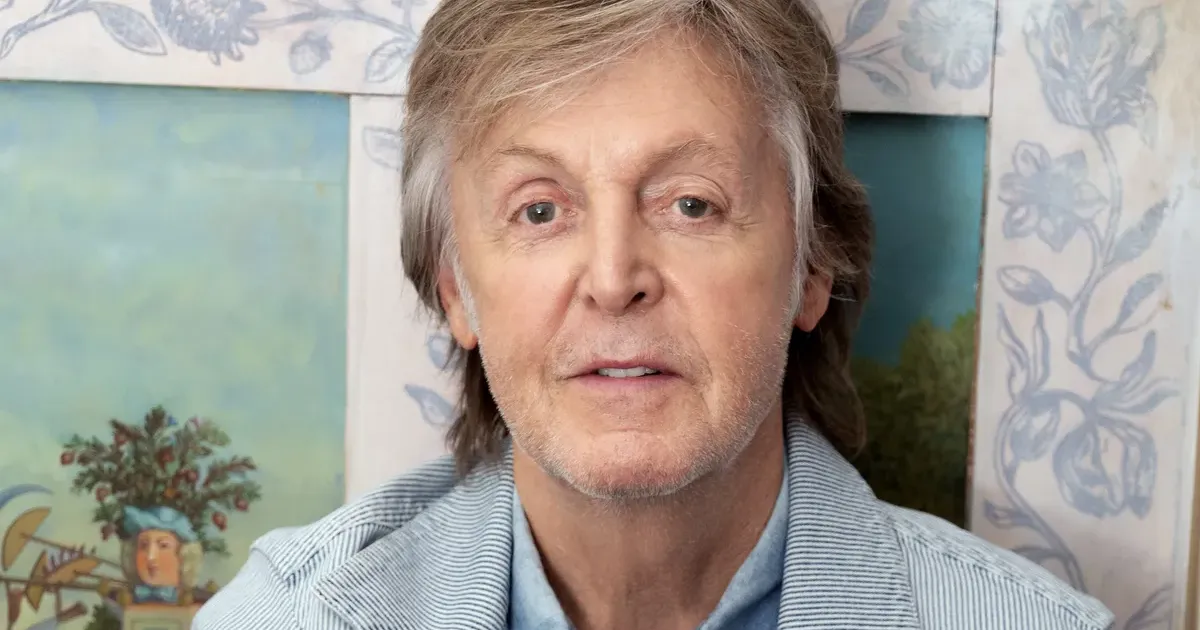
Paul McCartney confirmed on March 26, 2026, that his 18th solo studio effort, The Boys of Dungeon Lane, will launch in May. Early reports from his production camp describe the collection as a deeply personal exploration of his formative years in Liverpool. Lead single Days We Left Behind arrived on streaming platforms earlier this morning, ending a five-year hiatus from new full-length material. Fans and industry analysts had speculated about the project for months, citing frequent sightings of the musician at recording studios in London and Los Angeles.
Recording sessions for the new album involved a heavy collaboration with producer Andrew Watt, who previously helped revitalize the late-career sounds of the Rolling Stones and Iggy Pop. This partnership suggests a pivot toward a more aggressive, guitar-driven sound while maintaining the melodic sensibilities that defined McCartney’s work with the Beatles and Wings. Music critics who received early previews note that the 14-track record balances high-energy rock with quiet, acoustic balladry. Studio insiders claim the process was unusually fast, driven by a surge of creative energy during the winter of 2025.
Andrew Watt Produces The Boys of Dungeon Lane
Andrew Watt has become the primary architect for rock legends looking to sharpen their contemporary edge. His involvement with McCartney began quietly in 2023, though the extent of their work only became clear with today’s announcement. Industry observers compare this pairing to McCartney’s previous work with Nigel Godrich, which resulted in the critically acclaimed Chaos and Creation in the Backyard. But Watt brings a different aesthetic, often favoring raw, live-take vocals and vintage instrumentation that avoids the polished sheen of modern pop production.
For instance, the instrumentation on Days We Left Behind features a specific 1960s Epiphone Casino guitar, the same model McCartney used during his mid-career peak. Sound engineers report that the album avoids heavy digital correction, opting instead for the imperfections of a live room. In fact, several tracks were reportedly captured in just one or two takes to preserve the spontaneity of the performances. Watt reportedly encouraged McCartney to lean into the raspier textures of his 83-year-old voice, treating the age of the performer as a sonic asset rather than a limitation.
Liverpool Memories Shape New McCartney Single
Liverpool is the central geographic and emotional anchor for the upcoming release. The album title specifically references a route McCartney traveled between his childhood home and the Speke shoreline. This path is a period of his life before the global hysteria of the 1960s took hold. The lyrics in the new single touch upon local landmarks and the simple sensory details of post-war England. According to the official press release, the album is a:
“collection of rare and revealing glimpses into memories never-before shared, along with some newly inspired love songs”
In particular, the tracks explore his complicated yet enduring relationship with John Lennon. While McCartney has discussed his former bandmate in countless interviews, the new lyrics allegedly offer a more vulnerable perspective on their shared youth. These songs do not merely retell famous anecdotes but focus on the quiet moments of friendship that preceded their professional success. Some tracks are said to be direct responses to letters or conversations that have remained private for decades.
At the same time, the album is a tribute to his current life and his marriage to Nancy Shevell. Love songs on the record are described as understated and intimate, lacking the grand orchestration found on his earlier solo hits. These compositions rely on simple piano arrangements and melody-driven storytelling. McCartney has spent the last five years refining these specific pieces, ensuring they feel distinct from his enormous back catalog. McCartney's legacy is often contextualized alongside the broader history of the 1960s American folk-rock movement.
Sonic Range of The Boys of Dungeon Lane
Musical styles on the record reportedly span the entire breadth of his sixty-year career. Listeners can expect the stadium-ready power of Wings, the experimental textures of his Fireman side project, and the hallmark harmonies of the Beatles. One track is rumored to feature a heavy, psychedelic groove reminiscent of the Revolver era. By contrast, other segments of the album are entirely solo, with McCartney playing every instrument in the style of his self-titled 1970 and 1980 releases. The music industry's trend toward revisiting past hits mirrors the current landscape of nostalgic movie reboots.
Dungeon Lane is a return to the multi-instrumentalist approach he periodically adopts. In turn, this creates a sense of insulation and personal focus that larger group recordings often lack. The choice to include character-driven songs suggests a story depth similar to Eleanor Rigby or Penny Lane. These songs populate the album with figures from his past, some real and some fictionalized, creating a vivid portrait of a lost era. Many of these characters are inhabitants of the Speke district where he spent his earliest years.
That said, the album is not strictly a work of historical fiction or nostalgia. It incorporates modern rhythmic elements that prevent it from feeling like a mere period piece. The production choices by Watt ensure the drums are punchy and the bass frequencies are senior. This sonic profile aligns the album with contemporary rock trends while respecting the heritage of the artist. The track list remains under wraps, though several titles have leaked through trademark filings in the United Kingdom.
Career Longevity and Solo Discography Analysis
Setting that aside, the release of a 18th solo album places McCartney in a rare tier of active musicians. Most of his peers from the 1960s have either retired or moved exclusively into the legacy touring circuit. McCartney continues to release new compositions at a pace that rivals artists half his age. His last major release, McCartney III, debuted at number one in several territories, proving that his commercial viability remains intact. For one, the vinyl pre-orders for the new album are expected to break several records for an artist in his age bracket.
For that reason, the marketing strategy for the new record focuses heavily on the story of the artist as a living archive of popular music history. The rollout will include a series of short films directed by Mary McCartney, focusing on the locations mentioned in the lyrics. These visual components aim to bridge the gap between his Liverpool roots and his current global status. And yet, the core of the project remains the music itself. The single has already begun appearing on major radio playlists across the United States and the United Kingdom.
The album reaches the public in May.
Records show this is his first release under a new distribution deal designed to focus on physical media. Collectors are already tracking the various color variants of the vinyl release. McCartney remains the primary owner of his master recordings, a status he fought decades to achieve.
The Elite Tribune Perspective
Why do we allow elderly icons to rewrite their own mythology through the haze of nostalgia? The announcement of Paul McCartney’s latest project suggests a man obsessed with his own genesis, a common trait among legends who realize the end of the road is closer than the beginning. While the music industry will undoubtedly celebrate this as a triumph of longevity, there is something naturally cynical about mining childhood memories for the eighteenth time. McCartney has built a career on the tension between avant-garde curiosity and saccharine sentimentality, but lately, the sentimentality is winning.
Relying on the Speke shoreline and Lennon-references feels less like an artistic revelation and more like a safe retreat into the familiar. We are conditioned to treat every late-stage output from a Beatle as a gift, yet we must ask if these records contribute anything new to the cultural canon or simply serve as expensive souvenirs for a dying generation of fans. If the lead single is as McCartney-esque as critics claim, then it is by definition predictable. True art should challenge the audience, not wrap them in a warm blanket of Liverpool rain and 1950s reminiscence.
We do not need another love letter to the past; we need an artist of his stature to confront the terrifying present. McCartney’s refusal to stop is admirable, but his refusal to move on is exhausting.