Bankruptcy Tests a Viral Restaurant Brand
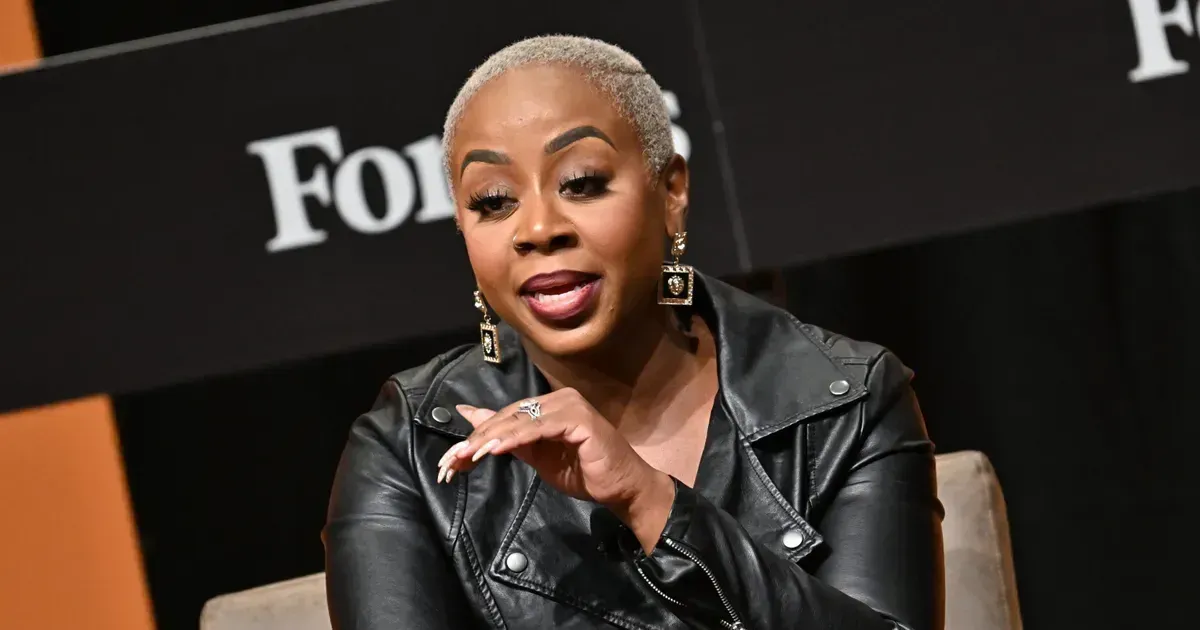
Aisha Pinky Cole stood before a federal bankruptcy trustee on Thursday to explain how a 100 million dollar vegan empire dissolved into personal insolvency. Cole, the 38-year-old founder of the Slutty Vegan fast-food chain, recently joined the cast of The Real Housewives of Atlanta, yet her financial reality bears little resemblance to the glitz of reality television.
Testifying under oath during a meeting of creditors, she admitted that business debt drove her to seek personal bankruptcy protection last month. On March 12, 2026, the creditor meeting put those personal guarantees at the center of the bankruptcy record. The entrepreneur confirmed she personally guaranteed a significant portion of the company liabilities, leaving her vulnerable when lenders demanded repayment. Creditors were coming after me, Cole stated during the proceedings, explaining the move as a necessity to shield herself from aggressive collection efforts.
Success arrived quickly for Slutty Vegan after its 2018 launch in a shared Atlanta kitchen. The brand gained national attention for plant-based burgers with provocative names and long lines of customers stretching around city blocks. Rapid expansion followed, leading to more than a dozen brick-and-mortar locations across the country.
While several outposts remain operational, the financial foundation supporting this growth appears to have crumbled. Investigative findings indicate the business faced mounting struggles over the last two years despite its high-profile status in the vegan dining sector. Personal guarantees do not care about social media following. Federal bankruptcy trustee questions revealed a startling lack of liquid assets. When asked about her current bank accounts, Cole replied that she personally had none. She informed the court that she closed her primary personal account the day after retaining legal counsel, an account that allegedly held only six dollars at the time of closure. Such a low balance for the leader of a brand once valued at nine figures suggests a severe liquidity crisis that predates the formal filing. Cole clarified that while she lacks personal income in the traditional sense, she continues to manage multiple rental properties that provide some cash flow.
Tax Questions Add Pressure
Internal Revenue Service officials have taken a keen interest in the proceedings. An agency representative questioned Cole regarding three years of missing tax returns, a detail that adds a layer of legal complexity to the bankruptcy.
Failing to file federal returns for multiple years can lead to significant penalties and complicate the discharge of debts in a Chapter 7 or Chapter 11 filing. Cole and her legal team must now reconcile these missing records with the court to proceed with the restructuring or liquidation process. This filing casts cold light on the internal accounting practices of high-growth startups that prioritize brand awareness over fiscal compliance.
Corporate records show Slutty Vegan secured millions in venture capital during the height of the plant-based meat craze. Bloomberg reported in 2022 that the company reached a valuation of 100 million dollars after a successful funding round. But the cost of maintaining expansive physical footprints in premium urban markets proved unsustainable as consumer spending habits shifted in 2025 and early 2026. Inflationary pressures on ingredients and labor costs squeezed margins to the breaking point. Many industry analysts now view the aggressive expansion of Slutty Vegan as a move that ignored the underlying volatility of the fast-casual market. Revenue is vanity, profit is sanity, and cash is reality.
Fast-Casual Debt Comes Due
Slutty Vegan is not the only brand facing a reckoning this month. Across the fast-food sector, major franchisees are buckling under the pressure of high interest rates and declining foot traffic.
Popeyes, the fried chicken giant owned by Restaurant Brands International, has seen a wave of closures linked to the bankruptcy of a major franchisee group. Reports from Inc. confirm that dozens of locations have shut their doors permanently as the operator struggles to restructure its debt.
These closures happen even as Popeyes corporate leadership attempts to frame 2026 as a year of brand revitalization. Franchisee failures often stem from the same issues plaguing Cole. High-cost financing used to acquire or build new locations becomes a trap when sales do not meet optimistic projections. Debt service payments eventually consume all available capital, leaving no room for maintenance, marketing, or payroll. Still, the impact on the parent brand is often delayed, creating a false sense of security for corporate offices while the individual restaurant units bleed cash. The situation with Popeyes demonstrates that even established legacy brands are not immune to the failures of their largest partners. Market analysts suggest the restaurant industry is currently purging businesses that grew too fast during the era of cheap money. Banks that once eagerly extended credit lines to celebrity-backed concepts have tightened their lending standards sharply. Now, founders like Cole find themselves in a precarious position where their personal wealth is inextricably tied to the survival of their companies. The transition from a shared kitchen to a national chain requires a level of institutional discipline that many founders struggle to implement during the initial hype cycle.