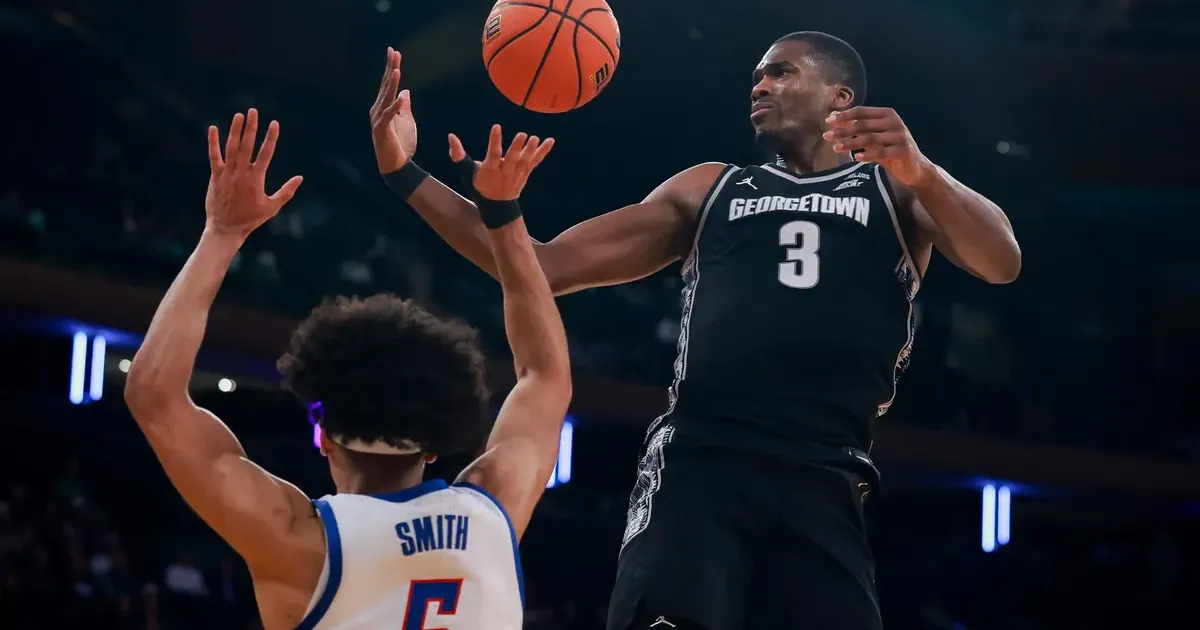
Power conferences are tightening the 2026 tournament race, leaving smaller programs with less room to turn strong seasons into national opportunities. The pattern was clear by March 12, 2026, as selection debates focused heavily on strength of schedule, revenue-conference depth and the quality of losses. That logic can reward teams tested by elite opponents. It can also make the field feel closed before smaller programs get a fair hearing.
Power conferences are narrowing the 2026 tournament field, increasing the pressure on smaller programs trying to turn strong seasons into national opportunities.
Selection Math Favors Power
Power-conference teams often have more chances to collect high-value wins because their schedules include more ranked opponents and nationally visible games. That creates a feedback loop. Better exposure produces stronger perception, stronger perception improves selection arguments and selection success reinforces conference power. The phrase power-conference advantage is not only about talent. It is about opportunity, data context and the way committees compare unequal schedules.
Small-Conference Pressure
Smaller programs often have less margin for error. One bad loss can damage a resume more than several losses hurt a power-conference team that plays a tougher schedule. Automatic bids remain the cleanest path, but that turns conference tournaments into high-stakes traps. A dominant regular season can be reduced to one bad night. That structure can be thrilling, but it also draws scrutiny about whether the national field is rewarding excellence or protecting the largest leagues.
Access Drives the Stakes
Tournament access is not symbolic. It affects recruiting, donor interest, coaching careers, media revenue and the ability of a program to become more than a local story. If the field tilts too heavily toward power conferences, college basketball risks losing some of the unpredictability that makes March valuable. The sport needs elite teams. It also needs believable paths for outsiders, because the possibility of disruption is part of the product.
What the Field Should Prove
The fairest field will balance schedule difficulty with actual achievement. A power-conference loss should not always be more persuasive than a smaller program's consistency. Committees will continue to say they judge full resumes. The controversy is over which resumes get treated as complex and which get dismissed as thin.
The 2026 field will show whether college basketball still trusts its outsiders or simply invites them when they remove all doubt. The separation at the top also changes how bubble teams are judged. If the committee believes a small group has clearly pulled away, the remaining field can become a battle over who has the least flawed resume rather than who looks like a true contender.
That is where power conferences gain an advantage. Their teams often accumulate more high-profile wins and more forgivable losses because the schedule supplies repeated chances to impress. Smaller programs may have cleaner records but fewer opportunities to change perception. The selection process then becomes a test of consistency. A committee that says it values quality wins must also explain how it values dominance against weaker schedules. Without that balance, the field can appear to reward brand familiarity more than performance.
Coaches know the incentive structure. They schedule neutral-site games, protect rankings and try to avoid bad losses because the committee's language shapes program behavior long before March. The bracket is influenced by choices made months earlier. For fans, the elite-four separation can create clarity and frustration at the same time. Clear favorites make the tournament easier to frame, but they can also make the middle of the field feel compressed and interchangeable.
The real test comes in matchups. A team outside the top tier can still have the specific tools to cause trouble: guards who handle pressure, enough shooting to erase size gaps, or defensive schemes that force a favorite into uncomfortable possessions. That is why the committee should avoid turning the top tier into destiny. Separation matters, but tournament basketball remains vulnerable to variance, foul trouble and one player changing the shape of a game.
The bracket will be strongest if it recognizes the elite group without flattening everyone else. March needs credible favorites, but it also needs a field seeded with enough care that challengers have earned their routes. There is also a money story behind the selection debate. Power-conference programs often have better travel budgets, stronger nonconference scheduling options and more television exposure, all of which can influence how resumes are built and perceived.
Smaller programs may need near-perfect seasons because they get fewer chances to absorb losses. That can make the field feel less open even when selection rules claim to reward performance wherever it happens. The debate around power conferences is therefore about access as much as seeding. A tournament can be national in name while still filtering opportunity through money, exposure and schedule architecture.
The committee's explanations will matter. If it can show a coherent standard across conferences, controversy may stay manageable. If the logic shifts from team to team, the bracket will look less like evaluation and more like protection of the familiar.