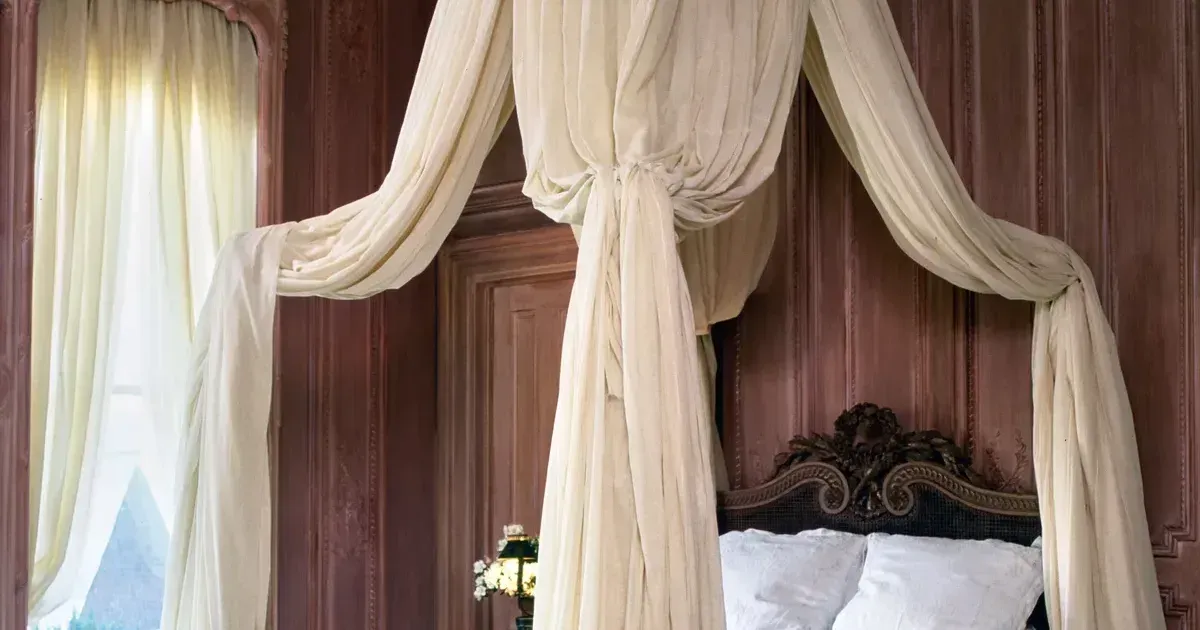
The luxury channel shift was already visible before the latest retail moves. March 12, 2026, marks an era where a ten thousand dollar mattress and a twenty dollar bottle of shampoo share the same digital real estate. High-end lifestyle journalism, once the gatekeeper of the unattainable, now functions as a concierge for the ultra-efficient. Readers no longer seek the mystery of a hidden boutique. They demand curated lists that bridge the gap between architectural opulence and the convenience of a Prime delivery. Editors at major publications have responded by blending high-concept luxury with accessible retail, creating a hybrid shopping experience that prioritizes speed alongside status.
Curation has become the primary currency of the modern household. One day a consumer researches the intricate layers of a multi-thousand dollar mattress, and the next, they rely on a style magazine to select a fragrance from a mass-market giant. This approach reflects a total collapse of the traditional retail hierarchy. This report examines recent trend reports from GQ and Architectural Digest to understand how this synthesis of luxury and utility defines the 2026 aesthetic.
Scalp Health Becomes the New Skincare Frontier
Dermatologists and stylists have shifted their focus upward this year, moving past traditional skincare to prioritize the scalp. GQ recently identified 15 professional-grade shampoos specifically designed to combat dryness, a move that highlights the medicalization of beauty. Professionals argue that scalp health is the foundation of hair quality, yet many consumers ignored this for decades. Ingredients like salicylic acid and zinc pyrithione, once relegated to clinical-looking bottles, now appear in high-design packaging that sits comfortably on marble shower ledges.
Dryness is no longer seen as a seasonal nuisance but as a systemic failure of the grooming routine. Consumers are instructed to lather away the flakes using products that cost four times the price of drugstore alternatives. The market for these specialized cleansers grew sharply as people sought professional results without visiting a salon. Scalp care is now a performance-based category where the efficacy of the formula outweighs the brand name. Lathering becomes a ritual of self-preservation in an increasingly polluted urban environment.
Convenience killed the boutique star.
Fragrance Strategies Shift to Algorithmic Discovery
Amazon has cemented its status as a premier destination for fragrance, a development that seemed impossible a decade ago. GQ highlighted 14 essential cologne brands available on the platform, emphasizing that accessibility is now a luxury in itself. A few clicks and a couple of days wait replace the traditional visit to a department store perfume counter. High-end houses have recognized that the modern man values his time more than the physical experience of a scent strip. Digital platforms provide detailed notes on top, heart, and base layers, allowing for a clinical selection process that bypasses the sensory overwhelm of a physical store.
Direct shipping and easy returns have removed the risk from high-priced fragrance purchases. Buyers often start with smaller bottles or discovery sets before committing to a signature scent. This obsession with data-driven shopping means consumers trust professional reviews more than their own noses. Brand loyalty is fragile in this environment. If a cologne is not available for immediate delivery, the shopper simply moves to the next vetted option on the list. The fragrance industry had to adapt to this ruthless efficiency or face irrelevance in the digital age.
Engineering the Perfect Night of Opulent Sleep
Architectural Digest recently vetted nine luxury mattresses that redefine the concept of rest, focusing on materials like organic wool, horsehair, and precision-tuned coils. These beds are no longer treated as ordinary furniture. They are complex machines designed for recovery. Five-figure price tags are increasingly common for sleepers who view rest as a competitive advantage. The engineering involved in a premium mattress today mirrors that of a luxury vehicle, featuring zoned support and temperature-regulating textiles. But the cost of entry for this level of comfort is rising faster than general inflation.
Sleep is no longer a biological necessity but a performance metric.
Opulence in 2026 is defined by the absence of discomfort. While a bottle of cologne or shampoo might offer a temporary sensory boost, the mattress is a long-term investment in biological maintenance. AD's selections emphasize that the scene for a perfect night is set long before the lights go out. Hand-tufted finishes and sustainable sourcing have become standard requirements for the elite consumer. Still, the gap between these hand-crafted masterpieces and the mass-market options continues to widen, creating a bifurcated market where you either sleep on an engineering marvel or a compromise.
Retailers are now forced to manage the friction between high-touch luxury and low-touch delivery. A luxury mattress requires white-glove installation, whereas a premium shampoo arrives in a padded envelope. Both are curated through the same editorial lens, suggesting that the modern identity is a patchwork of disparate price points. Consumers are comfortable mixing high and low as long as the quality is vetted by a trusted third party. This shift has forced brands to reconsider their distribution models. Even the most exclusive perfume houses now feel the pressure to offer their wares on major digital marketplaces to capture the attention of the busy professional.
The era of the generalist is over. Shoppers want specialists who can sort through the thousands of options available at any moment. Whether it is the specific pH balance of a scalp treatment or the coil count of a king-sized bed, details matter more than they ever have. Information density is the hallmark of the 2026 consumer experience. Yet, the question remains whether this abundance of choice actually leads to better living or just more expensive closets. The line between a necessary upgrade and an editorial whim is thinner than ever before.
Luxury Channel Shift
The harder truth is that exclusivity now has to compete with convenience. A brand can still sell aura, but it cannot pretend the customer has endless patience for hidden inventory and boutique ritual. The winners will be the houses that protect craft without treating digital access as contamination.