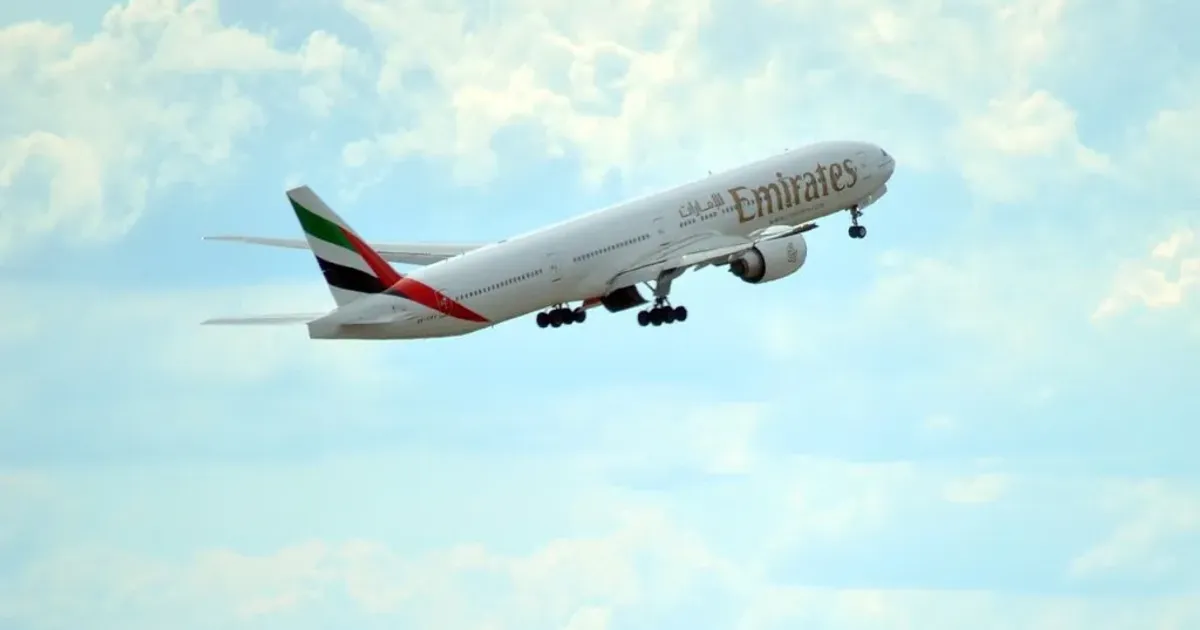
Qatar flight cancellations left American travelers stranded in Doha, turning a major transit hub into a waiting room for passengers caught between regional security alerts and limited rebooking options. Hamad International Airport is built for smooth connections, but disruption can build quickly when long-haul schedules are interrupted. By April 21, 2026, travelers described missed onward flights, hotel uncertainty and long lines at service desks. The cancellations appear tied to broader pressure on Gulf aviation. Airlines must adjust routes when military activity, airspace warnings or insurance concerns make normal flight paths harder to use. Even a short closure or rerouting order can create a chain reaction across Asia, Europe and North America.
Transit Hubs Have Little Margin
Doha works because passengers move through it in waves. Aircraft arrive, connect and depart on tight schedules. When one wave breaks, crews, gates, baggage handlers and customer-service teams all have to absorb the delay at once. That is why stranded travelers can face hours of uncertainty even if the airline eventually finds seats. Hamad International Airport has experience managing high volume, but passenger frustration rises when information is thin. People need to know whether they should stay near the gate, seek a hotel voucher, retrieve bags or call employers and families with a new arrival time.
US Travelers Face Rebooking Limits
Americans stranded in Doha may have fewer easy alternatives than regional passengers. Long-haul capacity to the United States is limited, and seats on partner airlines can disappear quickly during mass disruption. Families traveling together face an even harder problem because splitting across flights may be the only fast option. Travel insurance and credit-card protections may help some passengers, but coverage often depends on the reason for cancellation. Weather, security, airline operations and government restrictions can be treated differently. That forces travelers to collect written explanations before leaving the airport.
Airlines Must Communicate Faster
The operational challenge is real, yet communication often determines whether passengers feel abandoned. Airlines can reduce anger by giving regular updates, clear voucher rules and realistic rebooking windows. Vague assurances create the opposite effect because travelers cannot plan around them. The disruption also reminds passengers that Gulf hubs sit close to the political geography that makes them efficient. Their location shortens many routes, but it also exposes schedules to regional tension. That trade-off is usually invisible until flights start disappearing from departure boards. For stranded travelers, the practical steps are direct: keep receipts, request written cancellation reasons, check partner-airline options and avoid leaving the airport without confirmed lodging or rebooking instructions. The larger lesson is that global air travel can still be fragile when geopolitics reaches the flight path. The disruption can be especially hard for travelers connecting to smaller US cities. A passenger headed to New York or Washington may find alternate routes faster than someone trying to reach a regional airport after clearing another hub. Each missed connection creates another layer of rebooking. Families with children, older passengers and travelers with medication needs face the most immediate stress. Long airport waits are not only inconvenient; they can create health, childcare and accessibility problems. Airlines need a triage process that recognizes those differences instead of treating every stranded passenger the same. Baggage becomes another source of uncertainty. Travelers may not know whether checked luggage will remain in the system, be returned in Doha or follow a later itinerary. Clear baggage instructions can prevent passengers from making decisions that complicate their own rebooking.
The incident also shows why passengers should save offline copies of itineraries, visas and hotel confirmations. When service counters are overwhelmed and apps update slowly, documentation can make it easier to file claims or prove missed connections later.
For Qatar Airways and airport authorities, the reputational stakes are high because the hub sells reliability. A single disruption may be unavoidable, but the quality of care during disruption determines whether passengers trust the route again.
Airport hotels can become scarce during a hub disruption, leaving some passengers sleeping in terminals even when vouchers are promised. That gap between policy and available rooms is where frustration usually peaks. Families may be told help is coming while watching nearby options disappear in real time.
Consular support is limited but still relevant. US travelers facing medical needs, lost documents or prolonged disruption may need to contact embassy resources, especially if rebooking pushes them beyond visa or transit limits.
Airline alliances may provide some relief, but they cannot create unlimited seats. When a disruption affects several routes at once, partner carriers are often protecting their own delayed passengers too. That means travelers may see open seats online that are not actually available for disrupted-ticket transfers. Clear explanations of those limits can reduce conflict at service desks.
The passenger experience will be judged less by the cancellation itself than by whether the airline helps people make workable next decisions.