Rachel Reeves rejected emergency budget demands as the Iran conflict created a harder test for UK inflation, energy bills and fiscal restraint.
Caution at the Dispatch Box
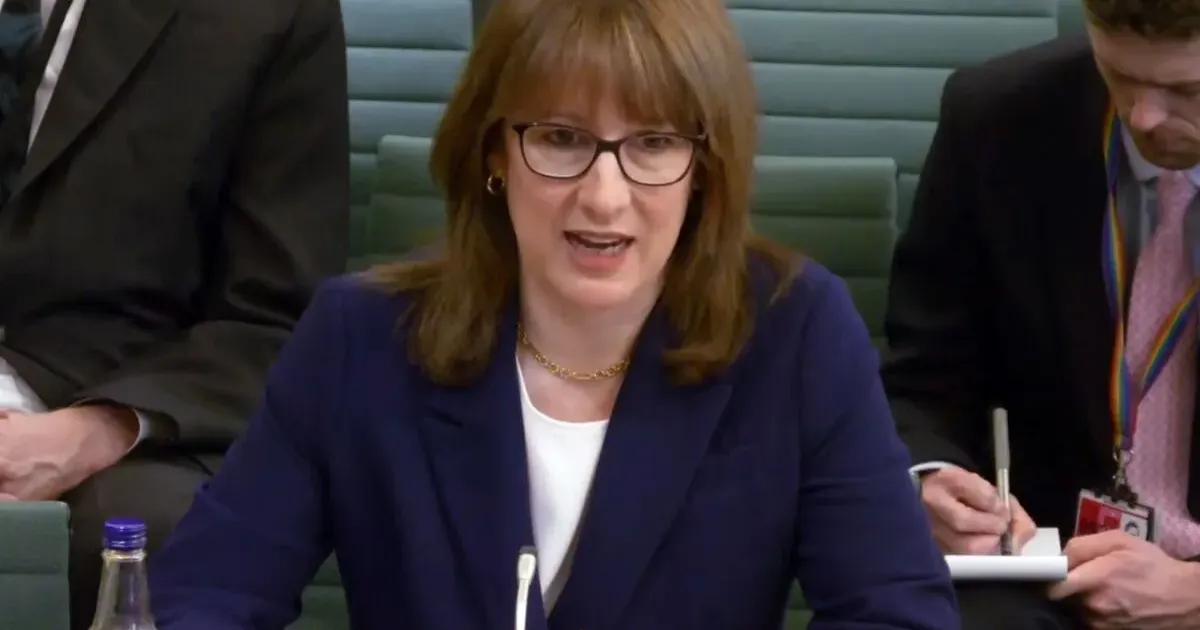
Rachel Reeves stood before a hushed room of reporters on Wednesday, signaling a firm refusal to pivot the UK government's fiscal strategy despite the outbreak of war in Iran. The Chancellor of the Exchequer stated that speculating on the domestic fallout of the Middle East escalation is premature, a stance that has already drawn sharp criticism from consumer advocacy groups and opposition frontbenchers. While energy markets react with volatility, Reeves insisted that the British Treasury will not commit to new spending packages for households or businesses at this stage. The stance hardened on March 11, 2026, as energy markets moved faster than the Treasury response. Such a decision leaves the nation in a state of high-alert observation as global oil prices fluctuate wildly.
Minutes after her remarks concluded, Brent Crude prices hit a six-month high, reflecting the immediate anxiety of international traders. The Chancellor's rhetoric emphasizes her commitment to fiscal iron discipline, a cornerstone of her tenure that she appears unwilling to compromise even as geopolitical instability threatens to derail the UK's fragile recovery. Experts from the City of London have begun questioning whether this wait-and-see approach could inadvertently lead to a deeper inflationary spike if the conflict persists beyond the spring of 2026. Reeves, however, remains unmoved by these early warnings, citing the need for data-driven decisions over reactive policymaking. Energy analysts suggest that the UK is particularly vulnerable to disruptions in the Strait of Hormuz, regardless of the recent push for North Sea sovereignty and green energy transitions.
Natural gas futures moved 8% higher in early trading on Wednesday morning, a move that usually precedes a hike in consumer energy caps. The Chancellor dismissed calls for a preemptive energy rebate, arguing that the Treasury lacks the fiscal headroom to subsidize every global shock. She noted that the current buffers are designed for long-term stability rather than short-term market jitters. This policy of restraint is a calculated gamble on the brevity of the military engagement. Market confidence depends on clarity that the Treasury is currently unwilling to provide.
The Burden of Fiscal Rules
Internal Treasury documents leaked last week suggested that a sustained conflict in the Persian Gulf could add billions to the UK's debt interest payments. Despite these internal projections, Reeves maintained her public composure, telling the BBC that her primary focus remains the stability of the pound and the protection of the UK's credit rating. She argued that throwing money at a problem before its full scope is understood would only exacerbate the inflationary pressures the Bank of England has fought to subdue over the last two years. Labor backbenchers have already expressed private concern that this stance may alienate voters who are still recovering from the cost-of-living crisis of the mid-2020s. Reeves pointed to service-sector resilience even as Bloomberg Economics warned that a prolonged war could cut 0.5% from projected UK growth in 2026.
While Bloomberg Economics reports that a prolonged war could shave 0.5% off the UK's projected GDP growth for 2026, Reeves pointed to the resilience of the service sector as a mitigating factor.
She suggested that the UK is better positioned than it was during previous energy shocks, thanks to diversified supply chains and increased storage capacity. Still, the reality for small business owners remains bleak, as commercial energy contracts are notoriously sensitive to even minor geopolitical tremors. Logistics firms have already warned that a surcharge on diesel is likely if the price of oil remains above $105 per barrel for more than a fortnight. Oil markets do not share her patience. Refusing to speculate on the impact of the war, Reeves has effectively frozen the budget process until the autumn statement.
This decision ensures that no emergency fiscal events will take place in the immediate future, barring a catastrophic total shutdown of regional shipping lanes. The Treasury's official position is that the existing energy price cap mechanism provides enough of a cushion for the average household, though critics argue the cap is an insufficient tool for a geopolitical crisis of this magnitude. Analysts at Reuters have noted that similar delays in 2022 led to a more expensive intervention later in the year, a historical parallel that Reeves is keen to avoid but seems to be echoing through her inaction.
Geopolitical Fallout and Domestic Pressure
Questions regarding the UK's military involvement were also brushed aside, as the Chancellor kept the focus strictly on the balance sheets. She reiterated that the Ministry of Defence has its own contingency funds and that the economic impact assessment will be a joint effort across Whitehall departments. The lack of a specific timeline for this assessment has frustrated business leaders who are desperate for some form of hedging against rising operational costs. In the North of England, where manufacturing remains energy-intensive, the silence from the Treasury is being interpreted as a lack of regional awareness. Several CEOs of prominent engineering firms have already issued statements calling for a temporary suspension of carbon levies to offset the rising cost of raw fuel.
Inflation figures for March 2026 are expected to show a slight uptick, largely driven by the initial news of the strikes in Iran. If these numbers continue to climb, the Bank of England may be forced to raise interest rates again, a move that would directly contradict the Treasury's narrative of a stabilizing economy. Reeves has so far managed to avoid a direct confrontation with the central bank, but the diverging paths of fiscal and monetary policy are becoming harder to ignore. Her refusal to offer a safety net to businesses could lead to a wave of insolvencies in the transport sector, which operates on razor-thin margins and is highly susceptible to fuel price volatility. Financial institutions in the City have noted that the UK's reliance on imported LNG remains a critical point of failure.
While the government has touted its energy security strategy, the reality is that a Middle Eastern war shifts the entire global supply curve, making it more expensive for the UK to compete with Asian markets for spot-market shipments. Reeves mentioned that she is in close contact with international partners, including the US Treasury and European finance ministers, to coordinate a collective response. This international cooperation has yet to yield a concrete plan for price stabilization, leaving the UK to weather the initial storm alone. The Chancellor believes that the strength of the British economy lies in its ability to absorb shocks without resorting to the reckless spending of the past. Pressure from the opposition is likely to mount as the 2026 local elections approach.
Conservative shadow ministers have already labeled the Chancellor's response as negligent, accusing the government of being asleep at the wheel while a global crisis unfolds. Reeves retorted that her predecessors' habit of announcing uncosted subsidies is exactly what led to the previous decade's financial instability. She appears determined to stick to her fiscal rules, even if it means short-term pain for the electorate. That strategic silence is intended to signal maturity to the markets, but it is unclear whether the public will accept such a cold-blooded calculation.
Why Fiscal Patience May Become Neglect
Waiting for the fire to reach the curtains before calling the brigade is rarely a winning strategy for a Chancellor. Rachel Reeves is attempting to perform a high-wire act of fiscal purity while the world beneath her burns, and her refusal to offer even a glimmer of emergency support is a dangerous gamble. By the time the Treasury decides that it is no longer too soon to assess the impact, the damage to British manufacturing and household budgets will be irreversible. Such a move is not the iron discipline she promised, it is a paralyzing fear of repeating the inflationary mistakes of 2022. Markets do not wait for bureaucratic assessments, they move on sentiment and survival, both of which are currently trending toward a crisis the government seems content to ignore.
Reeves might believe she is protecting the UK's credit rating, but she is doing so at the expense of the people who actually power the economy. If the Iran conflict expands, her current stance will be remembered not as prudence, but as a catastrophic failure of leadership that left the nation's most vulnerable sectors exposed to the whims of a global energy war.