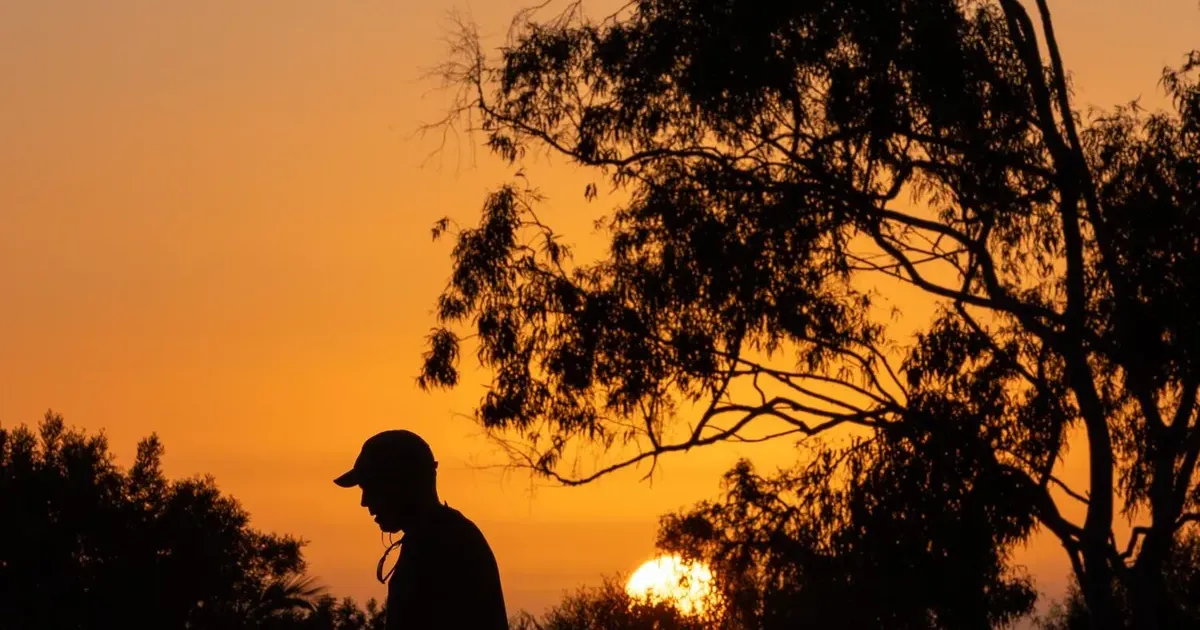
California's March heat wave has made the Los Angeles region feel like an early-summer warning arriving weeks ahead of schedule. The warning sharpened on March 11, 2026.
California Spring Turns Dangerous
The heat wave began with an ominous warmth that felt more like July than early spring. Residents from San Diego to Sacramento are currently bracing for a blistering heat wave that meteorologists predict will shatter decades-old records. The National Weather Service recently issued a high-risk alert for heat-related illnesses, warning that the suddenness of the temperature spike leaves the public particularly vulnerable. People have not yet acclimated after the cooler winter months, making the leap to triple-digit heat a significant health hazard. While springtime usually features the gentle bloom of California poppies, the current weather pattern resembles a violent environmental shift. Meteorologists at the National Weather Service are tracking a high-pressure ridge that has parked itself over the Western United States.
California prepared for summer-level heat before spring had properly begun, exposing how quickly seasonal assumptions can collapse.
This development puts the region nearly 30 degrees above its historical average for this time of year. Los Angeles is forecast to hit triple digits by Thursday and Friday, a milestone that rarely occurs before May or June. The sheer intensity of the heat is catching even long-time residents off guard. Forecasters suggest the heat will persist for several days, leaving little room for overnight cooling in urban corridors where concrete traps the day's energy. California is essentially auditioning for a future where spring no longer exists. Reporting from the Los Angeles Times highlights the dangerous nature of this event, specifically noting how long the scorching conditions will last.
In contrast, the New York Post focuses on the record-shattering potential of the blast. Both outlets agree that the risk to public health is extreme. Emergency rooms are preparing for an influx of patients suffering from heat exhaustion and dehydration. Vulnerable populations, including the elderly and those living without reliable air conditioning, are at the highest risk. Public cooling centers are opening earlier in the season than ever before to accommodate the crisis. Power grid operators at the California Independent System Operator are monitoring the surge in demand with visible concern.
Air conditioning units that remained dormant throughout the winter will likely be pushed to their limits simultaneously. If the grid becomes overloaded, rolling blackouts could become a necessity to prevent a total system failure. Beyond the power concerns, the agricultural sector faces its own set of challenges. Fruit trees in the Central Valley that have just begun to blossom might see their yields diminished by the scorching wind and lack of moisture. Water management officials are also sounding the alarm. High temperatures this early in the year accelerate the melting of the Sierra Nevada snowpack, which is the state's primary water storage system.
Because the melt is occurring before the traditional peak of the rainy season, the runoff may be difficult to capture in reservoirs. This meteorological shift could lead to water shortages later in the summer when the need is greatest. Economic analysts suggest that the cost of extra cooling and potential crop loss could reach hundreds of millions of dollars if the heat wave persists into next week.
Why Cooling Centers Are Not Enough
Stop pretending that a hundred-degree day in March is just another weather anomaly to be managed by a few extra cooling centers. This current crisis in California exposes the absolute fraud of our infrastructure planning and the cowardice of politicians who refuse to admit the climate has already changed beyond the point of repair. We build glass towers that require constant refrigeration and suburbs that require miles of sun-baked asphalt to navigate, then we act surprised when the thermometer hits triple digits before the spring equinox. It is not just about the heat. It is about the complete failure of the American city to exist in harmony with a planet that is increasingly hostile to human habitation. If we cannot handle a heat wave in March, how do we expect to survive a July where the power grid inevitably fails?
The reality is that we are living in a house on fire while arguing about the color of the curtains. California needs more than cooling centers. It needs a total overhaul of its relationship with energy and water, or it will simply become an unlivable oven for all but the top one percent.