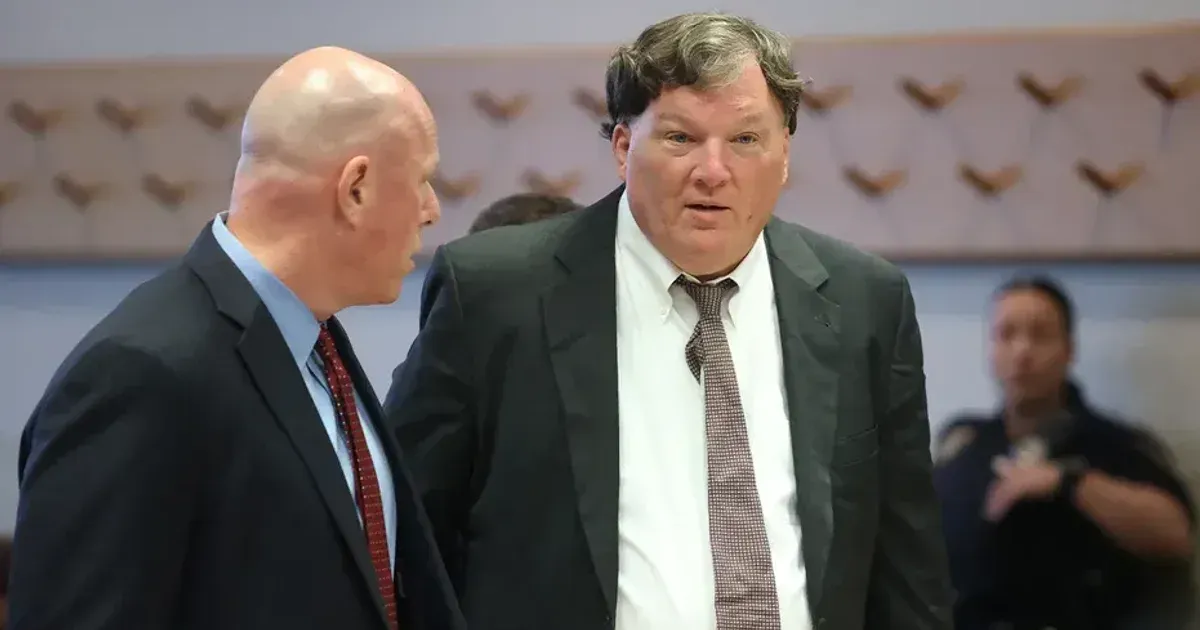
Rex Heuermann was expected to enter a guilty plea in the Gilgo Beach murder case, a development that could close one of Long Island's most closely watched criminal prosecutions. The expected plea was being discussed ahead of a scheduled court appearance and after months of negotiations between the defense and Suffolk County prosecutors. Any agreement would carry consequences far beyond one hearing because the case is tied to years of unsolved deaths and public distrust in the original investigation. By March 27, 2026, the talks had become a possible path toward legal finality.
Heuermann, a Manhattan architect from Massapequa Park, was first charged in connection with women whose remains were found near Gilgo Beach more than a decade earlier. The case drew national attention because of the long delay between the discovery of the bodies and the eventual arrest. Prosecutors later expanded the case as investigators reviewed older evidence, phone records and DNA material.
The expected plea would spare victims' families the uncertainty of a trial, but it would not end every question. Relatives still want a fuller account of what happened, whether other deaths are connected and how earlier investigative failures slowed the search for a suspect. The case has always carried two timelines. One is the legal timeline that begins with charges, motions and court appearances. The other is the much longer timeline lived by families who waited through years of partial answers, public speculation and investigative resets. A plea can resolve the first timeline faster than a trial. It cannot automatically repair the second. That is why prosecutors will be judged not only by the sentence but also by how much truth the process puts on the record.
Plea Talks Focus on Certainty
Prosecutors often consider plea agreements in cases where the evidence is strong but the trial would be lengthy, traumatic and vulnerable to procedural fights. A guilty plea can secure a life sentence, establish a formal record and avoid years of appeals over trial conduct.
"His defense attorney, Michael J. Brown, and Suffolk County District Attorney Ray Tierney are negotiating a deal that could result in Heuermann pleading guilty at his court appearance April 8," the New York Post reported.
The defense would have its own reasons to negotiate. If the evidence includes DNA links, cellular records and other corroborating material, a plea may reduce uncertainty over sentencing conditions or the scope of admitted conduct. That does not make the process simple. Families may object if they believe the deal leaves too much unanswered.
Evidence Rebuilt a Cold Case
The Gilgo Beach investigation became a lesson in how old evidence can gain new force when technology improves and agencies reorganize a stalled case. Investigators used phone data, billing records, witness information and genetic material to build a timeline around the victims and the suspect.
One of the most cited breakthroughs involved discarded material that helped investigators compare DNA against evidence recovered years earlier. That kind of link can be powerful because it connects a suspect to physical evidence without relying only on memory or circumstantial movement. The case also exposed institutional problems. Earlier phases of the investigation were criticized for delays, leadership conflict and missed opportunities. A plea may produce legal closure, but it will not erase questions about why families waited so long for answers.
Families Still Need Answers
For victims' relatives, the courtroom outcome is only part of the process. They may want allocution details, investigative transparency and confirmation of whether other missing-person cases were reviewed thoroughly. A plea that avoids trial testimony can reduce trauma, but it can also limit the public record.
Suffolk County officials will have to balance finality with disclosure. Too little information could leave families feeling that the system protected itself. Too much detail could complicate unresolved investigations if detectives are still examining other cases. The court will also have to manage the public nature of the case. High-profile pleas can draw intense attention, but judges still need to keep the proceeding focused on the charges, the factual basis and the rights of victims' families to be heard.
If Heuermann speaks in court, every word will be measured against years of unanswered questions. If he says little, the legal ending may feel emotionally incomplete. The plea would also affect other investigations connected by geography, timing or victim profile. Detectives may continue reviewing cases even after a conviction, especially if families believe the same suspect could be responsible for more harm.
The case also shows how much modern cold-case work depends on persistence after public attention fades. Investigators had to revisit old assumptions, compare scattered records and use techniques that were not available when the bodies were first found. That kind of work is slow, but it can change the legal posture of a case that once looked stalled. Public confidence will depend on how prosecutors explain the deal. If the plea includes a clear factual record and meaningful victim statements, it may be accepted as accountability. If it appears to trade speed for silence, the families may view the result as incomplete.
What a Plea Would Change
A guilty plea would transform the case from a prosecution into a record of responsibility. It would also mark a major shift for a community that has lived with the Gilgo Beach killings as a symbol of fear, delay and institutional failure. The legal system may be near an answer on Heuermann's fate. The broader accounting is harder. It includes the victims' lives, the years lost to investigative drift and the public demand that cold cases receive urgency before technology becomes the only path left.