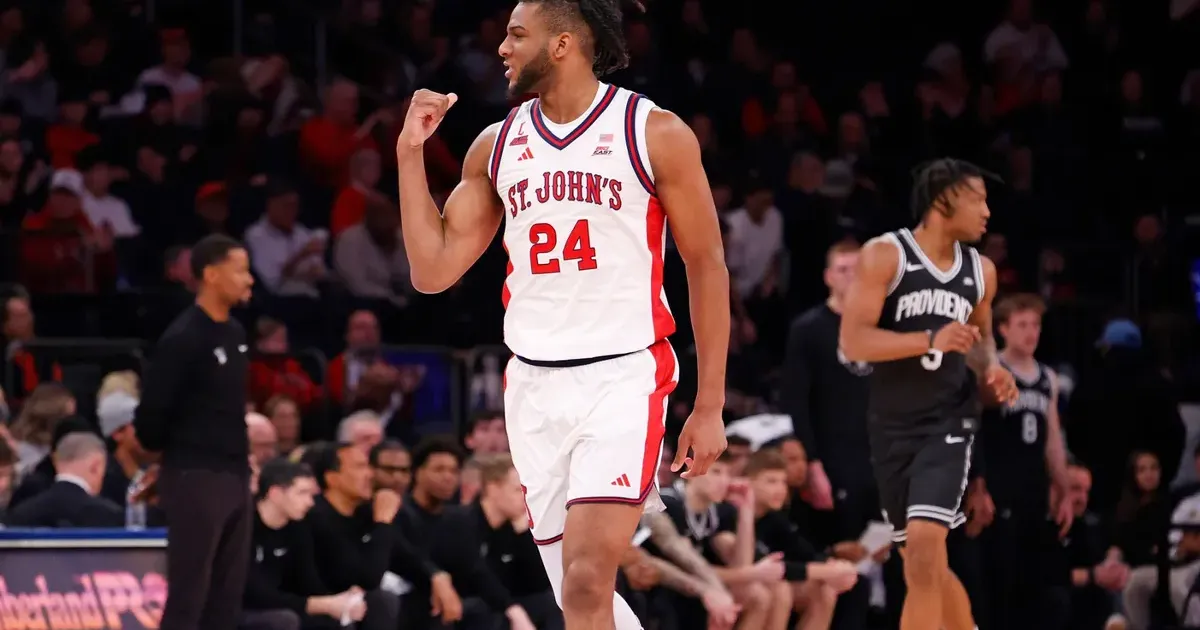
Rick Pitino is leading St. John's into a Big East title defense, giving the program a high-pressure chance to prove that its revival can survive tournament expectations.
The tournament pressure had been rising for weeks. The storyline was clear by March 12, 2026 as St. John's moved from chasing respect to defending a place near the top of the conference conversation. That shift changes the emotional weight of every possession. A team trying to arrive can play loose; a team trying to defend a title is measured differently.
Pitino's Tournament Formula
Pitino-coached teams usually lean on preparation, pressure and an ability to turn opponents' discomfort into scoring chances. That formula can be especially valuable in conference tournaments where scouting windows are short.
The challenge is execution. Big East title defense pressure can expose careless ball handling, rushed shots and defensive lapses that regular-season rhythm sometimes hides.
St. John's needs its guards to control tempo, its wings to defend without fouling and its bench to survive the moments when starters need rest.
Why Repeat Runs Are Hard
A title defense is difficult because opponents adjust. They know the sets, the personnel and the emotional triggers that can knock a favorite out of rhythm. The Big East also tends to punish softness. Games can become physical, half-court and tense, which means teams need more than energy. They need patience and shot quality. For Pitino, the task is keeping urgency without letting the team play as if every early mistake is a crisis. Tournament teams need intensity that does not become panic.
What St. John's Must Prove
The program has to show that its rise is structural, not only motivational. A strong coach can lift belief quickly, but sustained tournament success requires habits that hold up against elite scouting. Late-game offense may decide the defense. When possessions slow down, St. John's needs reliable spacing, clean decisions and a way to get high-value shots without forcing hero plays. Pitino also understands how to frame pressure for players. A tournament run can feel overwhelming if the team treats every possession as a referendum on the season, so the message has to stay narrow: defend, rebound, value the ball and move to the next play. The roster will need balance. Veteran poise can help in late-game situations, while younger energy can swing a tournament game if it is disciplined enough to avoid fouls and rushed shots.
Opponents will try to force St. John's into half-court possessions where shot creation becomes harder. That means spacing and decision-making may be just as important as defensive pressure.
The fan base adds another layer. A revived St. John's team carries New York attention, and that attention can become fuel or weight depending on how the team handles early adversity. The title defense is ultimately a maturity test. St. John's has to show it can play with Pitino's urgency while staying calm enough to close games cleanly. The coaching edge matters in a tournament setting because opponents have little time to prepare between games. Pitino's experience can help St. John's identify which adjustments are essential and which distractions should be ignored. Rebounding may be the hidden swing factor. In tournament basketball, one extra possession can decide a tight game, and second-chance points can settle an offense when shots are not falling. Foul discipline will be just as important. A title defense can unravel quickly if key players spend long stretches on the bench or if an opponent lives at the free-throw line. St. John's also needs emotional balance from its leaders. When a run goes against them, the response has to be communication and execution rather than rushed attempts to win the game back in one possession. The opportunity is real because tournament basketball rewards teams that know who they are. If St. John's can defend with force, rebound with consistency and avoid careless offense, the title defense becomes more than a storyline. Shot selection may decide whether St. John's can control tournament pressure. Quick, contested jumpers can feed opponents in transition, while patient possessions can let the defense set up and keep the game on Pitino's terms. The team also needs reliable communication on switches and screens. Tournament opponents will hunt small breakdowns, especially late in the clock when one missed call can produce an open corner three or a clean drive.
If St. John's handles those details, the title defense can reinforce the program's new standard. If not, the same pressure that creates excitement can expose how thin the margin still is.
That balance is what separates a dangerous tournament team from one that only looks dangerous on paper when the bracket tightens late.
The title defense will not define the entire program, but it will reveal how far the rebuild has moved from excitement into expectation.