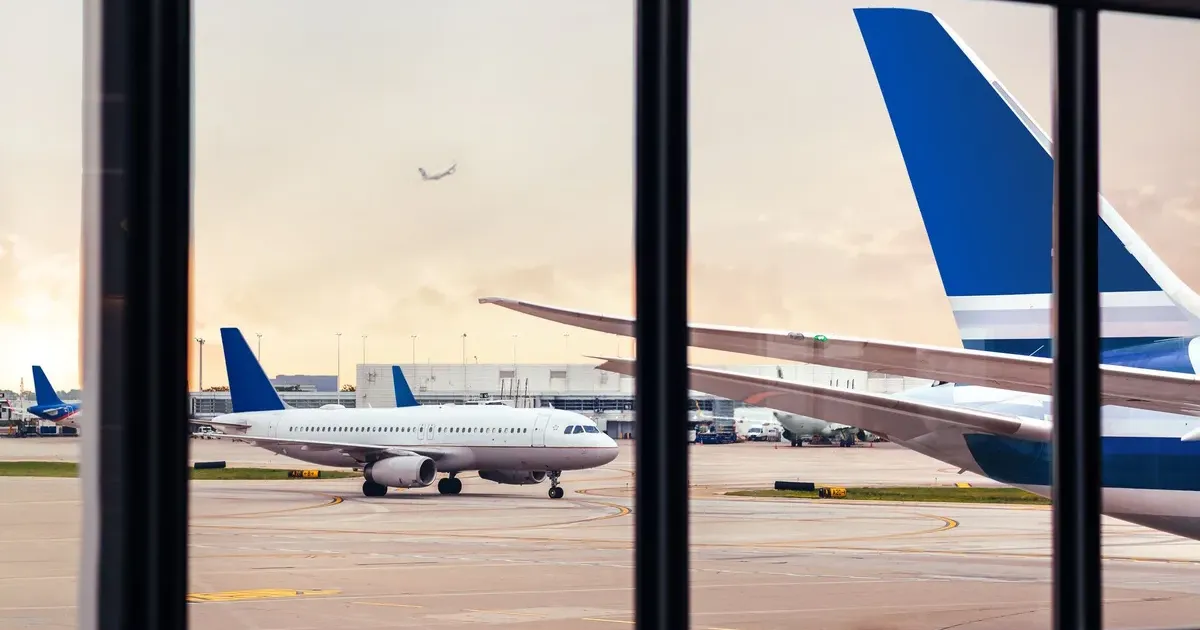
The jump in fuel costs has turned business-class tickets from a privileged comfort product into a symbol of budget pressure. The fare shock widened on March 11, 2026.
Airfare Starts Pricing War Risk
Sydney International Airport terminals felt more like high-stakes trading floors this March. Passengers staring at departure screens saw more than delayed flights as the reality of a global energy crisis translated into eye-watering ticket prices. Cathay Pacific, a carrier long known for its premium service, recently listed a business-class seat from Australia to London for a staggering $25,000. Under normal conditions, that same route would cost a traveler between $4,000 and $5,000. This financial burden falls squarely on the shoulders of the passenger, driven by a volatile mix of surging oil prices and restricted airspace over the Middle East.
Air New Zealand joined the trend by announcing broad price hikes across its entire network. Travelers will pay an extra $54 for long-haul journeys, while domestic hops within New Zealand saw a $6 increase. While these figures seem small in isolation, they reflect a systemic move by airlines to protect their bottom lines during a period of extreme geopolitical instability. Australian giant Qantas, despite not flying directly into the conflict zone, raised its international fares to compensate for the ballooning cost of jet fuel. Scandinavian carrier SAS similarly implemented what it calls a temporary price adjustment, suggesting that no region remains immune to the economic ripple effects of the war in Iran.
Fuel prices and rerouting costs have moved directly into premium cabins, turning long-haul comfort into a visible measure of war risk.
Air travel has returned to its status as an elite luxury. Fuel markets remain the primary culprit for this sudden inflation. Once the conflict in the Middle East intensified, the price of crude oil spiked, forcing airlines to reconsider their pricing models almost overnight. Budget carriers in the United States have yet to announce official increases, but industry analysts expect the low-cost sector to feel the pressure most acutely. Discount airlines operate on razor-thin margins, and any prolonged increase in fuel costs typically results in immediate surcharges or the cancellation of less profitable routes.
Major international players have more room to maneuver, yet even they are struggling to maintain their schedules while bypassing massive swaths of closed airspace. Pilots and flight planners are currently playing a logistical game of Tetris to keep aircraft moving safely. With Iranian airspace largely off-limits, the traditional corridors connecting Europe and Asia have narrowed to a bottleneck.
Reroutes Break the Old Flight Map
Airlines must now choose between flying sharply longer routes or making unplanned technical stops for refueling. Qantas recently scrapped its signature 17-hour nonstop flight from Perth to London. Instead, the aircraft now stops in Singapore to take on extra fuel before taking a circuitous path to avoid the conflict zone. This tactical retreat from nonstop service indicates a retreat from the convenience of the past decade. Middle Eastern titans such as Emirates, Qatar Airways, and Etihad are facing an even more precarious situation.
These three carriers alone account for one-third of all passenger traffic between Asia and Europe, yet their geographic hubs sit directly adjacent to the volatility. Travelers should exercise extreme caution when booking through these hubs, even if the prices appear deceptively low compared to Western competitors. Capacity has been slashed, and many previously reliable routes were scrapped once the safety of the flight paths could no longer be guaranteed. When a carrier loses access to its primary transit corridors, the entire business model begins to crumble, leaving passengers at risk of being stranded in transit hubs with few alternatives. Expectations of a seamless journey have vanished.
Flight times have increased by several hours on many routes between the United Kingdom and Australia. Such delays are more than an inconvenience; they represent a massive increase in operational costs for the airlines. Longer flights require more crew hours, more catering, and, most importantly, sharply more fuel. Because planes must carry more weight in fuel to cover the extra distance, they burn through their reserves even faster. It is a cycle of inefficiency that is driving the $25,000 business-class ticket from a pricing anomaly toward a new standard for emergency travel.
Refunds and rebooking options have become the primary focus for travelers who booked trips before the current escalation. While Conde Nast Traveler suggests that some airlines are offering flexible waivers, the reality on the ground is often more restrictive. Most standard travel insurance policies exclude acts of war or civil unrest, meaning a voluntary cancellation might result in a total loss of funds.
Travel Insurance Offers Less Than Travelers Think
Stop pretending that the age of cheap global mobility was anything other than a historical fluke. For three decades, we lived in a fantasy world where a middle-management executive could skip across continents for the price of a weekend at a mid-tier resort. That era is over. The $25,000 business-class ticket is not a mistake or a glitch; it is an honest reflection of what it actually costs to move a human being through a world on fire. Airlines have spent years masking the true costs of fuel and geopolitical risk through aggressive loyalty programs and subsidized routes.
Now that the masks have been ripped away by the conflict in Iran, the public is rightfully horrified by the price of reality. We should stop coddling the modern traveler who believes they are entitled to a seamless journey regardless of the chaos on the ground. A $25,000 fare is the market's blunt way of asking whether the trip is urgent enough to justify the carbon footprint or the risk. War has a way of clarifying priorities, and the new pricing structure for international travel is simply the market's way of telling us that the vacation is over. Travel is a luxury for the powerful, not a right for the masses.
If you cannot afford the $25,000 fare, you likely do not have business urgent enough to justify the carbon footprint or the risk.