India’s fuel-cost surge is moving inflation pressure from energy markets into household budgets and policy decisions. The inflation warning sharpened on March 12, 2026
Fuel Costs Reach the Household Budget
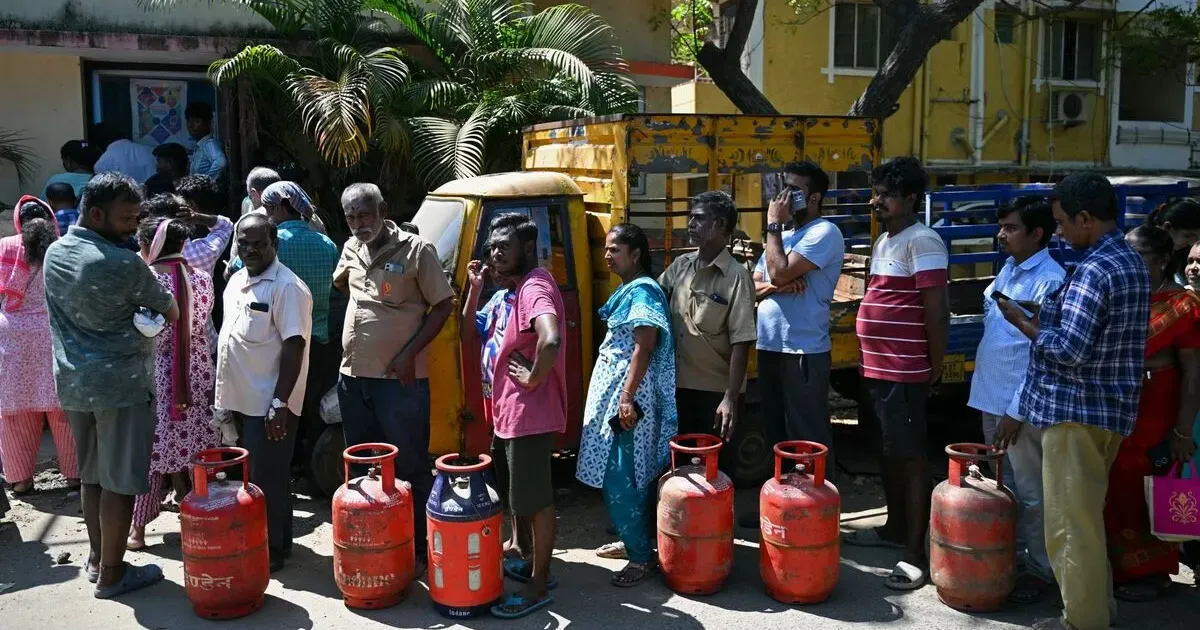
Tushar Dhadam stands in his cramped Mumbai kitchen, watching the blue flame of a gas burner with a sense of mounting dread. He runs a small restaurant in one of the city's busiest commercial hubs, serving the office workers and laborers who keep the local economy humming. For years, his vegetarian thali remained an affordable staple for his loyal customers. But the math no longer works. Last week, Dhadam made the painful decision to raise the price of that lunch dish by 10%, a move he feared would drive away his regulars. Gas prices are the primary culprit. Liquefied petroleum gas, or LPG, is the lifeblood of India's urban and rural kitchens alike. As conflict in the Middle East widens, the cost of importing this essential fuel has skyrocketed. For small business owners like Dhadam, the increase is impossible to absorb. He spent years building a reputation for value, yet he now finds himself at the mercy of geopolitical forces thousands of miles away. His story is becoming a common one across the subcontinent as the reality of energy insecurity takes hold. Inflation is no longer a theoretical concern for the Reserve Bank of India. It is a daily struggle for millions of people who see their purchasing power evaporating.
Inflation Pressure Moves Through the Economy
When cooking gas prices rise, the effect ripples through the entire food supply chain. Transporters charge more to deliver vegetables, wholesalers hike their margins to cover overhead, and ultimately, the consumer pays the bill. The math doesn't add up for the working class. Iran's broadening military engagements have cast a dark shadow over the world's most critical energy transit points. India relies on the Persian Gulf for roughly 60% of its LPG requirements, as fuel costs threatened to spread through transport, food and retail prices. Qatar, the United Arab Emirates, and Saudi Arabia are the dominant suppliers, sending a constant stream of tankers through the narrow Strait of Hormuz. Recent escalations in the region have turned this maritime corridor into a high-risk zone for commercial shipping. Insurance premiums for these vessels have increased fivefold in the last month alone. Shipping companies are passing these costs directly to importers. While Bloomberg Economics reports that some shipments are still moving, the frequency of deliveries has slowed sharply. Some captains are hesitant to enter the Gulf, fearing missile strikes or naval seizures. Such delays create immediate shortages at Indian ports, which then manifest as higher prices at the retail level. State-run oil marketing companies like Indian Oil Corporation and Bharat Petroleum find themselves in a difficult position.
The RBI Has Less Room to Wait
They are tasked with maintaining a steady supply of fuel to a nation of 1.4 billion people while facing massive international price hikes. If they pass the full cost to the consumer, they risk social unrest. If they freeze prices, they bleed cash and require massive government bailouts. Both options carry significant economic risks. India is the world's second-largest importer of LPG, making its economy uniquely sensitive to shifts in global energy markets.
The government has spent the last decade promoting gas as a clean alternative to coal and wood through the Pradhan Mantri Ujjwala Yojana. This initiative successfully connected millions of poor households to the gas grid. Yet, this success has created a new form of vulnerability. Families that once relied on free firewood now depend on a global commodity subject to the whims of Middle Eastern volatility. Rural households are particularly hard hit by the current crunch.
In many villages, the cost of a single cylinder is now a substantial portion of a family's monthly income. When the price jumps, these families often revert to traditional biomass fuels, undoing years of health and environmental progress. The economic burden is not just a matter of rupees and paise, it is a setback for the nation's modernization goals.
Politics Meets the Pump
Market analysts are closely watching the wholesale price index for signs of a broader contagion. Sustained energy costs could push core inflation past the 6% threshold, according to analyst warnings. That would likely force the Reserve Bank of India to raise interest rates, potentially cooling an economy that is already showing signs of fatigue. A slowdown in domestic consumption could derail India's ambitions to remain the world's fastest-growing major economy. New Delhi has tried to maintain a delicate diplomatic balance during the widening Iran war.
If energy costs remain elevated through the next quarter, experts predict that core inflation will break past the 6% threshold.
India maintains a strategic partnership with the United States while holding significant investments in Iranian infrastructure, such as the Chabahar Port. But diplomacy does not lower the price of a gas cylinder when tankers are dodging drones in the Persian Gulf. The physical reality of supply and demand remains the dominant factor in the domestic marketplace. Strategic petroleum reserves offer some cushion for crude oil, but LPG storage capacity is far more limited. India can only store enough cooking gas to last a few weeks.
This thin margin of safety means that any prolonged disruption in the Middle East will lead to immediate price spikes at home. Government officials are reportedly exploring alternative supply routes from the United States and Australia, but those options involve much longer transit times and higher freight costs.
Imported Inflation Is Still Inflation
Rising fuel costs are feeding fresh inflation pressure across India. Higher transport and input costs can spread into food, retail and manufacturing prices. The RBI faces pressure to defend inflation credibility even if growth slows. Fuel subsidies or tax cuts would shift the burden onto public finances.
Higher diesel and transport costs raise the price of moving farm goods, packaged products and imports. Policymakers can cut taxes, use reserves or tighten policy, but each option carries a growth or fiscal cost. Calling this a temporary shock is too convenient. Fuel prices enter almost every household bill indirectly, and India cannot talk its way out of arithmetic.
If the rupee weakens while oil rises, inflation becomes both imported and domestic.