Central Bank Calculations Pivot
Texas fuel stations are displaying numbers that were unthinkable just sixty days ago. Economic shockwaves from the military engagement in Iran have traveled faster than any diplomatic cable, hitting American wallets before the first battlefield reports were even fully verified. Investors now anticipate a significant shift in monetary policy, moving their expectations for a Federal Reserve rate cut from July to September. The war in Iran has introduced a volatility that complicates an already fragile recovery, forcing Chairman Jerome Powell to balance inflationary energy spikes against a labor market that is beginning to lose its footing. While the central bank had hoped to begin easing the burden on borrowers this summer, the rising cost of crude oil suggests that inflation might remain stickier than previously projected.
Markets are reacting with visible anxiety. The prospect of sustained high interest rates combined with soaring energy overheads creates a double bind for small businesses and industrial giants alike. Many analysts at major firms like Bloomberg and Goldman Sachs had priced in a spring cooling period, yet the escalation in the Persian Gulf destroyed those models in a single weekend. September is now the earliest window for relief, leaving millions of mortgage holders and corporate borrowers in a state of expensive limbo.
Rate cut delays usually happen when the economy is overheating, but the current situation is far more nuanced. Hiring has slowed in the tech and manufacturing sectors, creating a scenario where the Fed might be forced to keep rates high to fight energy inflation even as the broader economy cries out for a stimulus. This calculation assumes the labor market holds steady enough to withstand the pressure, a gamble that many economists find increasingly risky as corporate layoffs begin to tick upward in the first quarter of 2026.
Battlefield at the Pump
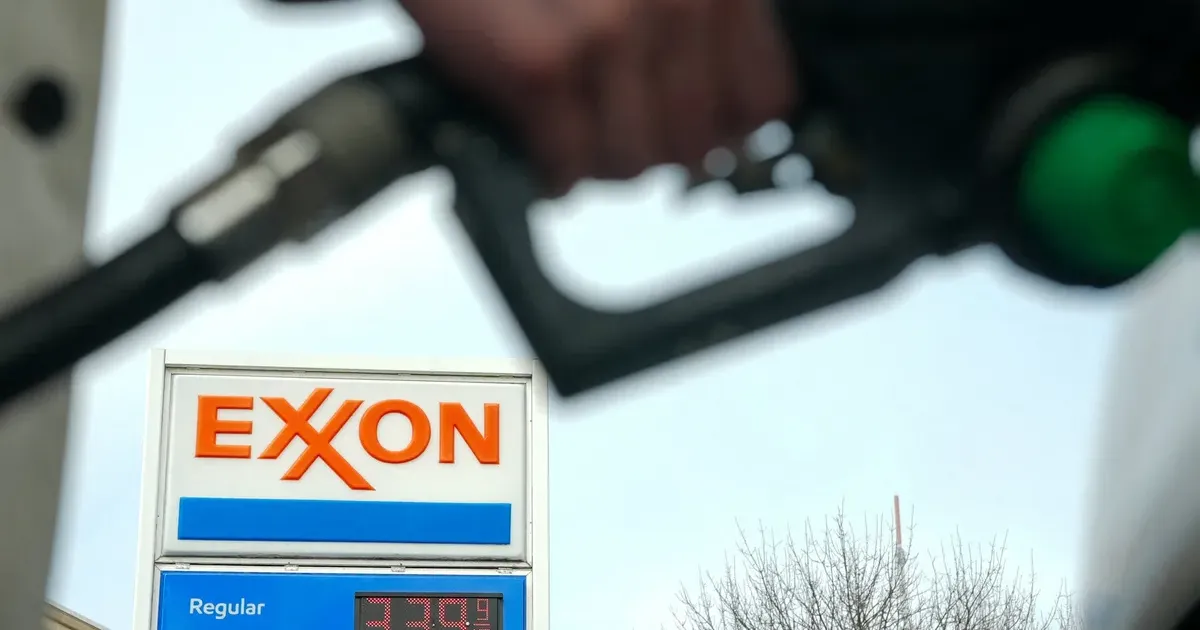
Voters are not looking for a lecture on geopolitics when their commute costs fifty percent more than it did in January. Gasoline prices have long served as the most visible indicator of economic health for the average American family, and the current trajectory is nothing short of disastrous for those in the middle class. National averages for regular gasoline reached $3.55 on Tuesday, representing a 61 cent jump from just four weeks prior. The speed of the increase has left households scrambling to adjust their monthly budgets, often at the expense of discretionary spending that fuels the rest of the service economy.
The math of the upcoming election is being written in diesel fumes.
Diesel prices, which drive the cost of every physical good delivered in the United States, have seen even more dramatic surges. Data from GasBuddy indicates that three of the four largest weekly jumps in diesel costs occurred in states that will decide the balance of power in the Senate this November. Texas led the nation with a staggering 111.6 cent increase, followed closely by North Carolina at 110.5 cents and Georgia at 107.9 cents. These are not just statistics, they are existential threats to the profit margins of independent truckers and the stability of supply chains that were only recently repaired after the disruptions of the early 2020s.
Political Vulnerability in the South
Republicans defending their narrow Senate majority find themselves in a defensive crouch as the cost of the conflict becomes tangible at the pump. President Trump recently characterized the fuel price surge on Truth Social as a small price to pay for world peace, but that rhetoric is falling flat in districts where the drive to work is twenty miles or more. Democratic challengers are already capitalizing on the discontent, framing the war as an expensive distraction from domestic stability. Affordability was always going to be the central pillar of the Democratic midterm strategy, and the current energy crisis has provided them with a potent, daily visual aid for their messaging.
Public sentiment is reflecting a deep skepticism toward the current foreign policy trajectory. A recent Reuters/Ipsos poll conducted through Monday found that only 29% of Americans approve of the strikes in Iran. Perhaps more concerning for the incumbent party is the fact that 66% of the population, including nearly half of registered Republicans, expect prices to continue their upward climb. No rally-around-the-flag effect has materialized to save the administration from the polling slump, suggesting that the American public has grown weary of overseas entanglements that result in domestic hardship.
This price volatility is hitting battleground states with surgical precision. Michigan and Ohio, two states that often serve as the heartbeat of American manufacturing, both saw gasoline jumps of 55 cents per gallon in a single week. A month ago, only nine states saw average prices above the $3.00 mark. Today, that number has jumped to 48. The speed of this transition has outpaced the ability of local governments to provide relief through gas tax holidays or other temporary measures.
Visibility of the Crisis
Stanford political science professor Jon Krosnick observes that gas prices occupy a unique space in the voter consciousness because they are impossible to ignore. Unlike the price of milk or consumer electronics, which may vary by store or brand, fuel prices are broadcast on giant illuminated signs at every major intersection in the country. They serve as a constant, 24-hour ticker tape of the administration’s perceived failures. When those signs show a 50-cent jump in seven days, the psychological impact is immediate and visceral.
International market dynamics are further complicating the domestic supply. Patrick De Haan of GasBuddy explains that producers are often incentivized to sell their products overseas where global prices are surging, even if it leaves local markets undersupplied. Texas, despite being the largest oil-producing state in the union, suffered the largest diesel spike because the global demand for refined products pulled supply away from domestic distribution hubs. This disconnect between American production and American pricing is a frequent point of contention, yet it remains a fundamental reality of the globalized energy market.
The disconnect between geopolitical goals and the kitchen table reality is creating a volatile environment for the November midterms. If the conflict in Iran persists and the Federal Reserve remains paralyzed by inflation concerns, the political cost may far outweigh any perceived strategic gain in the Middle East. Voters in Georgia and North Carolina are currently paying the bill for a war they didn't ask for, and their receipts are being saved for the ballot box.
The Elite Tribune Perspective
Washington lives in a bubble where strategic interests outweigh the cost of a gallon of regular, yet that bubble is about to burst with the force of a refinery explosion. For decades, the foreign policy establishment has operated on the arrogant assumption that the American public will indefinitely bankroll military adventures through hidden taxes of inflation and energy spikes. That era is over. The current administration’s attempt to frame a massive hit to the working class as a small price to pay reveals a profound detachment from the reality of life outside the Beltway. A 111-cent jump in diesel is not a minor adjustment; it is an economic assault on the very people who keep the country moving. If the Republican majority thinks they can wave a flag and hide the price on the pump, they are in for a brutal awakening in November. We are seeing the death of the rally-around-the-flag effect in real-time, replaced by a cynical, justified focus on the bottom line. The Federal Reserve is now a hostage to a war it cannot control, and the American voter is the one being forced to pay the ransom. Leadership requires not merely military force; it requires the foresight to protect the domestic engine that makes that force possible in the first place.