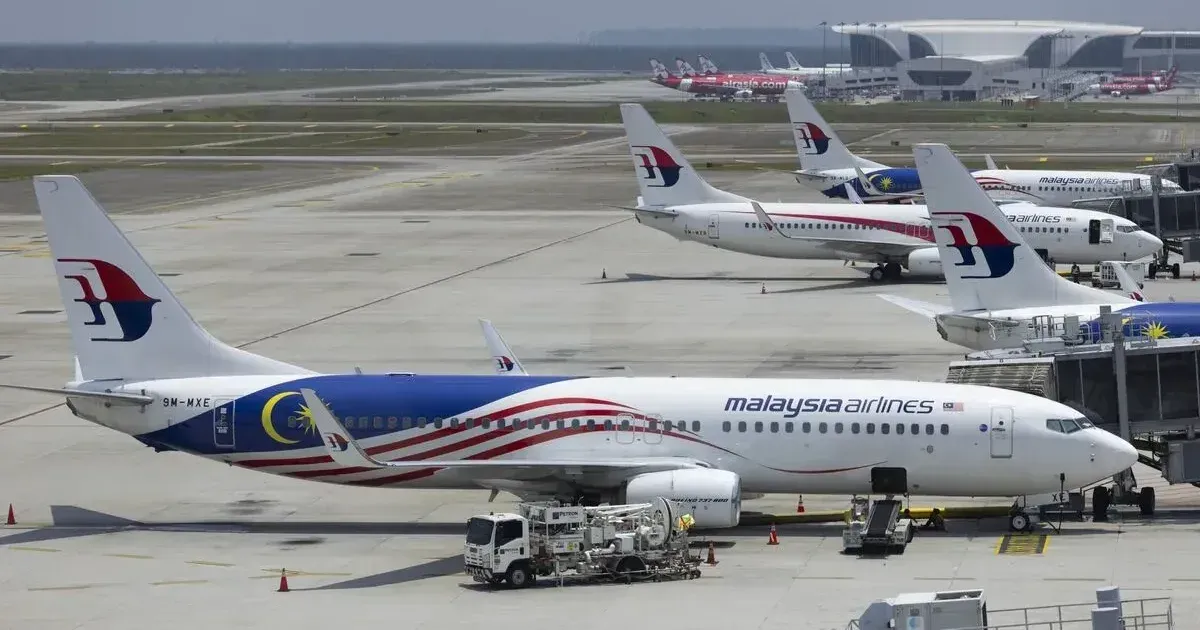
Fuel Costs Squeeze Malaysian Airlines
Kuala Lumpur officials are bracing for a logistical contraction that could isolate the Southeast Asian nation from several international markets. Transport Ministry reports indicate that major carriers, including Malaysia Airlines and the Capital A-owned AirAsia, are reviewing the viability of their current flight schedules.
Rising energy prices, spurred by the widening conflict in the Middle East, have pushed the cost of Jet A-1 fuel beyond the sustainable threshold for low-cost and full-service models alike. Officials confirmed on Friday that if the price per barrel of Brent crude remains at these elevated levels, certain regional and long-haul routes will become economically impossible to maintain. On March 13, 2026, fuel volatility turned route planning into a near-term financial risk for Malaysian airlines. This financial pressure arrives at a moment when the industry was finally stabilizing after years of pandemic-driven losses.
Energy analysts in Singapore note that the crack spread, which is the difference between the price of crude oil and refined products like jet fuel, has widened sharply over the last month. Malaysian carriers are particularly vulnerable because they settle fuel contracts in US dollars while earning a significant portion of their revenue in the local ringgit.
Recent depreciation of the ringgit has acted as a double-edged sword, making imports more expensive and increasing the effective cost of every liter of fuel pumped at Kuala Lumpur International Airport. Domestic carriers have little room to maneuver because their hedging strategies were largely predicated on a much lower price ceiling for 2026. The carrier decision is not only about fuel invoices. Airlines also have to protect aircraft utilization, crew schedules and airport slots. Suspending a weak route can save cash quickly, but it can also surrender market position if a rival keeps flying through the shock.
Route Suspensions Become a Real Option
Many of these hedges are now expiring, leaving airlines exposed to the volatility of the spot market. The economics no longer support many secondary routes. Government data suggests that fuel now accounts for nearly 45% of total operating expenses for Malaysian airlines, a sharp increase from the 30% average seen in previous fiscal years. Transport Minister Anthony Loke has indicated that the government will not provide direct subsidies to offset these costs, citing the need for fiscal discipline as the national budget remains under scrutiny. Instead, the ministry is encouraging airlines to optimize their fleets and potentially consolidate routes with low load factors.
Such a move would inevitably lead to higher ticket prices for consumers, further dampening the demand for air travel during a period of global economic cooling. Publicly traded shares in aviation-linked firms on the Bursa Malaysia have already begun to reflect this uncertainty, with investors pulling back from the sector in anticipation of dismal quarterly earnings.
Connectivity within the ASEAN bloc is the most immediate concern for regional planners who view air travel as a primary driver of trade. If AirAsia decides to suspend its short-haul connections to cities like Jakarta, Bangkok, or Manila, the ripple effect on regional commerce would be substantial. Malaysia has positioned itself as a logistics hub for the semiconductor and electronics industries, sectors that rely heavily on belly cargo in passenger aircraft to move high-value components. Passengers usually see the pressure in stages. First come higher surcharges, then reduced frequencies, then longer connections through hubs that can absorb the cost. The most exposed routes are thin leisure or secondary-city links where each additional barrel of fuel changes the profit calculation.
Travelers Face Higher Fares
A reduction in flight frequency would directly translate to longer lead times and higher shipping costs for manufacturers. Such a scenario would jeopardize Malaysia's competitive edge against regional rivals like Vietnam and Thailand, both of which are aggressively courting the same multinational corporations. Long-haul operations to Europe and North America face an even steeper climb toward profitability. Malaysia Airlines, which only recently completed a complex debt restructuring process, had been expanding its footprint in London and seeking new codeshare agreements in the United States.
Those ambitions are now on hold as the carrier conducts a route-by-route audit of fuel consumption versus passenger yield. Analysts at Maybank Investment Bank suggest that the London-Kuala Lumpur route, a flagship for the carrier, is currently operating near its break-even point due to the detour required to avoid volatile airspace in the Middle East. Increased flight times naturally lead to higher fuel burn, compounding the problem of rising prices.
Aviation infrastructure is a house of cards when energy inputs fluctuate wildly. Tourism targets for the 2026 calendar year are also at risk. The government had previously projected over 25 million international arrivals, a goal that depends entirely on the availability of affordable flights from China, India, and Australia. If carriers choose to ground aircraft rather than fly at a loss, the hospitality sector in hotspots like Langkawi and Penang will see a sharp decline in occupancy. Hotel operators are already reporting a slowdown in advance bookings for the second half of the year, a trend they attribute to the rising cost of airfare. Still, the airlines argue that they cannot be expected to absorb systemic shocks without adjusting their operational footprint. This tension between national tourism goals and corporate survival is reaching a breaking point. Petronas, the state-owned energy giant, serves as the primary supplier of jet fuel in the country. While Petronas remains highly profitable due to rising crude prices, its mandate to maximize returns for the state often clashes with the needs of the domestic aviation industry. There are growing calls from the private sector for Petronas to offer preferential pricing or a stabilization fund for local carriers, yet such interventions are rare in the current Malaysian economic policy framework.
Malaysia’s position makes the issue more sensitive because air links support tourism, labor mobility and regional business travel. A fuel shock can therefore become a connectivity problem before it shows up as a formal recession indicator.