War Rhetoric Meets Digital Backlash

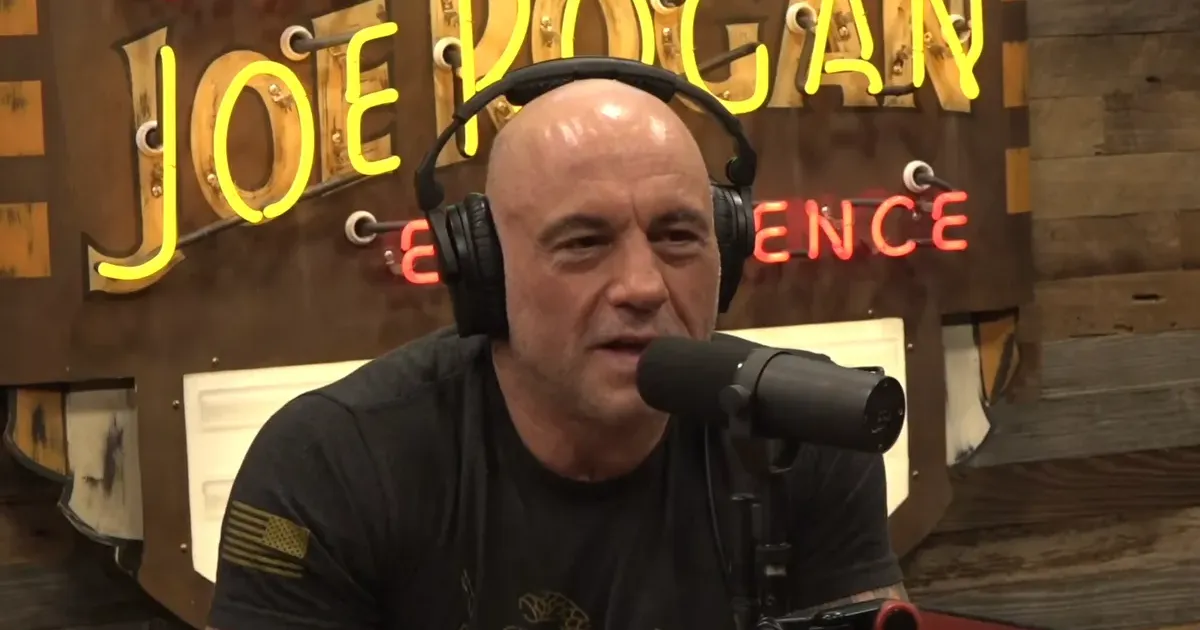
Austin, Texas, serves as an unlikely war room for the American cultural zeitgeist. Joe Rogan sat behind his microphone this week and delivered a blistering critique of the Trump administration's escalating friction with Tehran. His words carried the pressure of a populist base that appears increasingly weary of foreign entanglements. Rogan labeled the current trajectory toward conflict as insane, suggesting such a path could ignite a third world war. His commentary focused specifically on the age of modern political leadership, a theme that has resonated across the American electorate throughout 2026.

Death is imminent for old leaders, Rogan remarked during his broadcast. He argued that figures nearing the end of their lives may lack the necessary restraint when making decisions that could end the lives of millions. Such a blunt assessment targets the heart of the Republican party's internal divide between traditional hawks and the isolationist MAGA wing. While the White House continues to project strength through sanctions and military posturing, the digital town square is vibrating with dissent. Rogan's platform reaches a demographic that Donald Trump relied upon heavily for his political resurrection, making this specific criticism a significant hurdle for the administration's messaging.

Voters are listening.

Public opinion is shifting as the reality of a Persian Gulf conflict moves from theoretical to imminent. Rogan's assertion that the current policy is a reckless gamble reflects a broader anxiety regarding the durability of American global influence. He pointed out that the risks involved in a direct confrontation with Iran far outweigh the perceived strategic benefits. For a president who campaigned on ending endless wars, the current buildup presents a glaring contradiction that his supporters are starting to notice.

New Delhi Navigates the Strait of Hormuz

Six thousand miles away, Indian External Affairs Minister S. Jaishankar is practicing a different kind of power. India refuses to be a bystander in a conflict that threatens its core economic interests. Jaishankar held three urgent conversations with his Iranian counterpart over the last week. These high-level talks focused on a singular goal: ensuring the safety of Indian-flagged vessels passing through the Strait of Hormuz. Iran reportedly provided assurances that Indian ships would be granted safe passage, a diplomatic victory that highlights New Delhi’s unique position as a global mediator.

Energy security remains the primary driver of India's outreach. Nearly 80 percent of the nation's oil imports pass through the Middle East, making any disruption in the Gulf a direct threat to the Indian economy. Jaishankar's proactive diplomacy contrasts sharply with the escalatory rhetoric coming out of Washington. By maintaining a direct line to Tehran, India is shielding its domestic markets from the volatility that usually accompanies Western-led sanctions. This bilateral channel allows India to protect its tankers without officially breaking ranks with its partners in the Quad.

Strategic autonomy is the phrase often used in the corridors of power in New Delhi. It means refusing to choose sides when the choice itself is detrimental to national survival. Jaishankar’s three phone calls prove that India is willing to engage with any actor to preserve the flow of crude oil. While Bloomberg suggests that the U.S. is pressuring allies to isolate Iran, Reuters sources indicate that India has made it clear that its maritime safety is non-negotiable. This pragmatism ensures that the lights stay on in Mumbai even as the threat of fire looms over the Gulf.

Arab Capitals Break Their Silence

Regional dynamics are also evolving at the United Nations in New York. Saudi Arabia and the United Arab Emirates issued a joint condemnation of Iranian military actions ahead of a critical Security Council meeting. This coordinated move by Riyadh and Abu Dhabi indicates a departure from the more cautious diplomacy seen earlier in the decade. The two Gulf powers are now seeking a firmer international response to what they describe as Iranian provocations. Their ambassadors are lobbying for increased maritime patrols and stricter enforcement of existing naval protocols.

Tensions reached a breaking point last Tuesday when maritime incidents near the coast of Oman sparked fears of a wider blockade. Saudi officials expressed concern that the security of global energy supply chains is being held hostage by Tehran's regional ambitions. The UAE, which has long positioned itself as a global hub for trade and finance, sees the instability as a threat to its post-oil economic diversification plans. Both nations are now calling for the UN to take a more active role in de-escalating the naval theater while simultaneously demanding accountability for recent attacks.

Unity is rare in Middle Eastern politics.

The joint statement at the UN suggests that the threat perception in the Gulf has unified historical rivals. Saudi Arabia and the UAE are no longer content to wait for a Western security umbrella that feels increasingly porous. Their diplomatic offensive is designed to force the international community into a more coherent strategy. They want a regional security architecture that does not rely solely on the whims of whoever occupies the White House. Such a shift indicates that the Gulf states are maturing into independent geopolitical actors capable of steering the global conversation.

The Math of Modern Warfare

Crude oil prices fluctuated wildly as news of the diplomatic friction spread through trading floors in London and New York. Analysts at major financial institutions are recalculating the cost of a sustained blockade in the Strait of Hormuz. A 10 percent reduction in global supply would likely push prices above 150 dollars per barrel within weeks. That economic reality serves as the backdrop for the political drama unfolding in Austin, New Delhi, and Riyadh. The cost of war is no longer measured only in lives but in the total collapse of the global logistics network.

The math doesn't add up.

Washington remains committed to a policy of maximum pressure, yet the global appetite for such a strategy is waning. Rogan’s critique highlights the domestic political cost, while Jaishankar’s diplomacy illustrates the international bypasses that make sanctions less effective. If India can secure safe passage for its tankers through direct negotiation, the U.S. effort to isolate Iran becomes a localized endeavor rather than a global consensus. That fragmentation of the international order makes the current situation far more dangerous than previous standoffs in the region.

The Elite Tribune Perspective

Obsession with stability usually leads to the very chaos it seeks to avoid. Washington’s current trajectory with Iran is an exercise in the sunk-cost fallacy, where the U.S. continues to pour diplomatic and military capital into a strategy that has failed to yield results for five decades. Joe Rogan’s critique of the old guard is not merely podcast fodder; it is a warning that the generational divide in American politics has reached a terminal point. Young men are not interested in dying for a map they don't understand, and the populist base that Trump claims to represent is increasingly allergic to the smell of gunpowder.

India is the only adult in the room. By engaging directly with Tehran, Jaishankar has shown that pragmatism beats posturing every time. The U.S. continues to treat the Middle East like a 20th-century chessboard, ignoring the fact that players like India and the UAE have already moved on to a different game. If the Trump administration continues to ignore the domestic fatigue expressed by Rogan and the international reality presented by India, it will find itself presiding over a conflict that no one wants and no one can win. The era of the American security guarantee is over, and the sooner the White House realizes it, the safer the world will be.