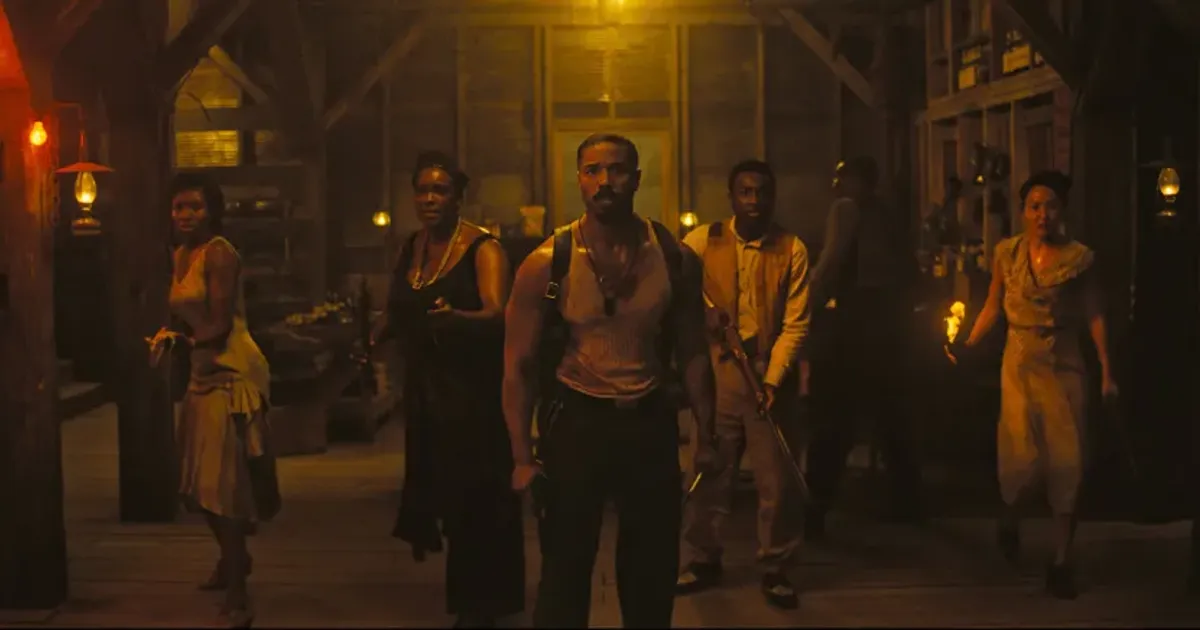
Ryan Coogler’s bayou sets for Sinners put production design at the center of the film’s Southern Gothic mood. By March 12, 2026, the production choice had become part of the film economy story.
Louisiana Bayou Serves as the Heart of Southern Gothic Horror
Louisiana's moss-draped cypress trees and murky waters provided the backdrop for Ryan Coogler's latest cinematic venture. The film location choice carried commercial weight. Sinners, a film that blends supernatural elements with the harsh realities of the Jim Crow South, relies heavily on its environment to build tension. Hannah Beachler, the Academy Award-winning production designer known for her work on Black Panther, took the lead in transforming the Bayou into a haunting 1930s stage. Her approach goes beyond simple set construction, focusing instead on the psychological interplay between the characters and their surroundings. Working in the deep south required an intimate understanding of both the geography and the historical trauma embedded in the soil. Beachler and Coogler have a long history of collaboration, yet Sinners pushed their partnership into a darker, more atmospheric territory. The production utilized various locations across the state, including the Atchafalaya Basin and several historic districts near New Orleans. These sites were chosen not just for their beauty, but for their ability to evoke a sense of isolation and impending doom. By choosing real locations over soundstages, the team captured the oppressive humidity and the specific, filtered light that defines the Louisiana wetlands. Every frame seems to sweat, reflecting the internal pressure cooked up by the script. Atmosphere becomes a character in its own right.
Construction of the 1930s sets involved meticulous research into the architectural vernacular of the Great Depression era. Beachler's team sourced reclaimed wood and period-accurate materials to ensure that every structure looked weathered by both time and the elements. This decision to center physical builds over digital environments allowed the actors, including Michael B. Jordan, to inhabit a tangible world. They moved through rooms that felt damp and walked on floors that creaked with historical weight. Such tactile details are essential for a genre like Southern Gothic, where the house or the town often feels like a living, breathing entity with its own malevolent intent.
Designing for the Jim Crow Era
Historical accuracy in Sinners serves a dual purpose. It establishes the era and grounding for the supernatural horrors that eventually emerge. Beachler looked at archival photographs from the Farm Security Administration to understand the textures of poverty and resilience in rural Louisiana. She wanted the sets to feel lived-in, featuring layers of peeling wallpaper and rusted iron that tell a story of neglect. The color palette remains grounded in organic tones, utilizing moss greens, ochre, and the deep, bruising purples of a Bayou sunset. These choices create a visual continuity that binds the supernatural elements to the physical reality of 1930s racial segregation.
Authenticity demanded more than digital effects.
Filming in the Bayou presented significant logistical hurdles for the crew. Transporting heavy equipment into swampy terrain required specialized barges and a constant battle against the rising tides. While some productions might shy away from such environments, Beachler embraced the chaos. The unpredictability of the weather added a layer of grit that cannot be replicated in a controlled studio. Rainstorms often paused filming, but they also left behind a mist that perfectly complemented the film's eerie tone. This environment forced the production to adapt, resulting in a visual style that feels raw and unpolished.
Louisiana's film tax incentives played a role in bringing Sinners to the region, continuing a trend that has made the state a hub for major studio releases. Local artisans and crew members were instrumental in the build process, bringing a native understanding of the local flora and construction techniques. The presence of a high-profile production in 2026 provides a boost to the local economy, though it also sparks conversations about the ethics of using historic plantations and sites of past suffering for entertainment. Coogler and Beachler addressed these concerns by ensuring the narrative remains centered on the perspective of those who inhabited these spaces under duress.
This visual language extends to the costumes and props, which were designed to feel like extensions of the sets. Every item, from a tattered porch chair to a vintage kerosene lamp, was vetted for its period accuracy and its ability to contribute to the overall mood. The production design does not just decorate a scene; it dictates the pacing. In many sequences, the camera lingers on the environment, allowing the audience to absorb the details of the decay. Such a focus ensures that when the horror elements finally arrive, they feel earned and integrated into the world Beachler has built.
Creativity in the production design department also involved some clever trickery to hide modern infrastructure. Louisiana's wetlands are often crisscrossed by power lines and modern pipelines, necessitating careful framing and the occasional use of period-correct camouflage. Beachler's team constructed false facades and moved entire trees to maintain the illusion of a world untouched by the late 20th century. Such dedication to the craft is what separates a standard thriller from a true work of Southern Gothic art. The final product is proof of the idea that a location is never just a place; it is a repository of memory.
The visual cohesion is what defines the Beachler-Coogler aesthetic. They understand that for a story about sin and salvation to resonate, the world it inhabits must feel as old as the concepts themselves. By immersing the production in the literal mud of the Louisiana Bayou, they have created a film that feels rooted in the earth. The result is a cinematic experience that is as beautiful as it is unsettling, proving once again that some stories can only be told in the places where they were born.
Production Location Readout
The location decision gives the film a production identity that is harder to fake on a soundstage. A Louisiana bayou setting can shape texture, labor spending and the cultural tone of the finished movie.
That also makes the business side visible. Local crews, permits, lodging and regional vendors all become part of the value created by a major studio production choosing a specific place.