The injury theory had become a workplace question for the franchise. Team officials had faced repeated questions from players, fans, and local media about the practice-site environment. San Francisco 49ers executives confirmed on March 30, 2026, that an exhaustive scientific investigation has successfully debunked enduring theories linking a nearby electrical substation to player injuries. Scientists hired by the organization conducted months of environmental testing at the SAP Performance Facility to determine if electromagnetic fields were impacting athlete health. Results released today indicate that radiation levels at the practice site remain well below international safety thresholds. These findings effectively terminate a narrative that had gained meaningful traction among fans and local media during recent seasons of high injury rates.
Physical proximity between the team's training grounds and the huge power infrastructure in Santa Clara created a source of health concerns. Critics frequently pointed to the enormous transformers located just yards from the practice fields as a potential source of physiological stress or cellular interference. Specialized sensors placed throughout the facility measured ionizing and non-ionizing radiation over a full fiscal quarter. Engineers found that the shielding around the substation prevented any serious energy leakage into the playing areas.
Levi's Stadium Infrastructure and Magnetic Field Risks
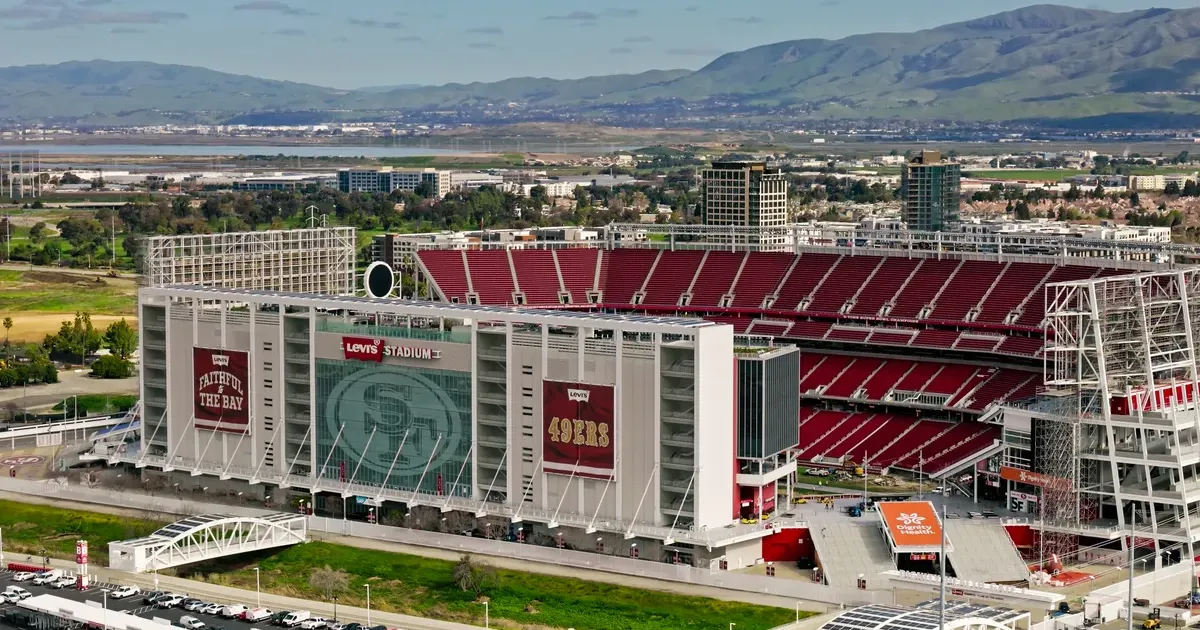
Electricity remains a primary concern for high-performance training environments located in dense urban corridors. Large-scale substations like the one adjacent to Levi's Stadium are designed to handle large loads, often generating concerns about electromagnetic interference. Independent researchers monitored the 49ers' practice sessions to see if heavy power usage during stadium events affected the practice field environment. Every data point collected during the peak of the 2025 season showed no deviation from background levels found in residential neighborhoods. The team, however, felt compelled to address the rumors to reassure current players and potential free agents.
Occupational health standards were the benchmark for this particular study. Analysts compared the 49ers' environment to other professional sports facilities situated near industrial zones. Results suggested that the magnetic flux density at the Santa Clara site was indistinguishable from that of the training facilities used by several other West Coast teams. This thoroughness was intended to provide a definitive answer to a question that had started to affect locker room morale. Professional athletes often look for external explanations when recovery times lag or soft-tissue injuries become frequent.
The electrical substation injury theory surrounding the 49ers no longer has a pulse.
The summary of findings released by the scientific team framed the conclusion as definitive rather than provisional.
Direct measurements of the soil and air quality around the substation also yielded negative results for heavy metal contamination or ozone buildup. These secondary factors are sometimes associated with aging electrical infrastructure but were absent in this case. Maintenance records from the local utility company confirmed that the substation had undergone several upgrades since the stadium opened. Such technical diligence ensured that the infrastructure met modern safety codes and environmental regulations. Players can now focus on their physical preparation without the distraction of environmental health rumors.
Independent Scientific Evaluation of Practice Facility Hazards
Data from the investigation suggests that the injury spikes observed in 2024 and 2025 were likely statistical anomalies or related to other training variables. Strength and conditioning coaches have already begun reviewing workload management protocols to find alternative explanations for the previous seasons' struggles. Proximity to power lines has been studied in various contexts over the decades, yet the consensus in the scientific community rarely finds a link to the specific types of musculoskeletal injuries common in the NFL. The report highlights that no peer-reviewed evidence supports the idea that electromagnetic fields can cause ACL tears or hamstring strains. Broader investigations into MLB injury trends often provide important context for physical health challenges in professional sports.
Management officials emphasized their commitment to player safety during the reveal of these findings. Hiring an outside scientist was a strategic move to ensure the validity of the data was not questioned by the players' union. Labor representatives had reportedly expressed private concerns about the facility after several high-profile starters suffered non-contact injuries on the practice turf. Verification of the site's safety may help the team avoid future grievances related to workplace hazards. Environmental safety is now a standard part of the team's annual facility audit.
Evidence of this nature typically ends the cycle of speculation.
NFL Injury Trends and Santa Clara Environmental Factors
San Francisco ownership spent approximately $500,000 on this full study to protect the brand's reputation. Rumors about the substation had reached a level where agents were reportedly asking about the facility during contract negotiations. Clear communication regarding the safety of the SAP Performance Facility was necessary to maintain the team's competitive edge in the market. Other franchises have faced similar scrutiny over turf quality or local climate conditions, but the substation theory was unique to the Santa Clara geography. The conclusion of this study allows the front office to shift its focus back to the upcoming draft and roster construction.
Modern stadiums are increasingly built in repurposed industrial zones where utility infrastructure is prevalent. Team officials believe that their proactive approach could serve as a model for other organizations facing similar environmental skepticism. While $500,000 is a small fraction of the team's operating budget, the investment in scientific clarity was viewed as a requirement for long-term stability. Documentation from the study will be archived and updated as local utility needs evolve. Safety protocols at the site will continue to include periodic monitoring of all environmental factors.
Reliable data has finally silenced the critics of the Santa Clara layout.