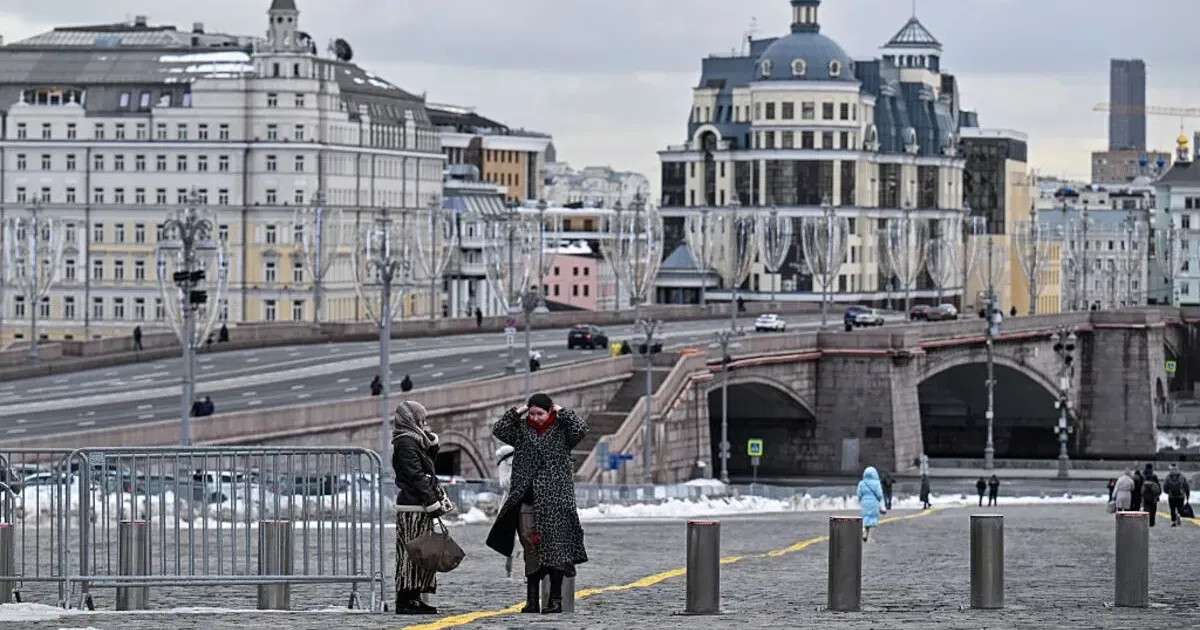
Saudi Arabia secures tanker fleet to bypass Hormuz as Russia initiates surprise budget cuts despite rising oil revenues from the ongoing Iranian conflict.
◆
Key Points
☼ AI-Generated Summary
◆Russia is implementing strict budget cuts to lower its deficit despite a surge in oil revenues.
◆Saudi Arabia is aggressively booking tankers to move crude from Red Sea ports as a workaround for the closed Strait of Hormuz.
◆Ship chartering rates and insurance premiums have soared due to the regional conflict and maritime risks.
◆Global energy markets are pricing in a long-term risk premium as supply routes become increasingly fragile.
Share
Moscow Chooses Austerity Over Expansion
Moscow bureaucrats are rewriting the Russian fiscal playbook tonight. Even with the conflict involving Iran driving crude prices to multi-year highs, the Russian Finance Ministry has made the counterintuitive decision to slash domestic spending. Such a move reveals a deep-seated anxiety regarding the long-term sustainability of the Russian economy. Rather than fueling the war machine with fresh debt, the Kremlin is prioritizing a reduction in its widening budget deficit. Officials fear that relying on volatile oil premiums could leave the national treasury vulnerable if prices suddenly collapse. Higher tax receipts from expensive oil exports are being redirected to stabilize the ruble and strengthen currency reserves instead of funding social programs or infrastructure projects. Economic planners in Moscow realize that borrowing costs have become prohibitively expensive. This fiscal tightening acts as a defensive shield against Western sanctions that continue to restrict Russian access to international capital markets. Analysts at Bloomberg Economics note that the government is desperate to avoid an inflationary spiral that could destabilize the domestic front. Russia is playing a long game of fiscal survival. Every extra dollar earned from the current price spike is being hoarded. Russian leadership appears convinced that the energy windfall is a fleeting gift. Investors watching the region note that this belt-tightening contradicts the typical behavior of a petrostate during a price boom. Usually, high prices trigger a wave of government largesse. Not this time. By reining in spending now, Russia attempts to insulate itself from the inevitable downturn that follows every geopolitical shock.
Riyadh Redraws the Energy Map
Riyadh is moving with equal urgency but in a different direction. Saudi Arabia is currently orchestrating a logistical feat to bypass the Strait of Hormuz. Because the primary maritime artery for global energy is at a functional standstill, the Saudi national shipping giant Bahri is booking an expansive fleet of tankers at premium rates. These vessels are being directed to the Red Sea coast. Crude oil that once traveled through the Persian Gulf is now being pumped across the peninsula via the East-West Pipeline. Once the oil reaches terminals in Yanbu, it is loaded onto waiting ships for delivery to Europe and North America. Bahri is paying sky-high chartering costs to secure this tonnage. Owners of Very Large Crude Carriers are seeing daily rates jump as the Saudi government outbids commercial rivals for available space. Pipelines are running at maximum capacity to ensure that global supply chains remain unbroken despite the threats emanating from Tehran. Marine insurance premiums for the Persian Gulf have effectively ended commercial traffic for all but the most daring operators. Saudi Arabia is effectively turning its back on its primary eastern exit to secure its role as the world's reliable energy supplier.
Fragile Calculus of Global Supply
Global energy markets are reacting with extreme volatility to these divergent strategies. Crude prices remain elevated because the threat of a wider regional war in the Middle East outweighs the impact of Russian austerity. Traders are focused on the technical challenges of the Saudi workaround. While the East-West Pipeline can move five million barrels per day, it cannot replace the twenty million barrels that usually transit the Strait of Hormuz. Brent crude futures are reflecting a permanent risk premium that was absent just six months ago. Shipping data indicates a massive cluster of tankers waiting outside the Bab el-Mandeb strait. This bottleneck creates its own set of risks. Energy security is no longer a matter of extraction but one of transportation. If the Red Sea terminals face any disruption, the Saudi strategy will fail. Bloomberg Markets sources indicate that the cost of these shipping charters is beginning to erode the profit margins of global refiners. Prices at the pump in London and New York are rising even as production remains steady. Supply is not the issue. Access is the crisis.
Economic Fortresses and Naval Realities
War in the Middle East has forced two of the world’s largest oil producers into survival mode. Russia is building a financial fortress by refusing to spend its gains. Saudi Arabia is building a logistical fortress by moving its entire export operation to the west. Both nations are responding to a reality where the old rules of energy diplomacy no longer apply. Washington is watching these developments with growing concern. Higher energy costs act as a hidden tax on the American consumer, potentially slowing the global recovery. Diplomacy has failed to reopen the Strait of Hormuz. Military escorts for tankers have proven too costly and dangerous for most Western navies. Private shipping companies are taking their cues from Bahri, avoiding the Persian Gulf entirely. Markets are now pricing in a world where the Strait of Hormuz remains closed for months rather than weeks.
The Elite Tribune Perspective
Historians often suggest that empires die of indigestion rather than starvation. In the current energy crisis, we are seeing the opposite. Russia is starving its own domestic economy to prevent a fiscal heart attack, while Saudi Arabia is spending its future to maintain a relevance that the geography of the Persian Gulf once guaranteed for free. The idea that Russia is winning because of high oil prices is a fantasy sold by those who do not look at the balance sheets. A nation that cannot afford to spend its own windfall is a nation in terminal decline. Moscow’s austerity is an admission of weakness, not a sign of strength. It shows a regime that is terrified of its own shadow and the ghost of the 1998 ruble crisis. Saudi Arabia’s frantic ship-buying spree is equally telling. It reveals a kingdom that knows its primary geographic advantage has been neutralized by a medium-sized regional power with a few hundred ballistic missiles. Riyadh is paying a king’s ransom to rent a fleet that should be at its beck and call. The era of cheap, easy energy transport is over. We are entering a period of permanent logistical friction where the cost of moving oil is more important than the cost of pulling it out of the ground. Readers should prepare for a decade where energy security is defined by how many pipelines you can defend and how many tankers you can hide in plain sight. Any belief in a return to the old status quo is a delusion of the highest order.