Corporate Buyers Face a Senate Challenge
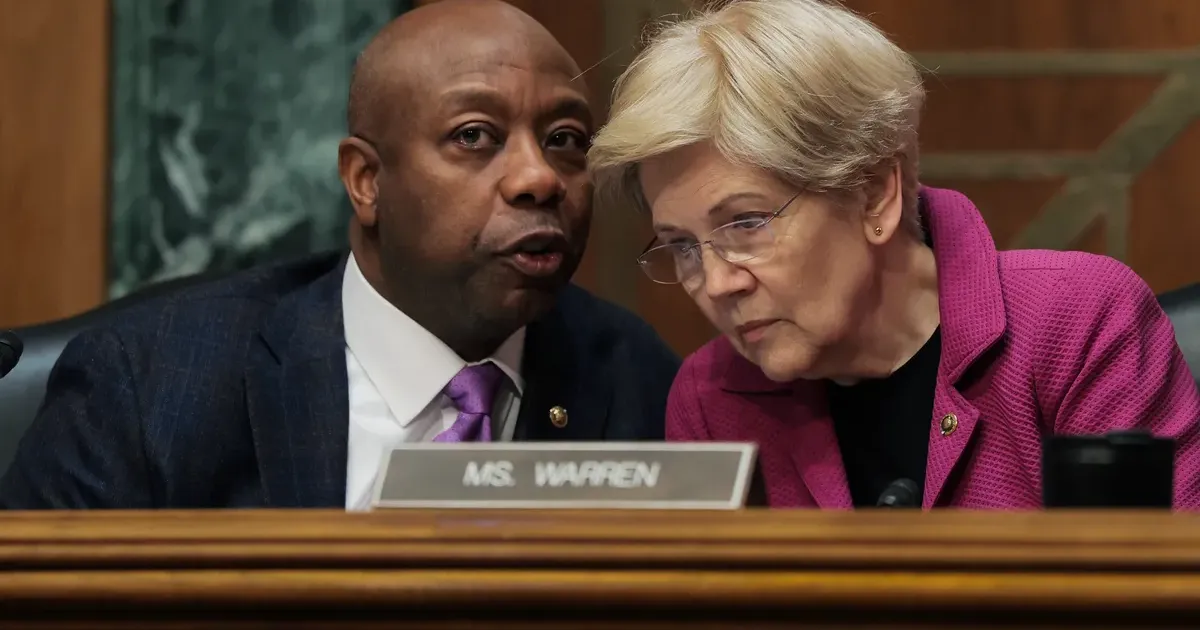
Senators moved with surprising speed to pass a legislative package that aims to dismantle the dominance of institutional investors in the American residential market. Voting 72 to 25, the chamber approved the 21st Century ROAD to Housing Act, a measure that seeks to restore the dream of homeownership by limiting the power of massive financial entities. On March 12, 2026, the Senate housing vote put corporate ownership of single-family homes under direct political scrutiny. Elizabeth Warren, the Massachusetts Democrat, found herself in the unusual company of populist Republicans who have grown increasingly skeptical of Wall Street influence over local communities. Institutional investors such as Blackstone would be prohibited from buying single-family homes under the new rules.
This specific provision addresses a decade-old grievance among middle-class families who have found themselves outbid by all-cash offers from private equity firms. While Bloomberg suggests that such firms only own a small percentage of total housing stock, Reuters' sources in the brokerage industry claim the concentration in specific Sun Belt metros has reached levels that essentially eliminate competition for first-time buyers. Wall Street will not go down without a fight. Legislative language in the bill targets any entity holding more than 100 single-family properties, forcing a gradual divestment over the next ten years. Lawmakers believe that flooding the market with these previously hoarded assets will lower prices naturally.
Republicans who supported the measure demanded a trade-off, securing significant deregulation for developers to balance the restrictions on buyers. These conservative allies argue that the housing crisis is primarily a supply problem caused by restrictive zoning and federal environmental hurdles. Provisions within the act include a streamlined permitting process for multi-family units and a reduction in the time required for environmental impact studies. Conservative firebrands joined Warren because they view the current market as rigged by globalist capital at the expense of the nuclear family. Such an alliance would have been unthinkable five years ago, yet the soaring cost of shelter has rewritten the political playbook in an election year.
Affordability remains the top concern for voters in battleground states, pushing even the most staunch free-market advocates to consider government intervention. Donald Trump has remained largely disinterested in the specifics of the bill, focusing instead on broader economic themes.
Housing Policy Moves Beyond Supply
His lack of a clear endorsement has left some House Republicans hesitant to follow the Senate's lead. House Speaker Mike Johnson faces a fractured caucus where some members view the ban on corporate buyers as an assault on private property rights. The legislative path ahead looks treacherous. The lopsided vote in the Senate does not guarantee a victory in the lower chamber. Affordability experts at various think tanks remain divided on whether the ROAD Act can truly move the needle.
Some analysts point out that banning Blackstone does nothing to address the shortage of five million homes across the United States. If the supply side of the bill is weakened during House negotiations, the entire effort could become a hollow political gesture. Builders remain wary of high interest rates, which still act as a primary deterrent for new construction regardless of regulatory easing. Real estate investment trusts saw their share prices dip slightly in the hours following the vote, though many executives believe the House will gut the most restrictive provisions. Lobbyists have already descended on Capitol Hill to argue that institutional capital provides necessary liquidity to the rental market.
But the Senate's decisive action indicates that the political cost of doing nothing has finally outweighed the benefits of maintaining the status quo. 2026 is shaping up to be a year where populism dictates economic policy more than traditional partisan divides. Critics of the bill emphasize that the definitions of large investors might contain loopholes. For example, a company could theoretically fracture its holdings into hundreds of smaller limited liability companies to stay under the 100-home threshold. Enforcement will fall to the Department of Housing and Urban Development, an agency that already struggles with a massive backlog of inspections and fair housing complaints.
Without a surge in funding for oversight, the ban on corporate buyers might exist only on paper.
The Housing Policy Trap
Why did it take a decade of middle-class erosion for Washington to realize that houses are for living, not for speculative hedging? The sudden bipartisan embrace of the ROAD Act smells less like a genuine concern for the American family and more like a desperate attempt to placate an angry electorate before they reach for their pitchforks in November. Banning Blackstone and its ilk is a convenient populist win, but it ignores the uncomfortable truth that our own local zoning boards have done more to kill the American Dream than any private equity shark ever could. We are being sold a narrative where the villain is a suit in a Manhattan high-rise, which conveniently distracts us from the NIMBY neighbors who block every townhouse or apartment complex in sight. If this bill passes the House without its supply-side teeth, it will merely be a cosmetic fix that does nothing to lower the price of a starter home. Washington is great at finding enemies to tax or ban, but it remains pathetic at building the infrastructure required for a growing nation. Expect the House to dilute the regulatory reforms while keeping the corporate ban, ensuring that supply stays low and political points stay high.