A Political Stalemate with Human Consequences
Capitol Hill corridors felt uncharacteristically hollow Thursday morning as Senate Democrats derailed a fourth attempt to restore funding for the Department of Homeland Security. Forty-six members of the minority caucus stood firm against a Republican-led stopgap measure, ensuring the departmental lapse enters its second month. Security screeners at major hubs like Hartsfield-Jackson and O'Hare are now braced for the reality of working without pay. Transportation Security Administration agents expect to miss their first full paychecks this week, a scenario that union leaders warn will lead to mass call-outs. Short-staffed checkpoints are already causing three-hour delays at Reagan National Airport. The update reached readers on March 12, 2026. Travelers find themselves caught in a legislative tug-of-war that shows no signs of resolution as the mid-March travel rush begins. While Bloomberg suggests the economic hit to the travel industry could reach billions, Reuters sources claim the administration is already looking for ways to redirect funds from other agencies to cover essential services. This decision has ripple effects across the entire national security infrastructure.
Security comes at a price that Congress refuses to pay.
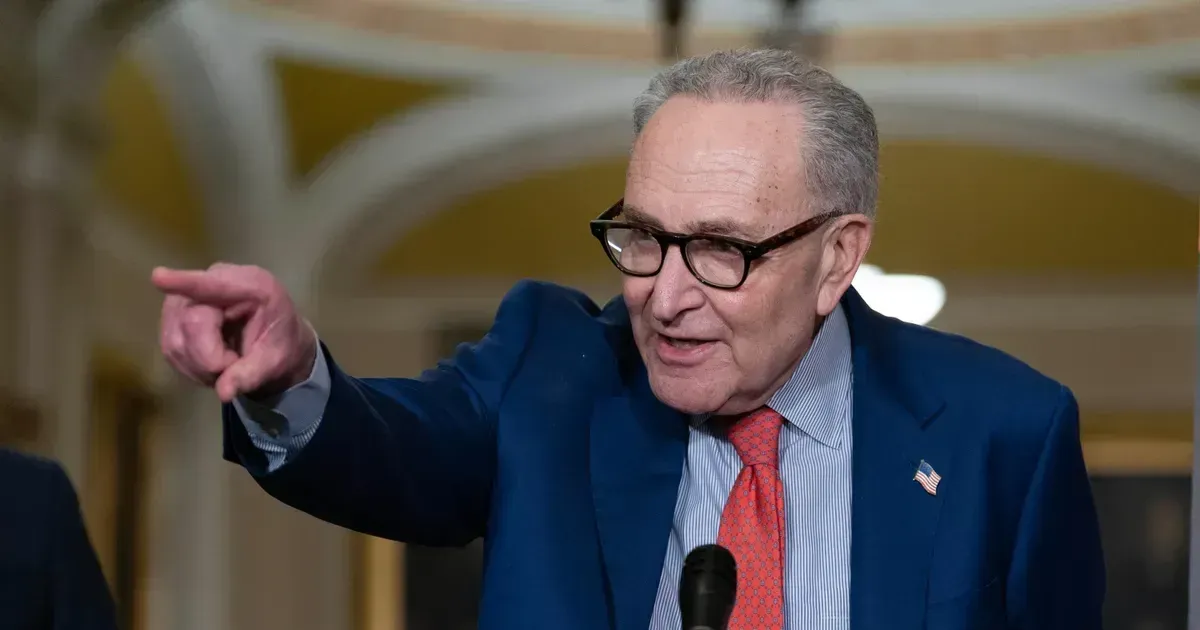
Democrats insist that any funding bill must remove specific restrictions on immigration agents that were inserted by the House. They argue these provisions would strip Immigration and Customs Enforcement of the flexibility needed to manage shifting border priorities in 2026. Republicans contend the restrictions are necessary to ensure the department follows strict deportation guidelines. Senate Minority Leader Chuck Schumer remained defiant after the vote, claiming the bill was a partisan attempt to force a radical border agenda through a necessary spending measure. Across the aisle, GOP leaders accused the opposition of holding national security hostage for political optics. Both sides appear dug in, even as the Coast Guard and the Federal Emergency Management Agency report thinning resources. The stalemate becomes brutally concrete for a single father working the morning shift at JFK who must now choose between gas for his car and groceries for his kitchen.
Aviation experts warn that a prolonged shutdown will eventually degrade the security of the American airspace. Officers working under financial stress are statistically more prone to errors, and the TSA is already struggling with a 15 percent vacancy rate in several high-traffic regions. Long lines at security are not just an inconvenience for vacationers. They represent a significant vulnerability that adversaries could exploit. And the problem extends far beyond the airport terminal. The Coast Guard is currently conducting drug interdiction missions in the Pacific with crews that have not seen a paycheck in weeks. Such operations require precision and focus, traits that are hard to maintain when mortgage payments are looming and bank accounts are empty. The deadlock has essentially turned the nation's front-line defenders into unpaid volunteers.
The Core of the Legislative Friction
Immigration enforcement remains the third rail of American politics, and March 2026 is proving to be the ultimate testing ground for this reality. The specific language in the blocked bill would have restricted the ability of immigration agents to use discretion during processing at the southern border. Democrats view this as a poison pill designed to satisfy hardline constituencies. Republicans see it as the only way to ensure the Department of Homeland Security fulfills its primary mission of border control. Previous shutdowns in 2018 and 2019 lasted over a month, yet they focused on the physical construction of a wall. Today the fight has moved to the personnel level, targeting the very agents tasked with daily enforcement. This is a failure of leadership that transcends party lines.
Market analysts at major banks are already revising growth forecasts for the travel and hospitality sectors. Delta and United stocks dipped three percent on the news of the deadlock, reflecting fears of a sluggish spring break season. If the shutdown persists through the end of March, the cumulative loss to the domestic economy could exceed five billion dollars. Airlines are already seeing a spike in cancellations from business travelers who cannot afford to wait in four-hour TSA lines for a one-hour flight. Still, the political math in the Senate remains frozen. Leaders from both parties spent Thursday afternoon blaming each other on cable news rather than returning to the negotiating table. This trend could jeopardize the safety of millions of Americans.
National security should never be a bargaining chip.
Cybersecurity and Infrastructure Security Agency officials also raised concerns about their ability to defend against foreign hacking attempts. Without a clear budget, new contracts for defensive software are on hold. Maintenance on existing systems is being deferred. Each day the Department of Homeland Security remains partially closed is a day the United States becomes more vulnerable to digital intrusion. The political class in Washington seems disconnected from the reality of the agencies they oversee. While they debate the finer points of legislative text, the people who keep the country running are being forced to take out high-interest payday loans to survive. No one wins in a scenario where the gatekeepers of the nation are treated as disposable assets. And the damage to morale will take years to repair, even after the money starts flowing again.
Funding Hostage Politics
Ask any airport traveler stuck in a three-hour security queue if they care about the nuances of section four of the spending bill. Stop pretending this paralysis is about principle. It is about power, specifically the power to weaponize the Department of Homeland Security as a partisan bludgeon. For two decades, we have watched both parties transform a department meant for national safety into a legislative hostage. This current deadlock is a failure of imagination from a Senate that has forgotten how to govern. If we cannot fund the people who screen our luggage or patrol our coasts without litigating every single grievance about immigration enforcement, then the department itself has become a liability. We should stop acting surprised when the system breaks. It was designed to be this fragile. The American public should be outraged that their safety is being traded for a two-minute clip on a news cycle. A government that cannot pay its guards is a government that has lost the right to lead. Either fix the funding or admit that the security of the nation is secondary to the next election cycle.