The request also keeps pressure on federal agencies, and the pressure for a fuller Epstein record has not eased.
Accountant Denies Knowledge of Financial Red Flags
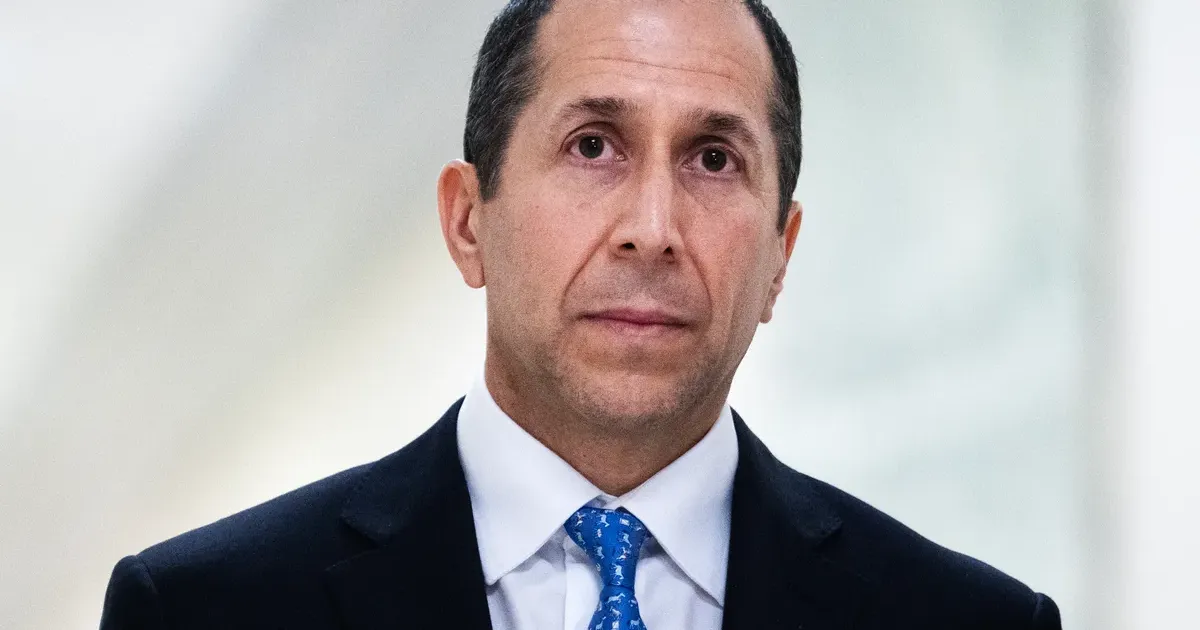
Richard Kahn sat before the House Oversight Committee on March 11, 2026, adjusting his glasses while congressional investigators pressed him on decades of financial management for Jeffrey Epstein. His voice remained steady despite the intense scrutiny of lawmakers who questioned how a professional accountant could oversee hundreds of millions of dollars without noticing criminal activity. Kahn testified that he was not aware of the sex offender's crimes during their long professional association. Every transaction appeared legitimate on the surface, Kahn insisted to the committee members.
Monetary gifts that Epstein distributed to various associates did not raise any internal red flags, according to his testimony.
Lawmakers expressed deep skepticism regarding this level of professional detachment. One representative asked how millions in liquid assets could move through shell companies without triggering a single suspicious activity report from Kahn’s firm. Kahn maintained that his role was limited to tax compliance and balance sheets, rather than moral or criminal oversight. Critics suggest this defense highlights a massive loophole in the financial services sector where accountants can claim ignorance of the source or intent of funds. Records shown during the hearing indicated that Epstein used Kahn for years to manage the complex web of offshore accounts that funded a global trafficking network.
Institutional silence often masks the most uncomfortable truths. Kahn claimed that the specific transfers identified by the FBI in later years were disguised as consulting fees or personal investments. If the documents appeared correct in a technical sense, Kahn felt no obligation to dig further into Epstein’s private life. Such a stance has infuriated survivors and their legal teams who believe the financial enablers were just as responsible as the primary perpetrator. Investigative files suggest that Kahn was the gatekeeper for the Epstein estate, yet he maintains he was entirely in the dark regarding the illicit nature of the enterprise he helped sustain.
Foreign Hacker Uncovers Hidden Evidence in FBI Server
Evidence continues to surface through less conventional channels, revealing the depths of the files the government has kept under seal. A foreign hacker managed to compromise the FBI’s New York field office servers in 2023, stumbling upon a massive cache of Epstein-related material. Discovered files included thousands of images and videos depicting the abuse of minors, much of which had never been disclosed to the public or the victims' lawyers. Discovery of this material reportedly horrified the hacker, who had initially targeted the server for different intelligence purposes. In a move that embarrassed the bureau, the hacker left a taunting message on the server.
Unaware that they had infiltrated a federal law enforcement agency, the hacker threatened to turn the owner of the child abuse content over to the FBI. The hacker believed they had found the private server of a pedophile, not a repository for government evidence. Reports indicate that the New York field office kept these files on a vulnerable server for years without integrating them into the formal prosecution records. This breach exposed not only the sensitive nature of the evidence but also the lax security protocols surrounding the most high-profile sex trafficking case in American history. Justice Department officials have spent years trying to downplay the impact of this leak, but the hacker’s descriptions of the images contradict the official narrative of what evidence was recovered in 2019.
Intelligence experts believe the 2023 breach occurred through a legacy system that had not been patched. Still, the content discovered by the hacker remains a point of contention in 2026. If the FBI possessed these images for years, the delay in identifying additional co-conspirators becomes even more difficult to justify. Many believe the Bureau was sitting on evidence that could have brought down other high-profile figures. The hacker’s message remains a permanent stain on the New York field office’s reputation for competence and transparency.
Senators Challenge Justice Department Redaction Protocols
Four senators took a stand on Wednesday by asking a government watchdog agency to audit the Justice Department. These lawmakers focused on what they termed unlawful redactions within the Epstein case files. The group sent a formal request to the Government Accountability Office to review the protocols and processes used to black out names and details in public releases. Since the 2019 death of the financier, the Justice Department has faced constant pressure to release the full unredacted files. Yet, each subsequent release contains heavy black ink that obscures the identities of powerful individuals associated with the pedophile.
Public trust in the DOJ remains at an all-time low regarding this specific investigation. Senators argue that the redaction process has been weaponized to protect political and business elites rather than victims or ongoing investigations. By auditing the DOJ, the GAO could reveal if the department violated federal transparency laws. Under the Freedom of Information Act, agencies must provide a specific legal justification for every redaction, but lawmakers claim the DOJ has used vague national security or privacy exemptions to hide incriminating data. Accountability remains an elusive target in the halls of the Justice Department.
Transparency advocates have long suspected that the redactions serve a dual purpose of protecting the department from embarrassment while shielding its former informants. Many of the names currently hidden under heavy black bars are rumored to include international heads of state and prominent American CEOs. Once the audit begins, the Justice Department will be forced to explain why certain individuals were granted anonymity while others were exposed. This battle for the truth has lasted nearly seven years, and the Senate’s intervention marks the most significant challenge to the DOJ’s secrecy to date.
Bureaucratic inertia often serves as the last line of defense for a corrupt system. If the GAO finds that the DOJ acted unlawfully, the results could lead to a massive court-ordered unsealing of all Epstein-related documents. Such a move would finally provide the clarity that survivors have demanded since the initial 2008 sweetheart deal in Florida. But the Justice Department is expected to fight the audit every step of the way, citing the sensitivity of the materials and the need to protect the integrity of the few remaining open leads. Still, the pressure from both the House testimony of Kahn and the Senate audit request creates a pincer movement that the department may not be able to escape.
Transparency Stakes
Does anyone truly believe that a sophisticated global trafficking network operated for decades because of a series of unfortunate clerical errors? The reality is far more sinister. We are looking at an exercise in institutional protectionism where the Justice Department, the FBI, and the financial sector have formed a defensive perimeter around the ghosts of Jeffrey Epstein. Richard Kahn’s testimony before the House is the perfect example of the willful blindness that defines the American elite. An accountant of his caliber does not simply miss millions of dollars in suspicious gifts unless he is paid to look the other way. Meanwhile, the FBI’s New York field office has the audacity to act like the victim of a hack when they were caught hoarding evidence that should have been used to prosecute Epstein’s associates years ago. The redactions the Senate is now investigating are not about protecting victims. They are about protecting the system itself from a collapse of public confidence. If the names under those black bars were ever revealed, the resulting scandal would likely decapitate half of the current geopolitical hierarchy. The Justice Department is not hiding the truth to protect the law; they are hiding it to protect themselves.