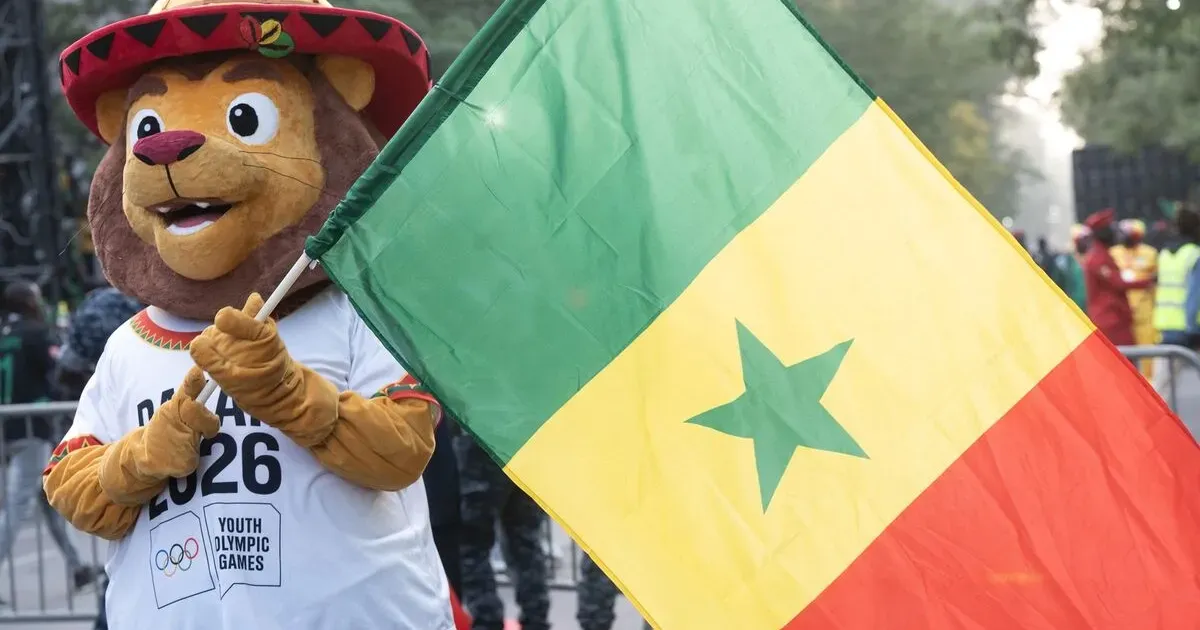
Senegal is trying to keep Olympic construction on schedule as unpaid contractors test public confidence in state delivery. The Senegal Olympic contractor debt payment followed on March 12, 2026.
Senegal is racing to settle contractor debts before Olympic construction delays become a public test of state credibility.
Senegal Moves to Clear Contractor Debts
Ousmane Sonko issued a stern directive to his finance ministry this week, demanding the immediate settlement of outstanding invoices for contractors working on Dakar's massive infrastructure overhaul. Concrete skeletons and idle cranes now define the city's coastal skyline, a silent proof of the financial bottleneck paralyzing the continent's most anticipated sporting project. Senegal is preparing to host the 2026 Youth Olympic Games, which will be the first Olympic event ever held on African soil. Construction crews walked off several sites along the capital's western Corniche earlier this month, citing months of unpaid labor and material costs. These delays threaten a centerpiece of the government's urban renewal strategy, which aims to transform the city's waterfront into a world-class pedestrian and athletic corridor.
Prime Minister Sonko, who took office with a mandate to scrutinize public spending, now finds himself in the difficult position of balancing fiscal discipline with the absolute necessity of international prestige. Failure to meet these obligations could jeopardize the 2026 timeline. Senegal originally expected to host the games in 2022, but the global pandemic forced a four-year postponement. That delay provided a temporary reprieve for the national budget, yet the intervening years saw a sharp rise in the cost of raw materials like steel and cement. International firms, many of which are headquartered in Europe and China, have grown increasingly vocal about the risks of continuing work without liquidity.
While the International Olympic Committee remains publicly supportive of Dakar's efforts, private reports suggest growing anxiety in Lausanne regarding the pace of facility upgrades. Financial records indicate that the funding gap stems from a complex web of state subsidies and delayed foreign investment tranches.
The scramble showed how quickly unpaid invoices can become a credibility test for major public projects.
Olympic Projects Need Trust
Government officials admit that the transition between administrations in 2024 led to a temporary freeze on many large-scale payments as new auditors reviewed the books. Such a pause proved disastrous for smaller local subcontractors who operate on thin margins and lack the credit lines to withstand prolonged payment cycles. Renewing the Iba Mar Diop Stadium serves as the primary focus of the athletic renovations. Designers planned for the venue to be stripped to its foundations and rebuilt with modern capacity and technology, yet current progress has slowed to a crawl. Beyond the sports venues, the larger urban project includes the 'Dakar en Face de la Mer' initiative.
This specific waterfront zone is intended to provide public green spaces and modern transit links, serving as a permanent improvement for the city's three million residents long after the athletes depart. National pride remains the primary driver behind the push to settle these debts. Senegalese taxpayers have been told for years that the 2026 Games would be the moment the country proved its operational maturity to the world. A half-finished waterfront or a series of empty, fenced-off construction sites would deliver a blow to the nation's brand that could take decades to repair. Critics of the current spending levels argue that the money could be better spent on rural healthcare or education, but the Sonko administration appears committed to the 'Plan Senegal Emergent' framework established by the previous government.
Global lenders like the International Monetary Fund have recently pressured Senegal to lower its debt-to-GDP ratio, adding another layer of difficulty to the Olympic funding crisis. Balancing the demands of international creditors against the contractual needs of builders requires a delicate hand.
Payment Delays Carry Political Cost
If the government fails to release the funds this month, several major engineering firms have threatened to invoke force majeure clauses, which would likely push the completion of the Olympic Village in Diamniadio well into late 2026. Laborers at the waterfront sites have begun small protests, demanding not just their back pay but also clarity on future employment stability. Many of these workers migrated from rural provinces to Dakar specifically for the Olympic construction boom. Their displacement or unemployment would create a secondary social crisis that the Prime Minister is keen to avoid. Public statements from the Ministry of Finance suggest that a special emergency fund will be unlocked by Friday to address the most critical arrears.
Money must move now. Regional competitors in the sports tourism sector, including Morocco and South Africa, are watching the situation closely. Senegal's success is widely viewed as a test case for whether other African nations can realistically bid for the Summer or Winter Olympics in the future. Any significant failure in Dakar would likely discourage the International Olympic Committee from returning to the continent for another generation. Because of this, the pressure on Sonko is not just local but continental in scope.
Infrastructure Promises Need Cash Behind Them
Senegal's prime minister ordered payment of debts owed to Olympic contractors to protect confidence in major sports and infrastructure projects. Delayed payments can damage suppliers, timelines and government credibility, while unpaid contractors can slow construction, raise costs and undermine trust in public project management.
Major events are sold as national showcases, but contractors judge them by invoices. If payment discipline fails, the ceremony of development starts to look like ordinary fiscal strain in a louder costume.