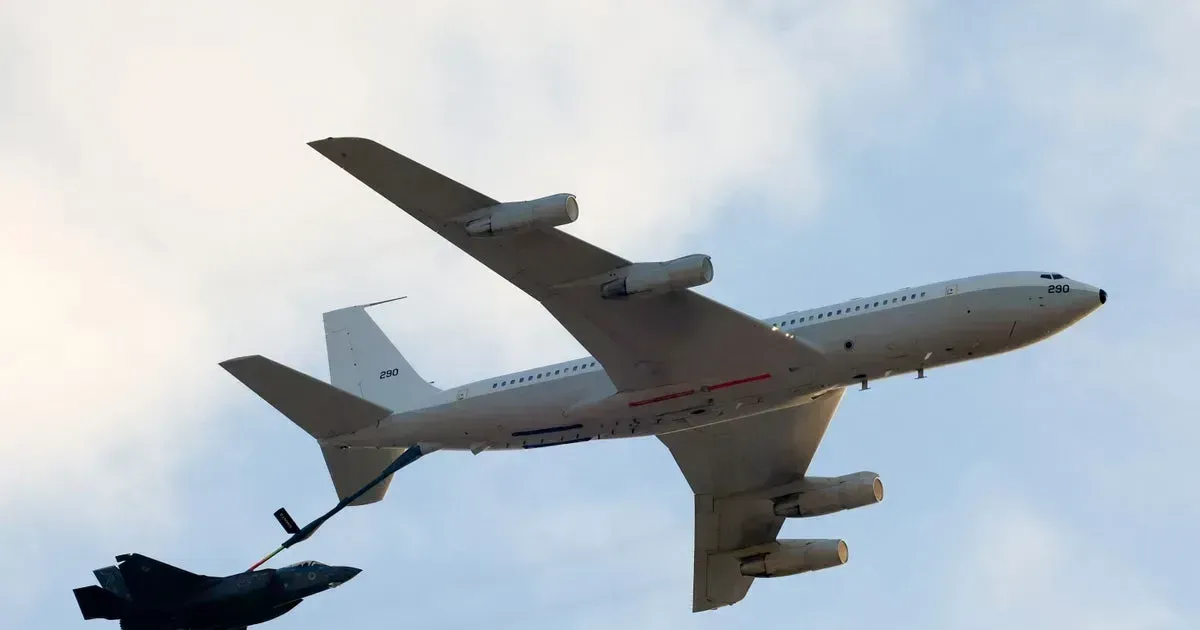
A KC-135 crash in western Iraq left six personnel missing and triggered a search operation in one of the region's most tense military corridors. The incident was reported on March 12, 2026, as US Central Command and partner forces moved aircraft and ground teams toward the suspected crash area. The aircraft's refueling role gives the case immediate operational significance. KC-135 tankers are not front-line fighters, but they are central to modern air campaigns. They keep patrols airborne, extend strike ranges and support evacuation or surveillance missions. Losing one can disrupt planning even before the cause is known.
Search Conditions Are Difficult
Western Iraq presents harsh terrain, long distances and security concerns that can slow rescue efforts. Search teams must balance speed with the risk of hostile activity, unexploded debris and limited visibility. If the crash site is near contested routes, recovery crews may need air cover and careful coordination with local partners. KC-135 aircraft are large and usually leave a visible debris field, but that does not make recovery simple. Fuel, fire, impact damage and weather can complicate evidence preservation and the search for survivors.
The Missing Personnel Drive the Mission
The priority remains locating the six missing personnel. Military search operations typically combine aerial surveillance, signals analysis, last-known-position data and ground sweeps. Families will receive information through official channels, which can make public updates slower than speculation online. Commanders also have to protect the integrity of the investigation. Early assumptions about mechanical failure, hostile fire or pilot error can be wrong. The first confirmed facts usually involve location, aircraft identity, crew status and whether any emergency signal was detected.
US officials said search and recovery teams were operating while the cause of the crash remained under investigation.
Regional Tension Raises the Stakes
The crash comes during a period of heightened alert around Iran, Iraq and Gulf military operations. That context does not prove the aircraft was attacked. It does mean every incident involving US personnel will be read through the possibility of escalation. If investigators find evidence of hostile action, the crash could become a diplomatic and military flashpoint. If the cause is mechanical or operational, the questions will shift toward aircraft age, maintenance and mission tempo. The KC-135 fleet has served for decades, and sustainment pressure is a constant issue.
Recovery Will Shape the Next Answers
The investigation will need flight data, maintenance records, communications and debris analysis. Recovery of personnel and key aircraft components may take time, especially if the site is remote or insecure. Until then, officials will likely avoid firm conclusions. For the military, the immediate task is narrow and urgent: find the missing, secure the site and establish what happened. The broader strategic meaning will depend on facts not yet public. In a region already close to the edge, that distinction matters. The aircraft's mission history will be part of the inquiry. Investigators will examine whether it was supporting combat operations, transport movements, surveillance flights or contingency planning. That context can help explain fuel load, route, altitude and why the aircraft was operating in that area.
Maintenance records will receive close attention because tanker fleets are old and heavily used. Age alone does not explain a crash, but older aircraft demand rigorous inspection. Any pattern involving engines, structural fatigue or avionics would have implications beyond one incident.
Weather may also matter. Desert operations can involve dust, wind, heat and visibility changes that complicate flight and recovery. Investigators will compare conditions with pilot communications and radar data before drawing conclusions.
The missing personnel remain the human center of the story. Military families often endure long periods of partial information while search teams work. Public patience is difficult, but premature claims can make that uncertainty worse.
If wreckage is recovered in a sensitive area, security forces will have to protect both evidence and recovery crews. Crash sites can attract militias, local opportunists or media attention, and any interference can slow the investigation.
The outcome could shape future tanker operations in the region. Commanders may review routes, escort procedures, emergency beacons and recovery plans. Even if the cause is mechanical, the response will influence how risk is managed across the theater.
Allied governments will watch the updates because tanker operations often support coalition activity, not only US missions. A disruption to aerial refueling can affect patrol coverage, response times and the confidence of partners who depend on American logistics.
The investigation may take weeks even if the site is found quickly. Military crash inquiries are designed to identify causes, not simply assign blame. That means technical evidence, command decisions and environmental factors all have to be weighed together.
The crash also has morale implications across deployed units. Service members understand operational risk, but uncertainty around missing personnel weighs heavily on crews who continue flying. Commanders must keep missions moving while giving units enough information and support to process the loss. That balance is part of military leadership during an active search.