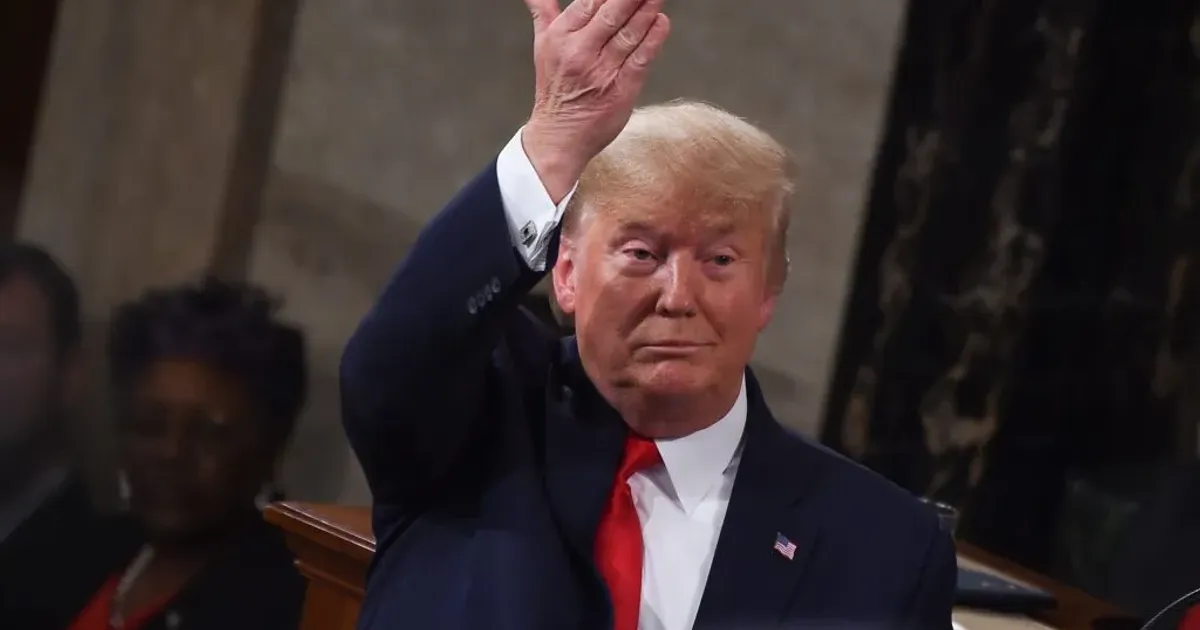
Spanish leaders’ criticism of EU deference to Trump policy has exposed a sharper split inside Europe’s foreign-policy debate.
A Continental Rift Deepens Over Washington
The diplomatic dispute had been widening for weeks. Geneva, Switzerland became the unlikely epicenter of a diplomatic earthquake on March 12, 2026, when a United Nations watchdog released a blistering condemnation of American domestic and foreign policy. Eighteen independent experts representing the UN Committee on the Elimination of Racial Discrimination (CERD) issued a report that directly implicated President Donald Trump in the erosion of human rights. The document claims that intensified immigration crackdowns and presidential rhetoric have sparked grave violations against minority populations within the United States. Such a direct targeting of a sitting American president by a UN body has no modern precedent, signaling a total collapse of the traditional decorum that once governed relations between Washington and the global assembly. Critics within the committee highlighted what they described as the dissemination of negative and harmful stereotypes targeting migrants, refugees, and asylum seekers. The report argues that portraying these groups as a burden or as criminals, particularly from the bully pulpit of the White House, incites racial discrimination and potential hate crimes. According to the findings, Immigration and Customs Enforcement (ICE) and Customs and Border Protection have engaged in a systematic use of racial profiling. These agencies allegedly conducted arbitrary identity checks against individuals of Latino, African, and Asian origin, creating an atmosphere of fear that the UN panel deems incompatible with international law. White House spokesperson Olivia Wales dismissed the findings in a sharp email sent Wednesday afternoon. She characterized the United Nations as an organization defined by extreme bias, asserting that its lack of objectivity explains why it has lost its international standing. Wales pivoted the conversation toward domestic success, noting that President Trump has delivered on his promise to secure the nation. She pointed to a murder rate that has reached a 125-year low and claimed the border is the most secure it has ever been in American history. This defense mirrors the administration's long-standing strategy of prioritizing internal safety metrics over international bureaucratic critiques.
European Discontent Reaches a Breaking Point
Brussels felt the tremors of this discord as Spain's left-wing Deputy Prime Minister, Yolanda Díaz, launched a scathing critique of the European Union's leadership. In a high-stakes interview, Díaz accused the bloc of being an orphan during a period of historic gravity. Her frustration centers on the perceived weakness of European Commission President Ursula von der Leyen, whom Díaz claims has failed to challenge the White House on its most aggressive maneuvers. The Spanish official argued that Europe has become a hostage to Trump's agenda, particularly regarding the escalating conflict in the Middle East.
Spain remains one of the most vocal critics of the joint U.S.-Israeli military campaign against Iran. Díaz and Prime Minister Pedro Sánchez have consistently labeled the intervention as illegitimate and dangerous. While Washington justifies the strikes as necessary for regional stability, Madrid views them as a violation of the very principles of international law that the UN Charter is supposed to uphold. Díaz also aimed criticism at German Chancellor Friedrich Merz, arguing that European leaders were sacrificing sovereignty to appease the American administration.
Díaz chided German Chancellor Friedrich Merz for paying what she termed homage to Trump, suggesting that European leaders are sacrificing their own sovereignty to appease the American administration.
Europe must decide if it wants to be an economic and social power or a mere satellite of Washington.
Prime Minister Sánchez has assumed the role of Europe's primary antagonist toward the Trump administration, repeatedly denouncing the military intervention in Iran. He argues that the conflict has sparked unnecessary turmoil and invited retaliation from Tehran in the form of missile and drone attacks. The Spanish government believes that the EU leadership's silence on these matters is a betrayal of European citizens who largely oppose the war. Díaz emphasized that the lack of an independent foreign policy makes the bloc vulnerable to the whims of an American president who shows little regard for traditional alliances.
The Breakdown of the Postwar Order
International observers note that the simultaneous pressure from the UN and dissenting European capitals creates a unique challenge for the White House. The CERD report focuses heavily on the domestic application of civil rights, yet its timing aligns perfectly with the geopolitical backlash against American military actions. Experts from the panel expressed deep concern over the growing use of dehumanizing language, suggesting that the rhetoric used to describe migrants at the border is fundamentally linked to the aggressive stance taken against foreign adversaries like Iran. The committee views these as two sides of the same coin: a nationalist policy that rejects multilateral cooperation in favor of unilateral force.
Market analysts suggest that this diplomatic friction could eventually bleed into trade relations. If the EU moves toward the kind of self-defense and fiscal independence that Díaz advocates, the era of frictionless transatlantic commerce might come to an abrupt end. The Spanish Deputy Prime Minister is pushing for a Europe that possesses its own foreign policy and self-defense capabilities, independent of the U.S. security umbrella. Such a shift would require a massive restructuring of NATO and a significant increase in European defense spending, a prospect that has historically divided the continent.
Germany and France have yet to fully align with the Spanish position, though the rhetoric in Berlin and Paris has become increasingly cautious. The German Chancellor's recent efforts to maintain a working relationship with Trump have drawn fire from the left, highlighting a growing internal rift within the EU. While some leaders fear the economic consequences of alienating Washington, others believe that the current path leads to total irrelevance. The UN report provides a moral framework for those who wish to distance themselves from the American administration, citing the racial profiling and hate speech as grounds for a more critical stance.
The math of international diplomacy is changing rapidly.
Internal memos from the White House suggest that the administration is unbothered by the UN's accusations. Officials believe that as long as the domestic crime rates continue to drop and the economy remains resilient, the complaints of Geneva experts and Spanish socialists will have little impact on the American voter. This calculated indifference further inflames leaders like Díaz, who believe that silence in the face of international law violations is no longer an option. The tension between national sovereignty and global accountability has never been more visible than in the current standoff over the Iran conflict and U.S. border policy.
Europe Must Decide Whether It Is a Satellite
Spain's criticism reflects a broader European argument about autonomy. The issue is not only one Trump policy, but whether EU institutions can maintain a distinct position when Washington applies pressure.
That debate will not be settled by statements alone. It will show up in sanctions policy, trade negotiations, defense spending and the willingness of member states to absorb costs for a more independent line.