A bottle honoring former Detroit Tigers star Miguel Cabrera has become a location-specific find for baseball fans visiting Aruba. Miggy XO is a 20-year-old rum produced by Bodegas Papiamento in a limited run of 1,000 bottles. It is sold only at the bodega, turning the purchase into both sports memorabilia and a souvenir tied to the island where travelers discover it.
The connection is not an athlete-owned liquor venture. Bodegas Papiamento founder Franz Sydow, a Tigers fan, created the rum to mark Cabrera's 2012 Triple Crown season. Cabrera approved the use of his name, according to the distillery, but its representatives told Matador Network that they did not know whether he had tried the product.
An Aruba Rum Links Cabrera's Career and Caribbean Geography
Cabrera retired in 2023 after a 21-year Major League Baseball career that included more than 500 home runs and 3,000 hits. He was born in Venezuela, about 15 miles from Aruba at the nearest point. Those details give the bottle a recognizable connection to both Detroit baseball and the southern Caribbean rather than placing a celebrity name on an unrelated destination product.
The collector's set makes that connection visible. It includes a bat-shaped decanter and four glasses engraved with Cabrera's career totals for hits, runs batted in, home runs and doubles. The blue-and-white label carries the name Miggy XO. Sydow explained that XO means “extra old,” referring to the rum's age, rather than a personal sign-off from Cabrera.
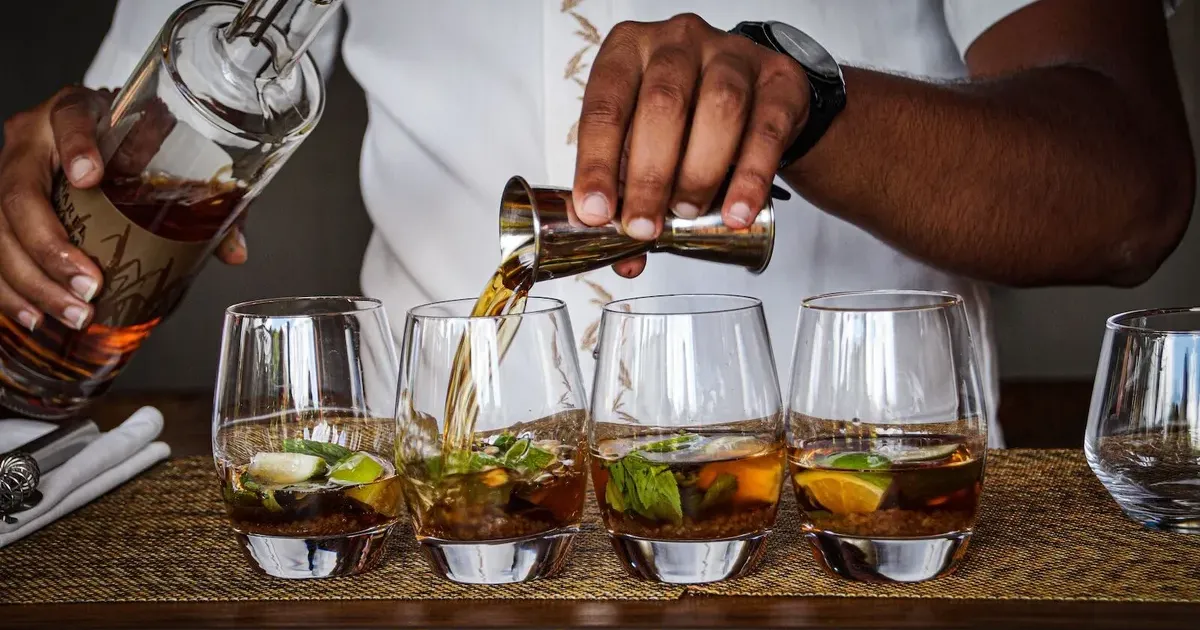
Matador Network encountered the bottle during a rum and chocolate tasting arranged through Radisson Blu Aruba and Bodegas Papiamento. The tasting led the writer to visit the distillery, where the product's limited availability became part of the experience. Unlike a bottle distributed through national retail chains, Miggy XO requires an in-person stop at the bodega.
Limited Runs Give Team-Branded Bottles a Collectible Role
The Aruba release fits a wider pattern of sports-linked beverages built around a team, athlete or career milestone. Matador Network cited EIGHT Elite Light Beer, associated with former Dallas Cowboys quarterback Troy Aikman, as well as Detroit products developed with the Lions and former receiver Nate Burleson. The commercial arrangements differ, so they should not all be described as athlete-owned brands.
A separate example comes from Romero Distilling Company in Calgary. Co-founder Tomas Romero said the distillery's collaboration with WWE Hall of Famer Bret Hart began as a brand-ambassador project. Its first 1,000-bottle limited edition sold out and led to additional releases featuring Hart's autograph and artwork on the packaging. Other arrangements use different structures. Matador Network cited EIGHT Elite Light Beer, whose name refers to former Dallas Cowboys quarterback Troy Aikman's jersey number. The source also identified Detroit products developed through partnerships with the Lions and former receiver Nate Burleson. Together, the examples show why ownership, endorsement and commemorative licensing must be distinguished rather than grouped under one athlete-owned label.
Scarcity matters because many of these products are sold in narrow local markets. A traveler may encounter them at a distillery, tasting room or specialty retailer rather than in a standard duty-free display. That distribution model makes the place of purchase part of the item's history without proving that every buyer is motivated by the same form of fandom.
Licensed therapist Krista Walker told Matador Network that shared sports identities can act as social cues and create a sense of belonging. In a travel setting, a familiar team or player can start a conversation between strangers. The source presents that connection as one reason a themed bottle may attract attention, not as evidence that fans are being manipulated or that product quality is irrelevant.
Miggy XO's appeal can be described without assigning motives to buyers. The bottle has a documented production limit, a specific place of sale, packaging based on Cabrera's records and the player's permission for use of his name. Those facts distinguish it from a generic souvenir. Whether it succeeds beyond its initial run will depend on demand at the bodega and any future releases, while its current significance is narrower: it shows how a local tasting experience can intersect with an athlete's career and a traveler's existing team connection.