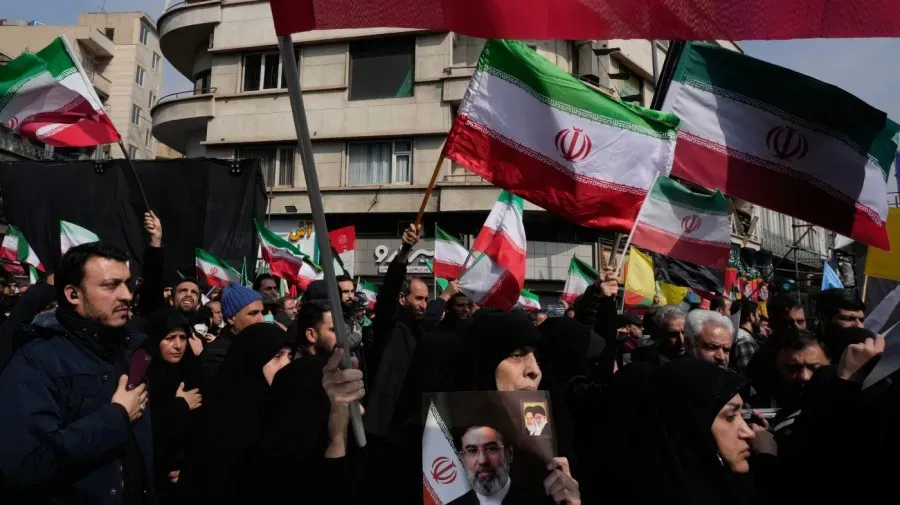
A strike on an Iranian school has pushed the US war debate into a more volatile phase. The military campaign was already politically difficult, but the image of students and civilian families caught in the conflict changed the emotional register of the argument. On March 12, 2026, the domestic question became harder for officials to avoid because the objective and the civilian cost were no longer separate arguments.
Civilian Harm Changes the Frame
Governments often describe military operations through targets, capabilities and deterrence. Voters process them through images, names, schools, hospitals and the fear that a limited campaign is becoming something larger. That is why the Iranian school strike matters politically even before every fact is settled. It forces lawmakers to discuss the human consequences of a strategy that had been presented largely in security terms. Officials may argue that the target set was lawful or that adversaries bear responsibility for the wider crisis. Those arguments do not erase the political burden created by civilian deaths.
Strategy Faces a Credibility Test
The administration's problem is not only moral outrage. It is the perception that the campaign lacks a clearly explained endpoint. Without that endpoint, every new strike can look like momentum rather than strategy. Supporters of the campaign want deterrence and pressure on Tehran. Critics argue that deterrence becomes a slogan if the government cannot say what behavior would allow the military pressure to ease. That uncertainty gives Congress an opening. Lawmakers can demand briefings, votes, legal analysis and civilian-harm reporting, especially if the public mood becomes less tolerant of open-ended action.
Public Opinion Is Uneven
War opinion rarely moves in a straight line. Some voters may accept strikes if they believe the threat is urgent, while others will oppose any escalation that appears to risk a broader regional conflict. The school strike may not create a single national consensus, but it can harden doubts among voters who were already uneasy. It can also make neutral voters ask why the campaign still lacks a simple explanation. Political advisers will watch whether the issue spreads beyond foreign-policy circles. If fuel prices, military casualties or humanitarian images dominate news cycles, the war can become a kitchen-table issue.
Midterm Pressure Builds
The 2026 midterm calendar makes the debate more urgent. Members of Congress facing competitive races will not want to defend a war they cannot describe in concrete terms. That pressure can split both parties. Hawks may call for stronger action, anti-war lawmakers may demand limits and cautious members may seek oversight without appearing weak on security. The administration still has room to narrow the conflict, clarify goals and strengthen civilian-protection commitments. But the political cost of ambiguity is rising.
Civilian Harm Raises the Burden of Proof
The next phase will depend on whether officials provide evidence, legal reasoning and a credible de-escalation path. Without those elements, the strike will remain a symbol of a campaign that feels larger than its stated aims. Civilian harm does not automatically end public support for military action, but it demands a higher burden of explanation.
Allies may support deterrence in private while warning that school deaths, hospital strain or displacement can damage the legitimacy of the entire campaign. The legal questions will intensify if the administration cannot explain target selection, proportionality and the safeguards used before strikes are approved.
The most dangerous outcome for the administration is a widening gap between military tempo and democratic explanation. When strikes continue faster than officials can justify them, the public begins to read action as drift. The immediate test is blunt: prove that the war has limits before the public concludes that it does not.