Smoke rose from the hulls of two fuel tankers in Iraqi waters late Wednesday, signaling a violent shift in the global energy market. The oil market was already under pressure. The tanker reports turned anxiety into repricing. By March 12, 2026, tanker attacks had turned reserve policy into a supply-security test. These explosions occurred just hours after the International Energy Agency (IEA) authorized the largest coordinated release of emergency oil reserves in its history. Member nations pledged 400 million barrels to stabilize a market reeling from the widening conflict involving Iran, yet the gesture proved insufficient to calm nervous traders. By the close of business, the attempt to flood the market with supply had been eclipsed by the reality of kinetic warfare near critical chokepoints. Brent crude oil futures surged 9% to reach the $100 mark, while US West Texas Intermediate (WTI) climbed 8.3% to settle near $94 per barrel. These price movements reflect a growing realization that physical oil in storage cannot easily replace oil that is actively blocked from moving through the Strait of Hormuz. Global energy markets had initially hoped the 400 million barrel release would provide a buffer, but the news of the tanker attacks in Iraqi territory quickly erased those gains. The immediate price reaction suggests that traders are pricing in a long-term disruption rather than a temporary supply dip.
Failed Intervention by Global Energy Watchdogs
International Energy Agency officials in Paris had spent days coordinating with the US, UK, and European allies to prepare the 2026 reserve release. This strategy relies on the assumption that injecting high volumes of crude into the market will lower the cost of fuel by outstripping demand. On Wednesday morning, the plan seemed strong. A 400 million barrel injection is double the previous record release, designed specifically to address the disruptions stemming from the Iran conflict. Global governments intended for this move to signal their resolve to maintain economic stability. Market realities took a different path by the afternoon. While the New York Times reports that governments worldwide remain committed to tapping these emergency reserves, the price action suggests a lack of confidence in the delivery mechanism. Crude sitting in salt caverns in Louisiana or deep storage in the North Sea does not help a refiner in Asia who expects a shipment from the Persian Gulf. Physical delivery of the IEA reserves can take weeks or months. In contrast, a missile or mine attack on a tanker happens in seconds, immediately removing that vessel and its two million barrels of cargo from the active supply chain. Geopolitical violence has once again proven more influential than central planning.
Market analyst Tony Sycamore noted on the social media platform X that the timing of the tanker strikes was likely intentional. He wrote that the attacks appear to mark a direct and forceful Iranian response to the IEA announcement of a massive strategic reserve release. This interpretation paints a grim picture of the coming months. If Tehran views the release of reserves as a form of economic warfare, their response may continue to be the targeting of maritime logistics. The goal of the IEA was to cool runaway prices, but the response from regional actors was to turn up the heat on the water.
Maritime Chaos in the Persian Gulf
Two fuel tankers suffered significant damage while operating in Iraqi waters, a development that brings the conflict closer to the heart of global production. These vessels were reportedly targeted by sophisticated weaponry, though no group has officially claimed responsibility for the strikes. Iraq remains a critical exporter, and any instability in its territorial waters forces insurance companies to spike premiums for every ship entering the region. Some shipping firms have already begun rerouting vessels around the Cape of Good Hope, a move that adds ten days to a journey and sharply increases transport costs.
Energy analysts now focus their attention on the Strait of Hormuz, a narrow waterway that handles roughly 20% of the world's total oil shipments. A closure or even a partial blockade of this passage would be catastrophic for the global economy. Current disruptions in the strait have already removed millions of barrels per day from the market. The IEA's 400 million barrel release, while large on paper, only covers about 20 days of the oil that normally flows through Hormuz. This volume is a temporary patch for a potentially permanent structural hole in the energy map.
Supply chain experts at Bloomberg suggest that the market needs more than storage releases to find a floor. They argue that until the security of the Strait of Hormuz is guaranteed, the risk premium on every barrel will remain elevated. Reuters' sources in the shipping industry indicate that several major tankers have dropped anchor and are refusing to enter the Gulf until naval escorts are provided. This logistical gridlock creates a secondary supply squeeze that no amount of government-held crude can easily solve.
Economic Shockwaves from Bogota to London
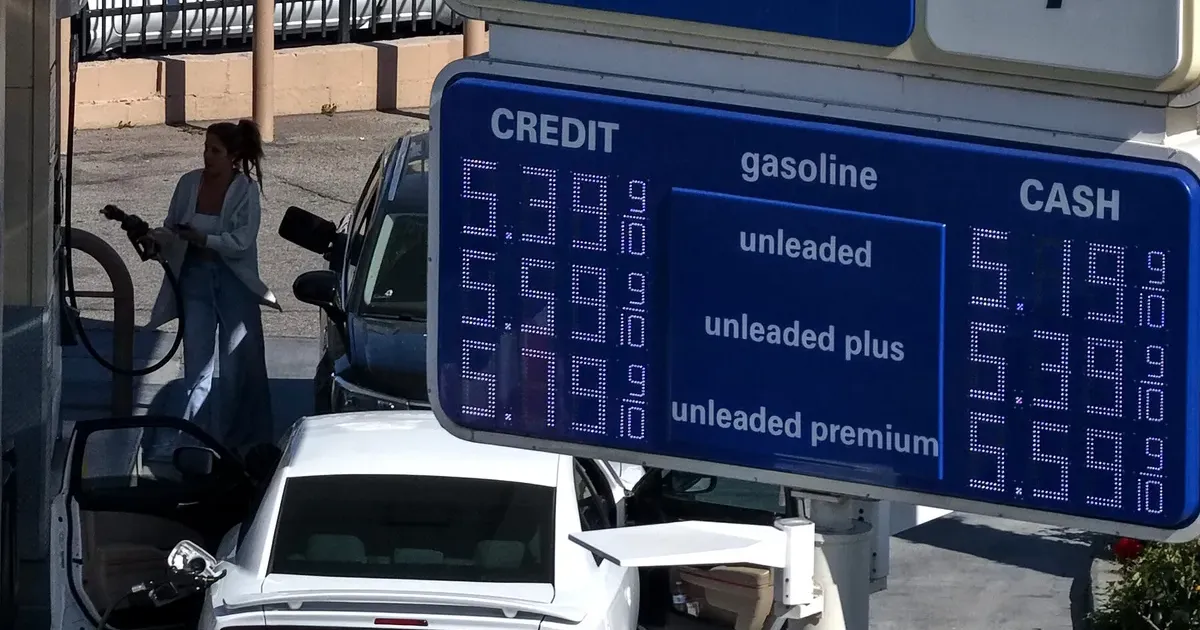
Rising crude prices are manifesting at the pump for consumers thousands of miles away from the Persian Gulf. In Bogota, motorcycle delivery drivers and commuters now face fuel costs that consume an increasing share of their daily wages. Consumers in the United States and the United Kingdom face the same psychological shock when $100 oil starts feeding into transport, heating and retail prices. Inflationary pressures had begun to subside in early 2026, but this energy spike threatens to reverse that progress. Central banks are now in a difficult position, as they cannot use interest rates to fight a supply shock caused by naval warfare.
Similar scenes are playing out in the United States and the United Kingdom, where the psychological barrier of $100 oil often leads to a broader slowdown in consumer spending.
Western governments are also facing domestic criticism over the depletion of their Strategic Petroleum Reserves. Tapping these reserves during a crisis is a standard move, but doing so when stocks are already at historic lows leaves little room for future emergencies. If the conflict in the Middle East lasts through the summer, the IEA may find itself with empty tanks and no useful leverage left to influence the price of crude. Politicians in Washington and London are balancing the need for lower prices today against the risk of total energy vulnerability tomorrow.
Financial markets reacted with a mixture of volatility and fear throughout the Wednesday session. Stocks in the transport and manufacturing sectors fell as oil prices climbed, while energy company shares saw a brief rally. Yet even the oil majors are concerned about the long-term implications of maritime insecurity. High prices are only beneficial if the product can safely reach the customer. If the Persian Gulf becomes a no-go zone for commercial shipping, the entire global trade architecture will require a massive, expensive redesign.
International observers are now watching for a coordinated military response to the tanker attacks. Diplomatic efforts to de-escalate the situation have so far failed to produce results. As long as tankers remain targets in Iraqi and Iranian waters, the 400 million barrels offered by the IEA will stay on the sidelines of the real crisis. The global economy remains tethered to a handful of narrow waterways and the whims of regional powers capable of closing them. March 2026 may be remembered as the moment when the limits of Western energy policy were laid bare by the reality of modern naval conflict.
Emergency Barrels Cannot Guard Tankers
The practical issue is security, not headline reserve volumes. Emergency barrels can soften a shortage, but they cannot remove the risk premium from Persian Gulf shipments.
That is why tanker attacks moved prices even after the reserve announcement. Traders were pricing the possibility that the next disruption would affect routes, insurance, freight costs and refinery planning at the same time.
Sources
Give Feedback
How was this article?