Tasting Table analysts finalized their data on frozen pot roast quality on April 3, 2026, while The Kitchn released results from a multi-brand matcha study. These assessments arrive as consumer spending patterns oscillate between extreme convenience and artisanal ritual. Grocery retailers continue to see high volume in both the frozen aisle and the specialty beverage category, prompting a closer look at what separates premium products from their budget counterparts.
3 frozen pot roast dinners underwent rigorous testing to determine if microwaveable beef can ever achieve the texture of slow-cooked home meals. Results indicate that meat tenderness fluctuates wildly depending on the flash-freezing technology used by the manufacturer. One brand succeeded in maintaining muscle fiber integrity, whereas two others produced results often described as spongy or overly processed. Sodium content in these meals often approaches 60% of the recommended daily allowance for an average adult.
Frozen Pot Roast Quality Variations
Preparation methods for frozen entrees have changed little in the last decade, yet the ingredients used in the gravy have become more complex. Reviewers found that the addition of red wine reductions and pearl onions in one specific brand elevated the flavor profile sharply. Meanwhile, the competing products relied heavily on cornstarch-thickened sauces that lacked depth and left a coating on the palate. Texture issues persist in the vegetable components, with carrots often turning mushy before the beef reaches its target temperature.
Frozen food manufacturers currently face pressure from rising logistics costs and a consumer base that demands cleaner labels. Analysts observed that the winning pot roast used grass-fed beef, a factor that likely contributed to its superior score. Industrial freezers must maintain a constant temperature of minus ten degrees Fahrenheit to prevent large ice crystals from damaging the cellular structure of the meat. Variations in this temperature during transit often lead to the lower quality scores found in discount brands.
Supermarket sales data confirms that pot roast is a top-five seller in the frozen meat category during winter months. Households with two working parents frequently cite time savings as the primary reason for these purchases. A single serving of these roasts can cost as little as five dollars, making it a competitive alternative to fast-food drive-through options. The winning brand cost twice as much as the lowest-ranked entry.
Matcha Brand Comparison and Grinding Standards
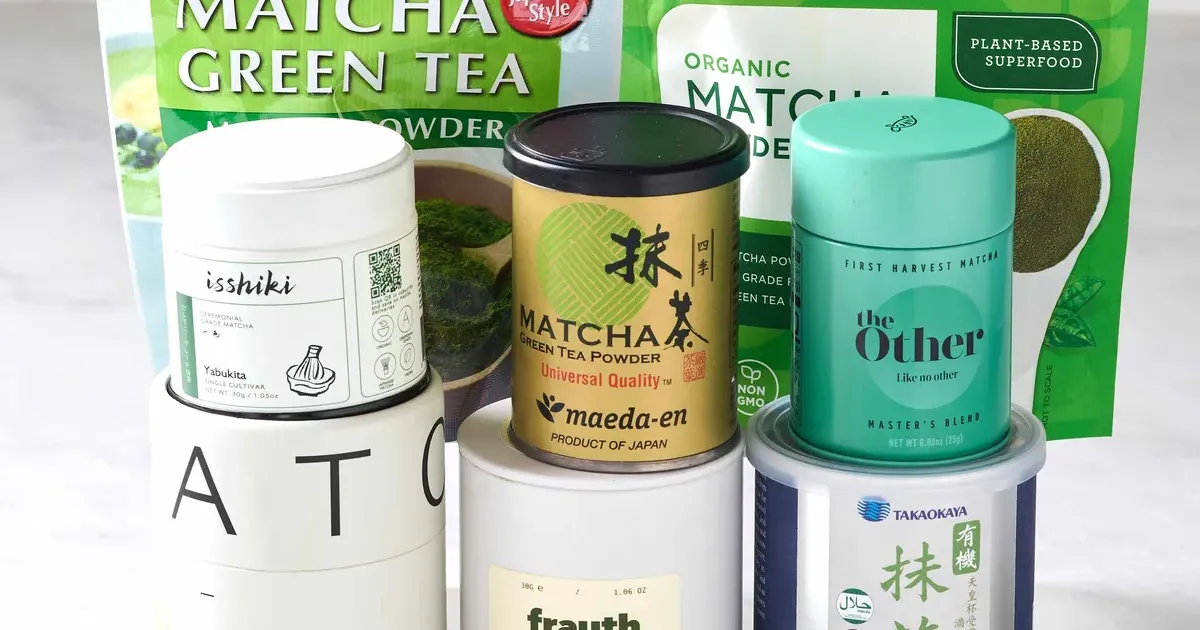
Parallel to the study on frozen meats, an investigation into 8 matcha brands showcased the vast quality gap between culinary and ceremonial grades. The Kitchn staff sampled powders from Japan and China to identify which product offered the smoothest finish without the gritty residue common in cheaper varieties. Vibrant green color is the primary indicator of high-quality matcha, signifying that the leaves were shaded properly before harvest. Dull, olive-toned powders typically contain older leaves or stems that introduce a harsh bitterness to the tea.
Testers used traditional bamboo whisks to evaluate the frothing capabilities of each brand. High-quality matcha contains high levels of L-theanine, an amino acid that produces a savory umami taste and a calming effect on the brain. One standout product produced a thick, emerald foam that remained stable for several minutes. Poorly ground powders failed to emulsify, leaving clumps at the bottom of the ceramic bowls.
“I could drink it every day,” a reviewer from The Kitchn stated regarding the winning tea.
Lesser brands often mask their low-quality leaves by marketing themselves as culinary grade, which is intended for baking rather than drinking. Price points for these teas vary from fifteen dollars to over sixty dollars per tin. Premium brands prioritize stone-grinding, a slow process that prevents the friction from heating and oxidizing the delicate powder. Modern industrial mills can produce larger quantities but often degrade the volatile organic compounds that give the tea its signature aroma.
Economic Pressures on Prepared Meal Selections
Inflationary trends in the global food supply-chain have forced many consumers to trade down in protein quality. Grocery shoppers now scrutinize unit prices with increased intensity, often choosing frozen options over fresh butcher cuts. Statistics show that the frozen meal sector is worth over $10 billion in the United States alone. Retailers have responded by expanding private-label offerings that mimic the flavor profiles of national brands at a lower price point.
Consumer behavior studies suggest that the desire for gourmet experiences at home drives the popularity of high-end matcha. While shoppers may save money on their main course with a frozen roast, they are willing to spend more on a high-status beverage ritual. This behavior indicates a bifurcated approach to household budgeting. Spending on premium tea grew by nearly 12% in the last fiscal year.
Manufacturing costs for aluminum and plastic packaging have risen by 8% since the start of the year. These increases are inevitably passed on to the shopper, leading to smaller portion sizes in the frozen food aisle. Some companies have reduced the weight of their pot roast dinners by two ounces while keeping the price stable. This practice, known as shrinkflation, has become a standard industry tactic across the grocery sector.
Consumer Preference for Ritualized Beverages
Preparation of a morning beverage has evolved from a quick caffeine fix into a meditative practice for many urban professionals. Matcha requires a level of focus and specific tools that coffee does not, which adds to its perceived value. Reviewers noted that the winning brand felt like a luxury experience compared to the metallic taste of bagged green tea. Brands that included origin stories and farm-level details on their packaging scored higher with younger demographics.
Retailers in London and New York have seen a surge in matcha-specific cafes that further fuel retail demand. Seeing the product prepared correctly in a professional setting encourages consumers to attempt the same quality at home. However, achieving that level of froth requires a specific grade of powder that most discount supermarkets do not stock. The top-rated brand in the study is currently available primarily through online specialty importers.
Market analysts expect the intersection of health and convenience to dominate the food industry through the end of the decade. Frozen meals are being reformulated with lower sodium and higher protein to attract health-conscious buyers. Simultaneously, tea producers are launching pre-measured matcha sticks to eliminate the need for measuring spoons. These innovations aim to bridge the gap between high-quality ingredients and the rapid lifestyle of the modern worker.
The Elite Tribune Strategic Analysis
Why do modern professionals obsess over the authenticity of a powdered tea while settling for chemically preserved meat cubes? The current grocery landscape reveals a deep psychological disconnect in the middle-class diet. We see a consumer base that will spend fifty dollars on a tin of ceremonial matcha for its zen-like properties, then shove a sodium-laden, frozen pot roast into a microwave for dinner. It is a fragmented identity where the ritual of the beverage provides a thin veneer of wellness over a foundation of industrial convenience.
The data from Tasting Table and The Kitchn proves that quality exists, but it is rarely found in the middle of the aisle. The frozen meat industry continues to struggle with the basic physics of moisture retention, yet it remains the primary source of protein for millions of time-starved families. Meanwhile, the matcha market has become a playground for elitism, where the color of the green powder is a status symbol. If the goal is truly health and flavor, the compromise found in a frozen dinner is an unacceptable trade-off, regardless of how good the tea is afterward.
Expect the gap between premium rituals and survival-grade convenience to widen. The winner of this era is the corporation that can mask the industrial nature of its food with artisanal branding. Consumers are not buying pot roast; they are buying ten extra minutes of sleep. They are not buying matcha; they are buying the feeling of being someone who drinks matcha. Short-term stock prices for these food conglomerates will rise, but the long-term nutritional health of the public will likely pay the dividend. The verdict is clear.