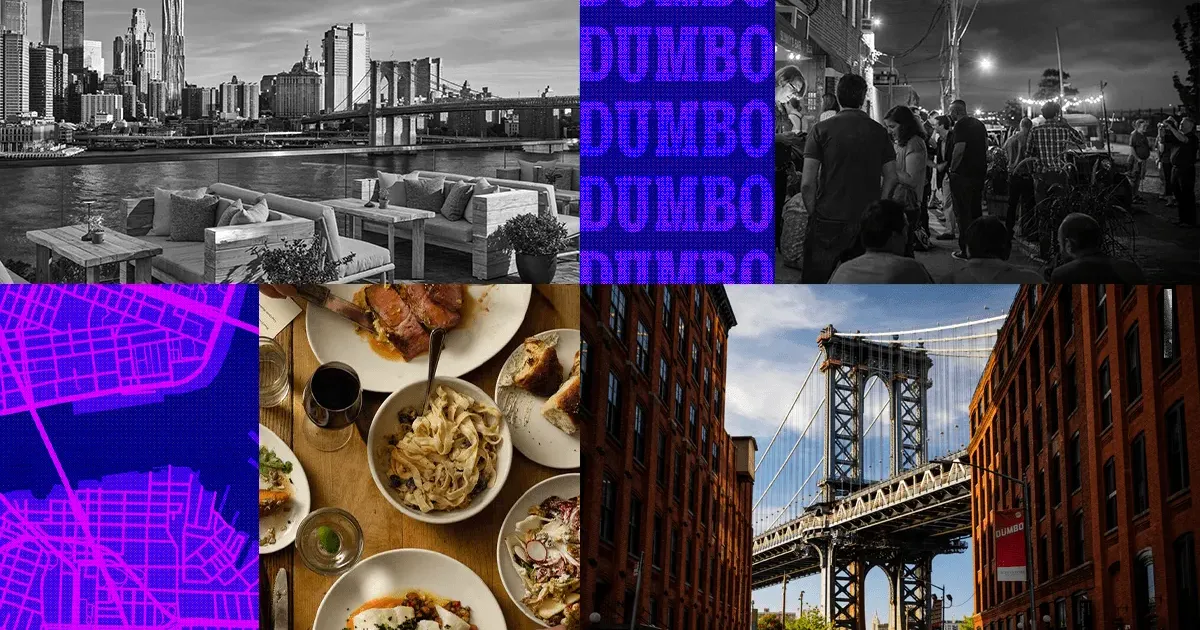
Dumbo’s tech growth is changing a Brooklyn waterfront district from creative outpost into elite business address. The neighborhood's business profile stood out on March 12, 2026
Dumbo Becomes a Tech Address
Cobblestone streets once dominated by 19th-century manufacturing now pulse with the high-frequency hum of venture capital and software engineering. Dumbo, the acronym for Down Under the Manhattan Bridge Overpass, has completed its transition from a gritty industrial relic into the most concentrated tech enclave in New York City. By March 2026, the neighborhood has secured its status as a mandatory stop for international executives and founders who once viewed Brooklyn as a mere residential satellite. This evolution was driven by a demand for office spaces that reflect the aesthetic values of the modern workforce, blending high ceilings and exposed brick with the fastest digital infrastructure on the Eastern Seaboard. Technology firms now occupy more than three million square feet of commercial space within a ten-block radius. The shift occurred as Manhattan's traditional business districts struggled with aging infrastructure and soaring utility costs. Dumbo offered a younger, more agile alternative. Major players in artificial intelligence and financial technology have established secondary headquarters here, citing the proximity to a dense talent pool living in Brooklyn Heights and Williamsburg, as Dumbo's waterfront offices kept attracting executive traffic. The math of urban planning favored this small pocket of land where the East River meets the Manhattan Bridge. The neighborhood has shed its gritty skin. Business travelers arriving in 2026 find an ecosystem designed for high-stakes productivity and high-end leisure. Modern hospitality has adapted to this shift, moving away from sterile corporate towers toward lifestyle-focused environments. 1 Hotel Brooklyn Bridge stands as the primary anchor for these visitors.
Hospitality Follows the Money
Its design emphasizes reclaimed wood and greenery, but its true value lies in its role as a networking hub. The rooftop bar serves as an informal boardroom where deals are brokered against the backdrop of the lower Manhattan skyline. Corporate amenities at the property include private screening rooms and high-speed satellite links that cater to the decentralized nature of modern global business. Productivity requires more than a hotel desk; it requires a neighborhood where the energy is focused on the waterfront. Professionals frequently migrate to Dumbo House, the Brooklyn outpost of Soho House, located in the Empire Stores building. Access here provides more than a workspace. It offers a curated social filter where the person at the next table is likely a venture partner or a lead developer. While Bloomberg suggests that traditional office occupancy is wavering, the private club model in Dumbo is thriving due to its focus on social capital. Empire Stores itself represents the architectural triumph of the neighborhood. This former warehouse now houses a mix of retail, office, and dining spaces that blur the lines between work and life. The rooftop park provides a quiet retreat for deep work or confidential calls. Yet, the true heart of the local business scene is found in the smaller, independent co-working spaces that dot the side streets.
These venues offer memberships specifically tailored to transient executives who require a secure, professional environment for 48 hours before catching a flight at JFK.
Waterfront Logistics Change the Workday
Success here is measured in density. Dining in Dumbo has evolved to meet the needs of a sophisticated business clientele that demands efficiency and quality. Cecconi's Dumbo offers a reliable setting for a power lunch, providing a mix of privacy and visibility. Its location within Empire Stores makes it a convenient transition point between morning meetings and afternoon sessions.
For those seeking a more historic and formal atmosphere, The River Cafe remains the gold standard. It sits literally under the bridge and offers a level of prestige that helps close difficult negotiations. Recent data from local business associations indicates that executive spending at these establishments has increased by 15 percent since last year, reflecting the strong health of the local tech sector. Managing this compact neighborhood requires an understanding of its unique geography.
Many executives now utilize the NYC Ferry system rather than traditional car services. The ferry connects Dumbo to Wall Street in under ten minutes and to the Navy Yard in five. This maritime commute has become a hallmark of the Brooklyn business experience, providing a moment of mental clarity before the day begins. Reliability on these routes has improved sharply, making them a viable alternative to the often-congested Brooklyn-Queens Expressway.
Expansion continues toward the Brooklyn Navy Yard, where a new wave of hardware-focused startups is taking root.
Growth Can Polish Away the Place
Dumbo has become a concentrated Brooklyn tech hub and business destination. Hotels, private clubs and restaurants are adapting to visiting executives and founders, while the same shift draws scrutiny about real estate pressure and neighborhood identity.
Distinctive office stock, waterfront access, talent proximity and a strong hospitality ecosystem make the growth economically impressive and culturally uneasy. Dumbo's appeal came from industrial texture, waterfront space and creative density. The danger is that every successful conversion makes the neighborhood less distinct, replacing local character with a polished template for mobile executives and venture-backed companies.