Tehran's latest missile barrage has widened the regional pressure map, forcing governments and markets to treat the conflict as more than a bilateral exchange.
Beirut Under Siege
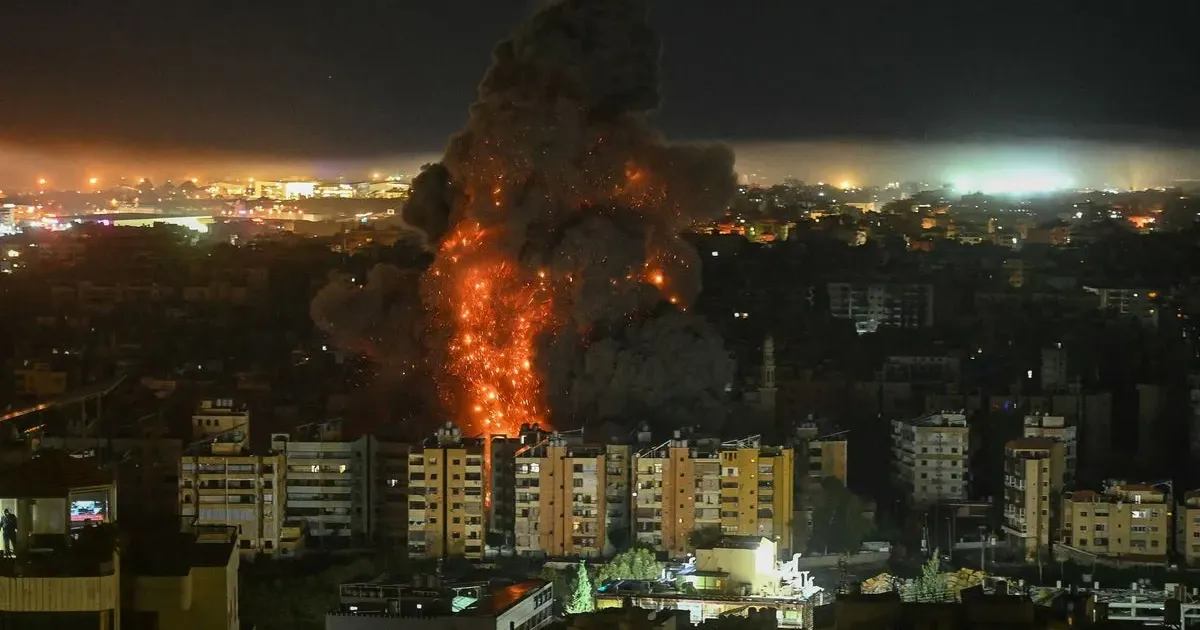
Beirut residents woke to the sound of shattering glass and the smell of burning insulation on Wednesday morning. Israeli airstrikes tore into a residential building in the heart of the city, leaving a jagged crater in the side of the structure. Witnesses described flames leaping from the upper floors while emergency crews struggled to reach the impact site. This strike indicates a widening of the war beyond the southern border. The report was published March 11, 2026, as regional retaliation risks widened across several fronts. Al Jazeera reports suggest the strike targeted a specific coordination center, though Lebanese authorities have not confirmed the identity of any casualties within the rubble. Panic spread through the neighborhood as dust clouds settled over narrow streets. Many families who previously thought central Beirut was a safe haven began packing vehicles with suitcases and mattresses. Local hospitals reported a sudden influx of patients suffering from shrapnel wounds and smoke inhalation. The visible destruction of a civilian apartment block in the capital has changed the psychological environment for those living outside the immediate combat zones in the south. Plumes of black smoke remained visible across the Mediterranean skyline for hours.
Naval Confrontation in the Strait of Hormuz
Thousands of miles to the east, the Strait of Hormuz became a graveyard for Iranian naval hardware. US forces destroyed over a dozen Iranian mines laid across the critical shipping lane, triggering a violent reaction from Tehran. Iranian forces retaliated for the destruction of their naval hardware with a volley of missiles directed at American assets in the region. The Independent reports that Tehran launched its most intense barrage of projectiles since the conflict began, claiming to have penetrated several air defense layers. Pentagon officials confirmed that American warships intercepted dozens of incoming threats, yet several landed near logistical hubs on the Arabian Peninsula. Donald Trump issued a blistering warning from the White House, promising a military response at a level never seen before. His administration maintains that the mining of international waters constitutes an act of war. Sources within the Department of Defense indicate that target lists for retaliatory strikes are currently under review by the Joint Chiefs of Staff. Maritime security firms have advised all commercial shipping to avoid the Persian Gulf until further notice. This naval skirmish has caused global oil prices to fluctuate wildly as traders weigh the risk of a total blockade. Tehran maintains its right to defend its territorial waters, yet the scale of the missile response suggests a prepared plan for wide-scale engagement with Western forces. Satellite imagery shows increased activity at several Iranian launch sites along the coastline.
The math of regional deterrence no longer adds up.
Fracturing Support for Hezbollah
Southern Lebanon is currently witnessing a mass exodus as families flee the unrelenting Israeli bombardment. ABC News International reports that long-term supporters of Hezbollah are beginning to voice rare public criticism of the militant group. These civilians argue that the current strategy has brought nothing but ruin to their ancestral villages. One displaced resident from Tyre noted that the promise of protection has vanished in the face of superior Israeli air power.
Public anger usually remains hushed in these communities, but the sheer scale of the displacement has broken the silence. Families are sleeping in public parks and schools across the north, often without basic supplies or medical attention. Hezbollah leadership continues to project an image of defiance, but the internal pressure from its own base is a new challenge for the organization. This unrest suggests that the political costs of the war are rising just as quickly as the military casualties.
Economic conditions in Lebanon have deteriorated further as the conflict shuts down major trade routes. Small business owners in Beirut expressed frustration with the lack of government intervention to protect the city from becoming a secondary front. While Hezbollah maintains its position as a resistance force, many Lebanese citizens are questioning the price of that resistance. The rift between the group and the population it claims to protect is widening by the day.
The retaliation cycle is now shaping every military and diplomatic calculation.
Diplomats in Europe and Asia are calling for an immediate ceasefire, yet both sides appear committed to further escalation. Israel has vowed to continue its strikes until Hezbollah is pushed back from the border, while Iran shows no signs of backing down from its confrontation with the US Navy. The interplay between Beirut and Tehran creates a complex web of military objectives that defies simple resolution. Military analysts observe that the use of advanced missile technology by Iran indicates a high level of technical preparation for this specific March 2026 timeline.
Regional powers like Saudi Arabia and the United Arab Emirates are bolstering their own defenses in anticipation of further missile activity. The destruction of naval mines in the Strait of Hormuz has turned a localized dispute into a global maritime crisis. If the US military follows through on Trump's threats, the conflict could evolve into a multi-theater war involving several sovereign nations. For now, the focus remains on the smoldering ruins in Beirut and the tense waters of the Persian Gulf.
Hezbollah fighters remain entrenched in the hills of southern Lebanon despite the civilian backlash. Their continued rocket fire into northern Israel ensures that the Israeli Air Force will maintain its high tempo of operations. Each strike on a residential building in Lebanon serves to deepen the animosity, while each missile launch from Iran pulls the United States closer to direct involvement. The situation remains fluid and highly volatile as all parties wait for the next move from Washington or Tehran.
Why Retaliation Keeps Widening
American policymakers continue to operate under the delusion that surgical strikes can contain a religious crusade. We are watching the slow-motion collapse of a century of Western diplomacy in the Middle East. The Trump administration talks of responses at a level never seen before, yet these words ring hollow to an Iranian regime that has spent decades preparing for this exact confrontation. Deterrence is a dead concept when your opponent views the destruction of your naval dominance as a holy duty. Lebanon is merely the sacrificial altar where these powers are settling their scores. The backlash against Hezbollah among its own people is a rare moment of clarity in a region blinded by ideology, yet it will not stop the bombs. Western leaders must stop pretending that this is a manageable crisis. It is a regional war that has already begun, and no amount of naval mine clearance will change the fact that the Strait of Hormuz is now a front line. We must prepare for a reality where the old borders no longer exist and the price of oil is the least of our concerns. The time for measured responses ended the moment the first Iranian mine hit the water.