Iran’s retaliation after the Khamenei strike is now moving through oil routes, fuel prices and the machinery of global supply. The energy shock deepened on March 11, 2026
Iran Moves the War Into the Oil Market
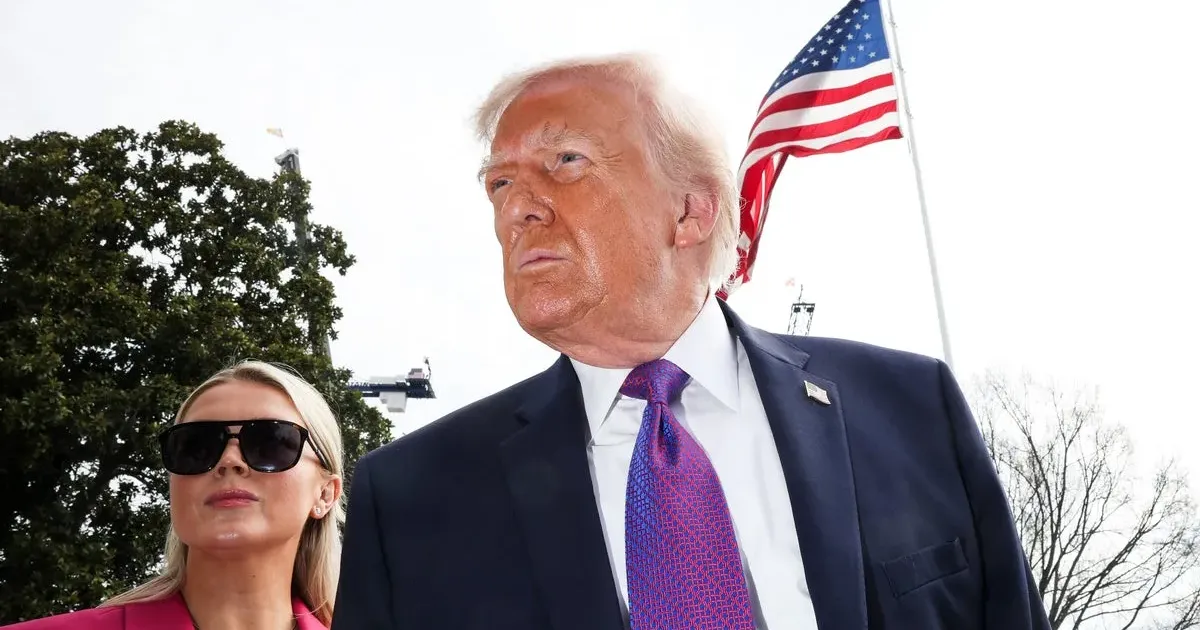
Palm Beach, Florida, served as the backdrop for a defiant display of optimism on Monday when Donald Trump addressed supporters regarding the widening conflict in the Middle East. He described the current hostilities as a brief disturbance, even as global markets recoiled from the most significant military escalation in decades. These remarks come just one week after a joint American and Israeli operation successfully assassinated Iran's Supreme Leader, Ali Khamenei. While the White House initially characterized the strike as a surgical blow intended to decapitate the clerical regime, the reality on the ground has evolved into a sprawling multi-theater confrontation. Iranian military forces responded by drawing neighboring Gulf oil producers into the fray, effectively choking the primary arteries of global energy distribution. Tehran maintains that any cessation of hostilities depends entirely on Washington meeting a list of rigorous preconditions. Iranian President Masoud Pezeshkian, appearing on state television, demanded full financial reparations for the damage inflicted by the invasion and the subsequent disruption of the Iranian economy. He also called for binding international guarantees to prevent future American aggression. His tone remained uncompromising. If these demands are ignored, he warned, the pressure on global oil transit points will only intensify. The leverage Tehran holds is significant. By targeting the shipping lanes of its neighbors, Iran has forced a crisis that transcends regional borders, affecting every major economy reliant on the Persian Gulf.
Gas Prices Bring the Conflict Home
Energy markets have reacted with predictable volatility. Oil prices surged within hours of the first reports of shipping disruptions, prompting an emergency response from the International Energy Agency. In an unprecedented move, the 32 member states of the IEA agreed to release 400 million barrels of oil from their strategic reserves. Such a massive intervention is intended to stabilize prices, yet analysts remain skeptical about its long-term efficacy. The immediate supply cushion may stabilize prices briefly, but it cannot remove the underlying physical threat to tankers in the Strait of Hormuz. Iran showed that oil routes could become the battlefield after the Khamenei strike.
France 24 reports that while the infusion of supply might provide a temporary cushion, it cannot address the underlying physical threat to tankers in the Strait of Hormuz.
One war can fuel another, and the interconnected nature of global logistics means that a localized strike in Tehran can lead to a fuel shortage in Tokyo or London. Voters in the United States are already feeling the direct consequences of the White House's military strategy. Gas prices have climbed steadily since the operation began, creating a difficult environment for Republican candidates heading into an election season. John Bowden, writing for The Independent, notes that the party finds itself led by a president who has initiated an unpopular war that hits Americans directly in their wallets. This political reality threatens to overshadow the administration's claims of military success.
History shows that American voters rarely reward foreign interventions when the cost of living rises at home. Still, the administration persists in its narrative of a contained and successful mission.
Diplomacy Trails the Supply Shock
Market analysts at Bloomberg suggest the oil release might actually signal desperation rather than strength. They argue that depleting strategic reserves during the opening phase of a conflict leaves little room for maneuver if the war drags on into the summer. Reuters' sources within the energy sector echo this concern, pointing out that 400 million barrels is a significant portion of the global safety net. Once these reserves are exhausted, the world will be entirely dependent on the restoration of Gulf shipping lanes that currently remain under threat from Iranian missiles and drone swarms. Donald Trump expressed surprise at Tehran's decision to involve Gulf neighbors in the conflict.
He reportedly expected the clerical leadership to collapse or remain focused on domestic defense. That calculation proved incorrect. Instead of retreating, Iran has chosen to internationalize the pain, ensuring that every Western consumer pays a price for the strike on its leadership. Such a strategy demonstrates a sophisticated understanding of Western political vulnerabilities. Tehran knows that high fuel prices are more likely to force a diplomatic retreat than any direct military engagement on the battlefield.
European allies have expressed cautious support for the initial strike but are increasingly alarmed by the economic repercussions. Folha de S.Paulo highlights the disconnect between Trump's public statements in Florida and the grim reality of the global supply chain.
Why the Reserve Release Is Only a Bandage
The Brazilian outlet notes that the war has changed the world more in a single week than the administration is willing to admit. Brazil, along with other emerging economies, faces rising import costs that could derail domestic growth. The global impact is not a side effect. It is the core of the current Iranian strategy. This massive disruption of the status quo has left diplomatic channels strained.
While the IEA attempts to manage the supply side, the demand for a political solution remains unaddressed. The reparations requested by Pezeshkian are seen in Washington as a non-starter, yet they represent a formal hardening of the Iranian position. No longer is the conflict merely about nuclear enrichment or regional proxy wars. It has become a battle for economic survival and sovereign immunity. Washington remains committed to its path of maximum pressure.
A Brief Disturbance Becomes a Global Wound
Let us dispense with the fiction that this war is a surgical success or a brief disturbance. Washington remains addicted to the fantasy of the clean war, where a single drone strike can reshape the geopolitical order without staining the domestic carpet. By killing Khamenei, the administration decapitated a regime but failed to realize that a headless beast can still lash out with lethal force. The Iranian strategy of targeting global oil supplies is not a desperate flailing. It is a calculated, cold-blooded exploitation of the West's greatest weakness: the fuel tank.
While Trump holds rallies in Florida and dismisses the chaos, the global economy is bleeding. The release of 400 million barrels of oil is nothing more than a temporary bandage on a severed artery. We are paying for the arrogance of a foreign policy that treats the Persian Gulf like a private shooting gallery while ignoring the fact that our own prosperity is tethered to those very waters. If the White House expects the American voter to bankroll this intervention through record-high gas prices, they are in for a brutal awakening. Such a conflict is not a victory.
It is a massive, self-inflicted wound to the global order that will take decades to heal.