Sirens Interrupt Netanyahu Briefing
Tel Aviv sirens wailed across central Israel on Thursday afternoon, forcing Prime Minister Benjamin Netanyahu to abandon a televised press conference and seek shelter. Live broadcasts from the Kirya military headquarters in Tel Aviv captured the sudden shift from political oratory to immediate defense protocols.
Military officials confirmed that multiple projectiles were launched from Iranian territory, targeting the urban heart of Israel while the Prime Minister attempted to reassure the nation regarding the ongoing regional conflict. On March 12, 2026, the interruption became a live example of how quickly the conflict could reach Israel’s political center. Panic flared briefly in the streets as civilians scrambled for reinforced rooms, a routine that has become increasingly common since the escalation began earlier this year. Explosions echoed over the Mediterranean coast as the Iron Dome and Arrow defense systems engaged the incoming threats.
Initial reports suggest that several missiles were successfully intercepted, but the persistence of the barrage indicates a sustained offensive capability from Tehran. Prime Minister Netanyahu had been in the middle of a stern warning to Iranian leadership when the sirens began, underscoring the volatile nature of the current security environment. Security experts noted that the timing of the strike seemed intended to maximize psychological impact, directly challenging the Israeli government during a moment of high-profile communication.
Global energy stability now rests on a knife-edge.
Oil Markets Price In Wider Risk
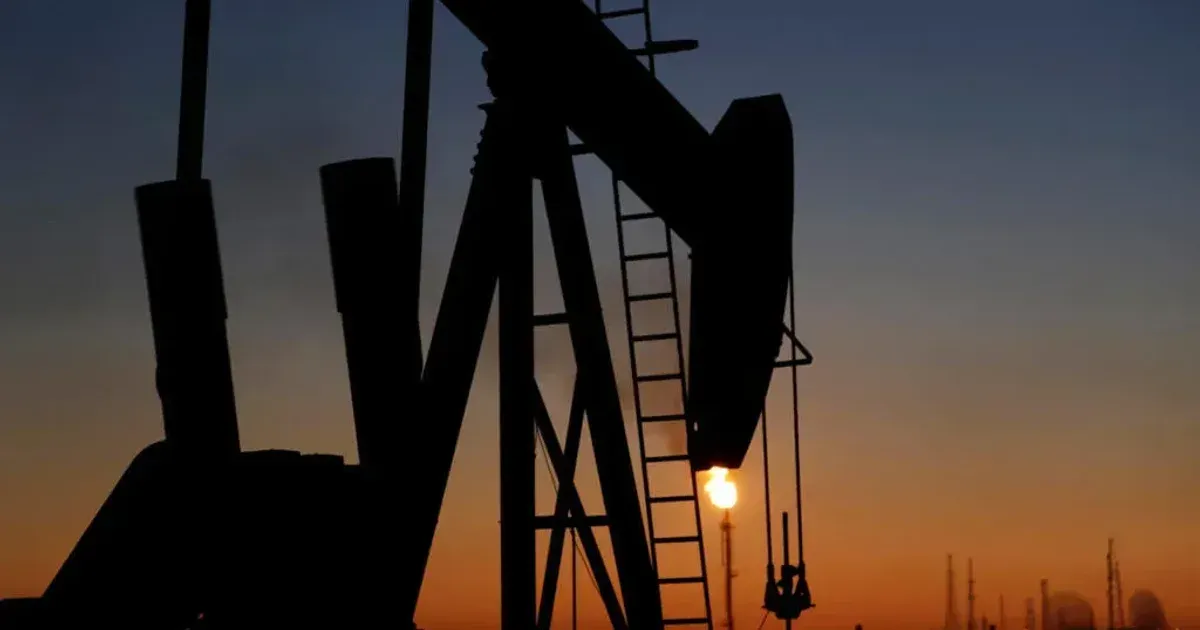
Brent crude oil prices climbed past $100 per barrel on international markets as the news of the Tel Aviv strikes reached trading floors. Investors reacted with predictable urgency, pricing in the risk of a prolonged struggle that could permanently alter energy flows from the Middle East.
Traders are particularly concerned about the security of the Strait of Hormuz, where a significant portion of the world's daily oil supply passes. Because the military cannot yet guarantee safe passage for commercial tankers, the risk premium on every barrel of oil has spiked sharply since Monday. President Donald Trump maintains that his primary objective is the total containment of Iranian influence, even if such a policy results in higher costs at the fuel pump.
He clarified during a brief meeting with reporters that the strategic necessity of stopping Tehran outweighs temporary economic fluctuations. Still, his Energy Secretary provided a more sober assessment, admitting that the United States military currently lacks the immediate capacity to provide full escorts for every civilian vessel in the Gulf. This deadlock between political will and logistical capability has left the shipping industry in a state of paralysis, with many firms choosing to anchor their fleets rather than risk an unprotected transit through the narrow waterway.
High prices are no longer only a concern for Western motorists; they have become a survival issue for developing economies. Indian households are currently facing severe shortages of cooking fuel, with businesses in Mumbai and New Delhi reporting significant disruptions to their operations. Because India relies heavily on Gulf imports, the bottleneck in the Strait of Hormuz has translated into long queues at distribution centers and a sharp rise in the cost of basic commodities. Local government officials in various Indian states have called for international intervention to secure the trade routes, fearing that a continued blockade will lead to civil unrest and industrial decline.
Washington Sends Mixed Signals
Washington appears to be fighting two different wars. Official statements from the White House have frequently clashed with briefings from the Pentagon and the State Department over the last forty-eight hours.
While some aides suggest a swift conclusion to the hostilities is possible, military commanders remain skeptical of any timeline that involves an early withdrawal. This lack of clarity has created confusion among allies who are looking for a unified American strategy to manage the crisis. Critics in Congress have pointed out that the administration has yet to articulate a clear exit strategy, leaving the military in a reactive posture that responds to Iranian provocations rather than setting a proactive agenda.
Defense analysts suggest that the internal friction stems from a fundamental disagreement over the war's ultimate goal. Some factions within the administration advocate for regime change in Tehran, while others argue that a limited campaign to degrade missile facilities is the only sustainable path. These contradictory signals have emboldened Iranian leaders, who see the lack of a cohesive American front as an opportunity to test the limits of Western resolve.
Without a singular voice coming from the executive branch, the risk of a miscalculation on either side increases, potentially drawing more regional actors into the fray. Historical parallels to the energy crises of the 1970s have surfaced among economists, though the 2026 context involves more complex digital and financial interdependencies. Unlike previous decades, the current global economy is tightly integrated through just-in-time supply chains that cannot withstand prolonged shipping delays. A disruption in the Gulf does not just mean expensive gas; it means a total shutdown of manufacturing plants in East Asia and a cooling of consumer spending in Europe. This volatility has already begun to manifest in the form of weakened stock indices and a flight to gold and other safe-haven assets. The fragmentation of global trade routes may force a permanent restructuring of how nations source their energy. If the Strait of Hormuz remains a contested zone, the shift toward alternative energy sources or terrestrial pipelines will likely accelerate out of sheer necessity. Yet, such transitions take years, and the immediate reality for billions of people is a world where energy security is no longer a given. For now, the focus remains on the skies over Tel Aviv and the narrow waters of the Persian Gulf, where the next few days will determine the economic trajectory of the entire year.