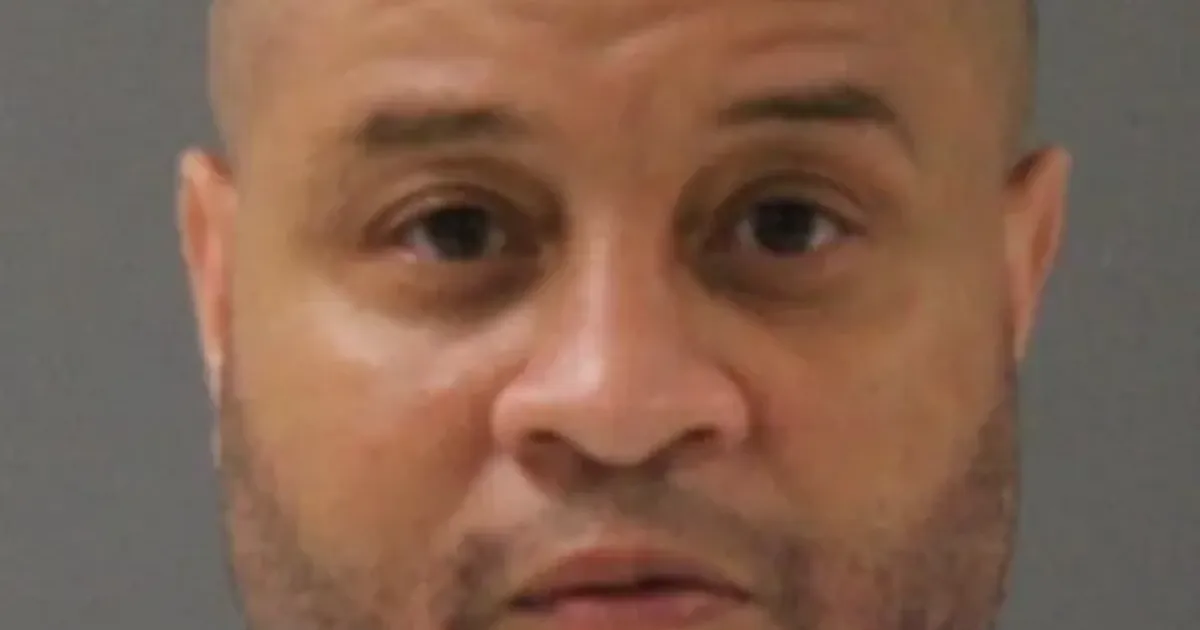
Texas carried out the execution of Cedric Ricks after a long appeals process tied to the 2013 killing of his girlfriend and her son. The execution took place on March 12, 2026
Texas Carries Out the Execution
Huntsville prison officials announced the death of Cedric Ricks on Wednesday evening, concluding a legal process that spanned more than a decade. Ricks, 51, died by lethal injection at the state penitentiary in Huntsville for the 2013 murders of his girlfriend and her young son. Medical staff pronounced the inmate dead at 6:55 p.m. once a lethal dose of pentobarbital took effect. Witnesses observed the final moments of the man convicted of a crime that shocked the suburban community of Bedford years ago. Marcus Figueroa, who survived the same attack that killed his mother and brother, watched the procedure from a viewing room separated by glass. He was only 12 years old when Ricks entered their home and began a violent spree that changed his life forever. The trauma of that night remained a central theme throughout the trial and subsequent appeals. His presence in the execution chamber underscored the gravity of the crimes committed in May 2013. This execution concluded a series of federal and state appeals that failed to overturn the original 2014 death sentence. It closed one legal case while reopening the death penalty argument. Such legal battles often delay capital punishment for years in Texas, yet the state remains the most active in carrying out these sentences. Ricks had previously sought relief by arguing that his legal representation was inadequate during the sentencing phase.
A 2013 Double Murder Reaches Its Legal End
Judges consistently rejected those claims, citing the overwhelming evidence of his guilt and the brutality of the murders. Violence erupted inside an apartment in Bedford on a spring night when Ricks used a kitchen knife to attack Roxann Sanchez and her two sons. Investigators described a scene of extreme struggle and desperation. Roxann Sanchez, who was 30 at the time, died from multiple stab wounds along with her eight year old son, Anthony Figueroa. Marcus Figueroa sustained serious injuries but managed to survive the ordeal by feigning death while the attacker remained in the home.
Blood evidence told a different story than the one Ricks initially provided to police. Jurors in the 2014 trial heard harrowing testimony from the young survivor, who detailed the calculated nature of the stabbings. One witness described how Ricks appeared calm shortly before police apprehended him in Oklahoma. Prosecutors argued that the defendant acted out of a desire for control once Sanchez attempted to end their relationship. They successfully sought the death penalty by emphasizing the age of the younger victim and the multiple murders committed during a single criminal episode.
Defense lawyers attempted to pivot toward a narrative of psychological distress during the penalty phase. They presented experts who discussed the mental state of the defendant, hoping to secure a life sentence instead of execution.
Capital Punishment Debate Persists
This legal strategy failed to convince the jury that Ricks deserved leniency given the nature of the killings. Tarrant County prosecutors maintained that the threat Ricks posed to society necessitated the ultimate punishment allowed by law. Texas has maintained a steady supply of pentobarbital despite international pressure on pharmaceutical companies to stop providing drugs for executions. Prison officials in the state began using the single drug protocol several years ago to streamline the process. While other states have struggled with botched procedures or drug shortages, Texas continues to carry out lethal injections with clinical regularity.
The execution of Ricks marks the first time the state has utilized its death chamber in this calendar year. Once the chemical began to flow through the intravenous lines, Ricks looked toward the victims' family members and offered an apology. He expressed regret for the pain he caused and asked for forgiveness. His voice remained steady until the sedative caused his breathing to slow and eventually stop. Only a few minutes passed between the start of the injection and the final declaration of death by the attending physician.
Justice often moves slowly.
Finality Does Not End the Argument
Texas executed Cedric Ricks for a 2013 double murder after years of appeals, procedural reviews and constitutional claims. The execution renewed debate over finality, deterrence and the death penalty even as the sentence was carried out.
The state can call an execution final, but the public debate never ends there. Every capital case forces the same hard questions about punishment, error, deterrence and whether closure can be delivered by the state.