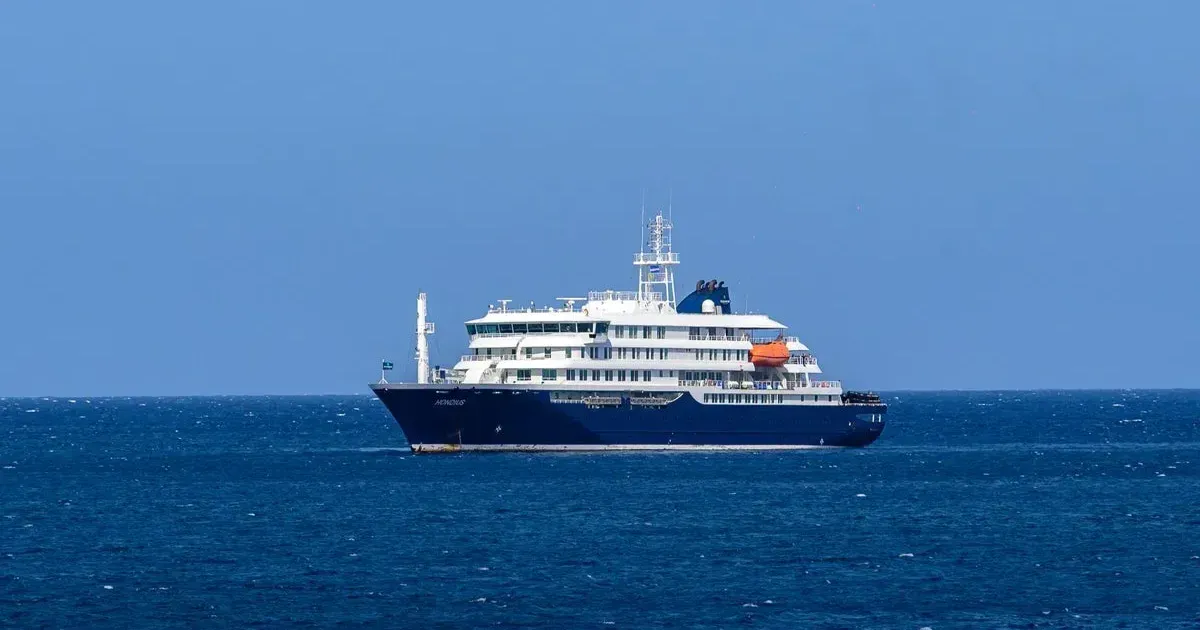
The suspected hantavirus outbreak has turned a cruise itinerary into an international health response. Shipboard illness cases move quickly from medical concern to port-management problem. World Health Organization officials confirmed a deadly viral outbreak aboard a passenger vessel navigating the Atlantic Ocean. Reports released on May 3, 2026, describe three fatalities among six infected individuals. Medical examiners identified two of the deceased as a married couple from the Netherlands. The identity of the third victim has not been released to the public. Health authorities are monitoring the hospitalized patient and the remaining symptomatic people as the vessel stays under local authority review off Cape Verde.
A 69-year-old British national is fighting for life after being medically evacuated to an intensive care unit in South Africa. Doctors describe the individual's condition as critical. The patient reportedly requires mechanical ventilation to manage severe respiratory distress. Clinical teams in Johannesburg are coordinating with international health agencies as the investigation continues.
Hantavirus typically spreads through contact with infected rodents or their waste. While common in specific rural land environments, its appearance on a cruise ship is highly unusual. World Health Organization data suggest one case is laboratory-confirmed while five others are classified as suspected. The hantavirus pathogen can cause Hantavirus Pulmonary Syndrome, a severe respiratory disease that carries a high mortality rate. Early symptoms often mimic common influenza, which frequently complicates early detection in maritime environments.
International Health Response to Maritime Infections
Vessel operators initiated emergency quarantine protocols immediately after the first cluster of illnesses became apparent. Crew members moved the symptomatic passengers into isolation wards to prevent further transmission. World Health Organization representatives are now reviewing the ship’s maintenance logs to identify potential vectors. Investigators want to determine if rodents entered the vessel through food supply chains or during a recent port stay. The confined nature of a vessel can complicate isolation and contact tracing if investigators find evidence of person-to-person spread.
"One case of hantavirus infection had been confirmed and there were five additional suspected cases," the World Health Organization stated on Sunday.
Public health experts in the United Kingdom are monitoring the situation closely due to the involvement of a British citizen. Foreign Office representatives confirmed they are providing consular assistance to the family of the hospitalized tourist. The 69-year-old remains under constant supervision by infectious disease specialists. Medical records show the patient exhibited signs of pulmonary edema shortly before the emergency evacuation was authorized. Doctors in South Africa have not provided a timeline for the patient's recovery.
Health Response
Maritime law requires ship captains to report any sudden cluster of deaths or infectious diseases to the next port of entry. The vessel involved in this incident is adhering to these international maritime health regulations. Authorities in Cape Verde are assessing conditions on board while public health teams decide how to manage passengers, crew members and any medical transfers. Screening and contact tracing will shape whether anyone can disembark safely.
Risks of Vector-Borne Pathogens in Confined Spaces
Infection control on large ships presents unique challenges for environmental health officers. Standard sanitation procedures usually target norovirus and other gastrointestinal pathogens rather than rodent-borne viruses. The discovery of hantavirus suggests a possible breach in the vessel's pest control perimeter. Engineering teams are currently inspecting the ship’s ventilation systems and food storage areas for signs of infestation. These inspections are a standard part of the WHO’s International Health Regulations for responding to outbreaks at sea.
Symptoms of the infection usually develop between one and eight weeks after exposure. The long incubation period means other passengers may have been exposed before the ship even departed. Passengers are being advised to report any fever, muscle aches, or shortness of breath to the onboard medical center. The Dutch government is also working with the WHO to enable the repatriation of the bodies of the deceased couple. Local authorities in the Netherlands are waiting for final autopsy results to confirm the exact strain of the virus.
Protective equipment and medical support remain central to the response because there is no specific cure for hantavirus infection. The ship’s medical staff is now working in shifts to provide 24-hour care for those still in isolation. The absence of a much larger reported cluster offers some hope, but investigators are still treating the episode as an active public health event. Further sanitation decisions depend on the public health assessment and the outcome of laboratory testing.
Maritime Health Implications
Isolating a rodent-borne pathogen on a luxury cruise ship challenges the traditional understanding of maritime health risks. Most industry protocols focus on bacterial contamination or highly contagious respiratory viruses like influenza or coronavirus. Hantavirus is an outlier that suggests modern supply chains may be vulnerable to environmental vectors previously confined to rural land regions. If the investigation confirms a food-borne or supply-chain entry point, it could prompt closer scrutiny of how provisions are inspected before they reach passenger decks.
The critical status of the British national also highlights the logistical difficulty of providing high-level intensive care at sea. Evacuating a patient with severe pulmonary distress requires specialized aircraft and pressurized cabins. These operations are expensive and risky. Cruise operators may face renewed pressure to review medical evacuation planning, pest control checks and outbreak reporting procedures. For now, the focus remains on the immediate survival of the hospitalized and the prevention of a wider spread among those still on board. The maritime industry's recovery depends on the transparency of this investigation.