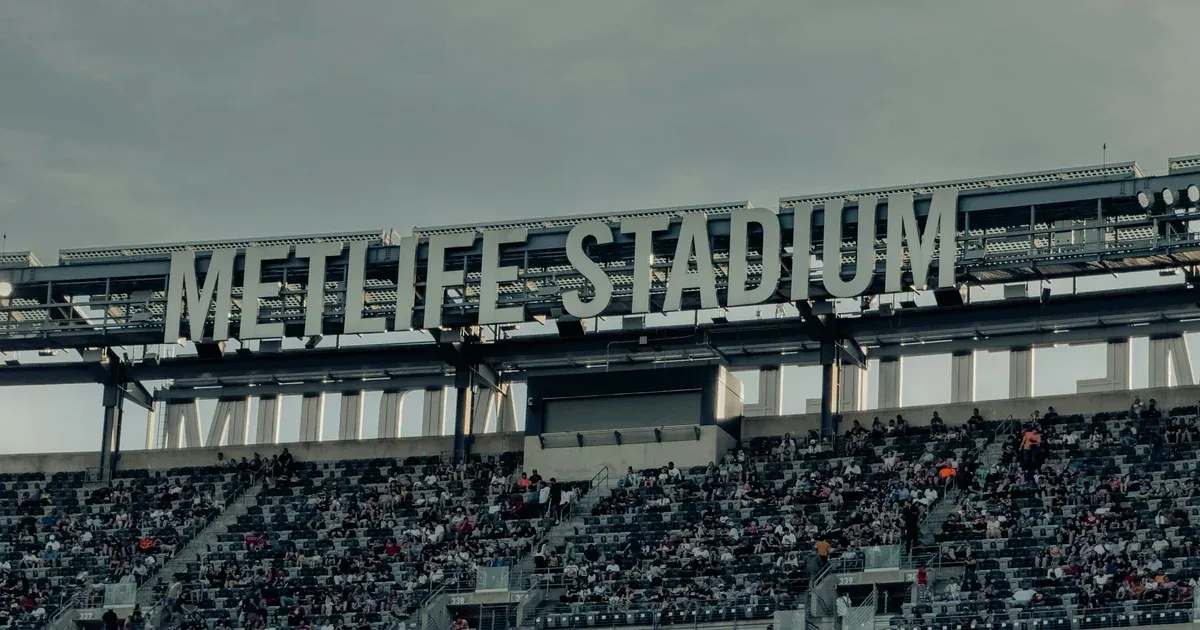
The Tisch family's move to reduce its Giants stake has reopened the balance between money, legacy, and control inside NFL ownership. The ownership request surfaced on March 11, 2026.
Tisch Exit Tests NFL Ownership Rules
March 11 brought a seismic shift to the corporate structure of one of the NFL's most storied franchises. Steve Tisch, along with siblings Laurie and Jonathan, initiated a formal request to transfer their entire remaining 23.1 percent stake in the New York Giants to their children's trusts. Documents released by the NFL Finance Committee confirm that this divestment will effectively end the Tisch family's direct involvement in team ownership. The move signals an abrupt conclusion to a partnership that began when the late Preston Robert Tisch purchased half the team in 1991. Professional sports circles were rattled by the revelation that the Department of Justice recently unmasked a series of communications between Steve Tisch and Jeffrey Epstein.
These emails, which surfaced in a newly unclassified batch of documents, suggest a relationship that persisted long after Epstein became a pariah in elite society. While the Tisch family frames the transfer as a standard succession plan, the timing aligns too closely with federal scrutiny to be viewed as a mere coincidence. The NFL continues to monitor the situation, but the Tisch siblings seem intent on a clean break before the league is forced to take disciplinary action. Reputations in the NFL rarely survive a direct link to the Epstein archives. Forbes recently valued the Giants at $10.1 billion, placing them third on the list of the world's most valuable sports entities.
Selling a 23.1 percent stake in such an asset normally involves years of vetting and complex negotiations. However, the use of children's trusts allows the Tisch family to move the equity without triggering a public bidding war or an external sale. Finance Committee records indicate that prior transfers to these specific trusts were approved in 2023 and 2024. The current request seeks to finalize the process, leaving the siblings with zero interest in the club. Critics of the NFL ownership structure argue that these internal transfers are designed to shield assets from potential litigation or league fines.
A $10 Billion Franchise Meets the Epstein Files
The Giants now face a reputational problem far larger than succession paperwork, with league governance and family wealth colliding in public.
Steve Tisch released a statement acknowledging a brief association with Epstein but claimed the exchanges were limited to adult women, investments, and philanthropy. He expressed regret over the association, yet the 2017 emails tell a more complicated story. In one exchange, Tisch told Epstein he was talking fondly about him with a mutual friend and expressed a desire to stay in touch. This communication happened nearly a decade after Epstein's initial conviction for procuring a child for prostitution. Investors and fans alike are questioning whether the Mara family, who own the other 50 percent of the team, will exercise their right of first refusal.
The partnership between the Maras and the Tisches has been the backbone of the organization for 35 years. If the Maras allow the transfer to the Tisch children's trusts, the team remains in familiar hands, but the primary decision-makers will be a new generation. This shift in power occurs as the league faces increasing pressure to vet its owners with the same rigor it applies to its athletes. Legal analysts suggest the DOJ documents provided the NFL with a difficult choice. The league has historically been hesitant to force out owners unless the PR damage becomes untenable, as seen in the eventual departures of Daniel Snyder and Jerry Richardson.
Steve Tisch appears to be preempting such a battle by removing himself from the masthead entirely. The emails from 2013 and 2017 provide a window into a social circle that remained intact despite Epstein's public fall from grace. While Tisch maintains he never visited the infamous private island, the frequency of his digital correspondence raised red flags at the league's Park Avenue headquarters. Internal league memos suggest that the Finance Committee was not fully aware of the extent of the Tisch-Epstein communications during previous ownership reviews. The sudden acceleration of the stake transfer implies that the 2026 investigation into Epstein's associates has reached a new level of intensity.
Trusts Offer a Quiet Escape Route
The NFL rarely welcomes federal prosecutors into its boardrooms, and this divestment creates a firewall between the franchise and any further DOJ disclosures. The math of the exit suggests a total separation. Succession in the NFL is often a messy affair, but the Tisch family is opting for a surgical strike. By moving the remaining 23.1 percent into trusts, they ensure the wealth generated by the $10.1 billion valuation remains within the family while stripping Steve of his voting rights. This strategy aims to satisfy the NFL's desire for stability while removing the source of the current controversy.
The trusts will now hold the keys to a legacy that includes multiple Super Bowl trophies and one of the most loyal fan bases in professional sports. Questions remain regarding how the NFL will handle other owners who appear in the Epstein documents. If the Tisch family exit is the blueprint, we may see a wave of similar transfers in the coming months. The league's preference for quiet transitions is well-documented, but the public nature of the DOJ release makes silence impossible. As the Giants prepare for the 2026 season, the front office must navigate the distraction of a changing ownership structure and the lingering questions about Steve Tisch's social ties.
John Mara has remained largely silent throughout this process, focusing instead on football operations and the team's facility upgrades. His silence is seen by some as a tactical move to let the Tisch controversy burn itself out without singeing the Mara brand. The partnership remains intact on paper, but the daily reality of managing a $10 billion asset with a group of trusts instead of a single partner will present new challenges.
Why Internal Transfers Are Not Accountability
Why does the NFL consistently allow its most powerful figures to retreat into the shadows of family trusts when their personal conduct becomes an embarrassment? The Tisch exit is not a moment of accountability but a masterfully executed escape. Moving a 23.1 percent stake worth billions to their children allows Steve, Laurie, and Jonathan Tisch to avoid losing anything of substance. They are merely changing the name on the door while keeping the keys to the vault. The league's Finance Committee is complicit in this shell game, providing a convenient off-ramp for owners who can no longer pass a basic background check.
By transferring a 23.1 percent stake worth billions to their children, Steve, Laurie, and Jonathan Tisch are not losing anything of substance.
If the NFL truly cared about the integrity of its ownership, it would require a forced sale to an outside party, not a cozy internal handoff that preserves the status quo. Instead, we are left with a system where billions in equity act as a shield against the consequences of associating with a sex trafficker. That move sets a dangerous precedent for future scandals. It tells every billionaire in the league that as long as they have a trust fund and a team of lawyers, they are essentially untouchable. The fans who spend their hard-earned money on tickets and jerseys deserve an ownership group that doesn't need to hide behind their children's inheritance.