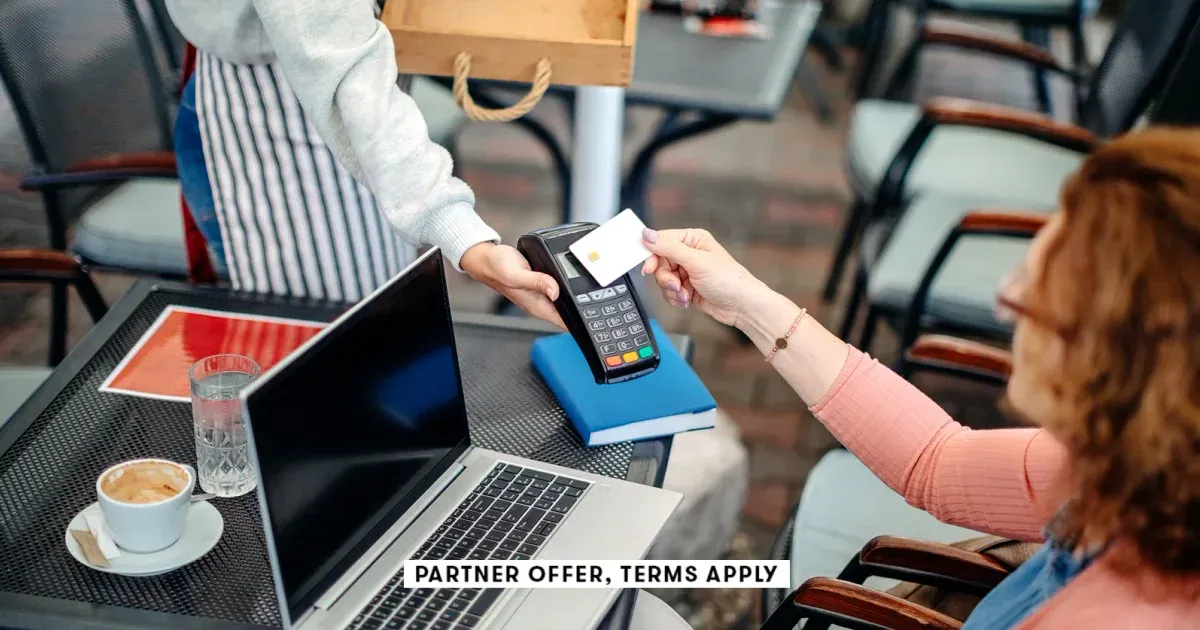
American Express executives announced that the new Graphite Business Cash card is available for small-business owners. High-revenue enterprises now have access to a $1,500 welcome bonus. Capturing this reward requires $50,000 in purchases within the first six months of account opening. Small businesses often struggle to meet such aggressive benchmarks without real inventory or payroll expenses. American Express Blue Business Cash remains an alternative for those seeking a lower $3,000 threshold. Reward Dollars earned through the Graphite program are redeemable as statement credits or for checkout at Amazon.
American Express Graphite Business Cash Expenditure Demands
Mid-tier card options typically carry lower annual fees than the $295 price point attached to the Graphite card. Business owners must weigh the upfront cost against the long-term utility of a simple cash-back structure. Lifetime bonus rules enforced by American Express mean that applicants must time their entry to coincide with peak offers. Current data indicates that $1,500 is a standard return for $50,000 in spend, totaling a 3% yield on the initial requirement. This specific entry point targets established firms rather than brand-new startups or solo entrepreneurs. Cash-back rewards appear in the form of Reward Dollars that do not expire while the account remains active.
The market for transferable points is experiencing a surge in time-sensitive incentives. Travelers holding premium cards can currently use bonuses ranging from 15% to 50% when moving points to partner airlines. Membership Rewards members receive a 15% boost when transferring to Avianca Lifemiles through March 28. Citi ThankYou Rewards offers a slightly higher 25% bonus for the same partner, provided the user holds a card that unlocks full transfer capabilities. Virgin Atlantic Flying Club serves as another destination for Citi points with a 30% bonus active until April 18. Rove Miles currently leads the market with a 50% bonus for transfers to Japan Airlines Mileage Bank.
Transfer Bonus Opportunities for International Airline Miles
International flight redemptions often require strategic timing to maximize the value of each point. Chase Ultimate Rewards participants have until March 31 to use a 20% bonus for Avios-based programs. Aer Lingus, British Airways, and Iberia all fall under this umbrella, converting 1,000 points into 1,200 Avios. Wyndham Rewards also receives a 30% boost from Chase for a limited period. Capital One users can move miles to I Prefer Hotel Rewards with a 30% bonus ending this month. Rove Miles members have an additional opportunity with SAS EuroBonus, which offers a 20% premium until early April.
Frequent flyers often find that transfer bonuses are targeted, meaning some accounts might not see these offers. Checking the rewards portal daily ensures that no lucrative conversion windows are missed. many programs use these bonuses to clear point liabilities from their balance sheets before the end of the fiscal quarter. Conversions are irreversible, so experts recommend only transferring points when a specific award seat is available for booking. Wait times for point transfers can vary from instantaneous to several business days depending on the partner. Japan Airlines and SAS often require longer processing windows than Avios partners.
Loyalty Programs Shift Toward Volume
Loyalty programs are increasingly focusing on volume over frequency.
On another front, the competitive nature of the rewards space was highlighted by an internal challenge at The Points Guy. Medha Imam and Eric Rosen used 250,000 Chase Ultimate Rewards points to construct competing travel itineraries. Imam focused on a Spanish-speaking destination with water activities, while Rosen engaged with the Chase Points Boost feature for a road trip. The Sapphire Reserve card recently updated its earning rates for bookings made through Chase Travel. New credits for hotel bookings via The Edit by Chase were also integrated into the card's benefit suite. Competition between staff members serves to demonstrate the practical application of high-balance point stashes.
Chase Sapphire Reserve Competition Tests Point Values
Eric Rosen used three spins of a challenge wheel to dictate the parameters of his journey. Road trips in Spanish-speaking regions provided the framework for testing the Chase Travel portal's efficiency. Points Boost features allow Sapphire Reserve holders to get fixed value on travel bookings, often bypassing the need for complex partner transfers. Medha Imam sought out water-based activities in a new destination to test the lifestyle perks of the card. These challenges reveal how 250,000 points can cover entire luxury vacations when managed correctly. Founders of travel platforms often use these public displays to encourage consumers to engage more deeply with premium credit products.
According to The Points Guy, the Sapphire Reserve is still a foundation of the premium rewards market despite rising annual fees. Users gain access to airport lounges and specialized booking platforms that offer breakfast and room upgrades. But the actual value derived from these perks depends entirely on the frequency of travel. a $300 travel credit offsets a major portion of the $550 annual fee, yet casual travelers might find the remaining $250 hard to justify. Direct comparisons between Chase and American Express often center on the flexibility of their respective transfer partners. Chase maintains a strong foothold in the hotel sector through its partnership with Hyatt.
Travelers often overlook the math behind hotel transfers when airline options appear more glamorous.
Bilt Expansion Includes Wyndham Rewards Hotel Network
Bilt Rewards expanded its reach this month by adding Wyndham Rewards as its twenty-fifth transfer partner. This addition marks the sixth hotel program to join the Bilt system since its 2021 launch. Transfers occur at a 1:1 ratio with a minimum requirement of 1,000 points. Wyndham uses a three-tier award chart where nights cost 7,500, 15,000, or 30,000 points. This predictable pricing model contrasts with the dynamic pricing used by Hilton or Marriott. Bilt points are currently valued at 2.2 cents each, while Wyndham points sit at approximately 1.1 cents.
"Wyndham Rewards can be a valuable award program primarily because it uses a three-tier award chart where award nights cost 7,500, 15,000 or 30,000 points," wrote Kristy Tolley of The Points Guy.
The 1:1 transfer ratio might not always represent the best use of Bilt points given the valuation discrepancy. Users can find clear value during peak dates or at high-end properties like Wyndham Altra Cancun. Bilt also allows for points and cash redemptions starting at 750 points per night. Experience-based redemptions include minor league baseball VIP tickets and concert access. Linking accounts is a requirement for any transfer, a process handled through the Bilt mobile application. Wyndham credit card holders receive a 10% discount on award bookings, further stretching the value of transferred points.
Rewards Math Gets Harder
Why do we treat credit card debt and point accumulation like a competitive sport? The latest surge in transfer bonuses and high-spend business cards reveals a cynical truth about the travel industry. Banks are no longer courting the average consumer. They are hunting for the top 5% of spenders who can drop $50,000 in six months without blinking. By dangling a $1,500 carrot, American Express is effectively crowdsourcing its capital from small-business owners. The result is the total gamification of financial literacy, where "winning" means managing a maze of 50% bonuses and three-tier hotel charts just to break even on an annual fee. The complexity is the point. If the rewards were easy to use, they wouldn't be profitable for the issuers. We should be skeptical of any system that requires a 250,000-point "battle" to prove its utility. For the average traveler, these programs are becoming a full-time job with diminishing returns. The reality is that as point balances swell, the actual purchasing power of those points continues to erode.