U.S. Customs and Border Protection officials on April 20, 2026, activated a digital infrastructure designed to return billions of dollars to American businesses following a series of legal defeats. Importers across the country can now access the Consolidated Administration and Processing of Entries (CAPE) portal to file for reimbursements. Supreme Court rulings invalidated these specific duties, forcing the executive branch to reverse years of revenue collection. Success depends on the integration between CAPE and the existing Automated Commercial Environment (ACE) system.
Executive officials expect a surge of traffic as 330,000 importers begin the process of reclaiming their capital. Revenue once earmarked for federal projects now flows back into the private sector. Failure to navigate the complex filing requirements could lead to significant delays for companies already strained by trade costs. Each applicant must verify bank information and establish an account through the ACE portal before proceeding.
Mechanics of the CAPE Portal Rollout
CBP designed the CAPE system to act as a centralized hub for all refund activity. Electronic filing replaces the traditional, labor-intensive paper trails that typically slow customs adjustments. Efficiency remains the stated goal for an agency tasked with processing more than $166 billion in total liabilities. Importers of Record must provide specific bank details to enable electronic fund transfers.
Customs brokers play a secondary but essential role in this rollout. These authorized agents handle the technical submission of bank information for smaller businesses lacking internal compliance departments. Accuracy at this stage determines the speed of the reimbursement. CBP expects most valid claims to reach completion within 60 to 90 days after the initial application date.
Systemic errors could easily derail this timeline. Incorrect account numbers or mismatched business identifiers will trigger automated audits, moving claims into a manual review queue. Manual reviews often take months, extending the financial uncertainty for firms expecting a quick injection of cash. Security protocols within the ACE system require multi-factor authentication to prevent fraudulent diversion of the billions at stake.
Legal Battles Over IEEPA Authority
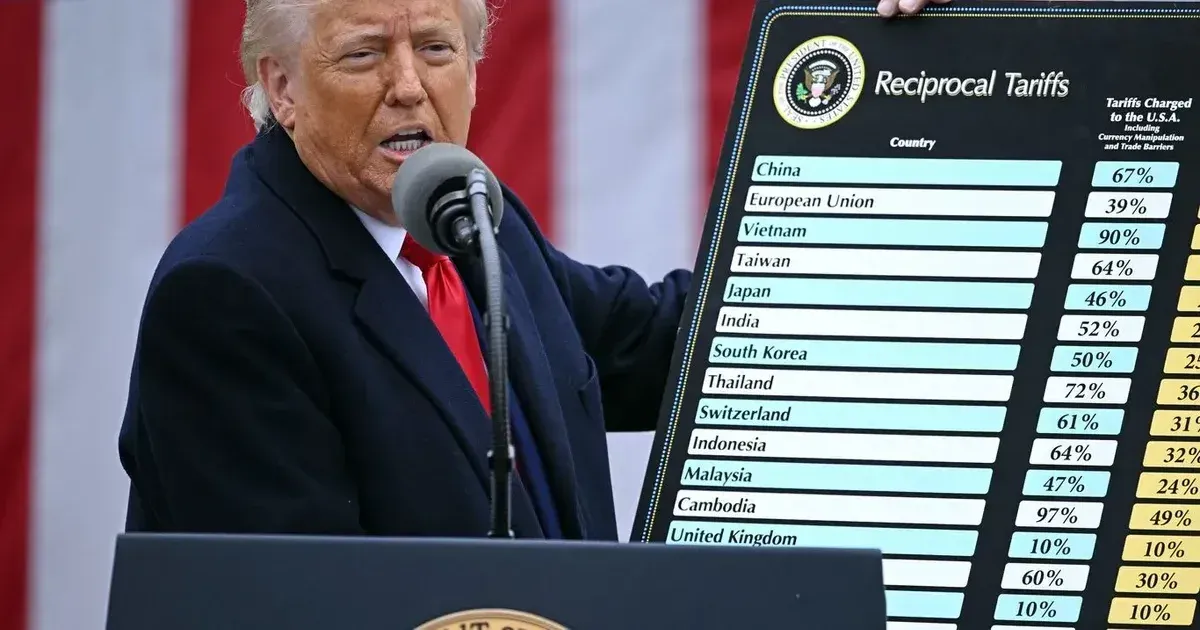
Constitutional questions regarding the International Emergency Economic Powers Act (IEEPA) underpin this entire administrative effort. Historically, presidents used IEEPA to freeze foreign assets or restrict trade with adversarial nations during crises. Use of the act to impose broad, multiyear tariffs on consumer goods met stiff resistance in federal court. Critics argued the executive branch exceeded its delegated authority from Congress.
Judicial intervention became inevitable when the Court of International Trade scrutinized the scope of these economic emergency powers. Judges determined the administration failed to follow proper procedural requirements when expanding the tariff categories. While the government initially defended the levies as essential for national security, the court found the justifications insufficient under current trade law. This initiative follows a ruling from the Court of International Trade that forced the government to establish a clear repayment path.
Supreme Court justices declined to outline the specific mechanics of the refund process. Instead, the high court left the logistics to the executive branch and lower trade courts. This portal is the primary mechanism for the administration to prove its compliance with those judicial orders. Delaying the site launch further could have exposed officials to contempt of court charges or additional lawsuits from trade associations.
Scale of the Financial Reimbursement
Data filed in federal court reveals the immense scope of the impending payouts. Only 56,500 importers had completed the necessary electronic enrollment as of early April. This figure is a fraction of the 330,000 businesses identified as potential claimants. Many smaller firms appear unaware of the steps required to access the CAPE portal. Large multinational corporations, by contrast, prepared for this date months in advance.
Phase 1 is limited to certain unliquidated entries and certain entries within 80 days of liquidation, according to a recent statement from U.S. Customs and Border Protection.
Liquidation refers to the final calculation of duties on a specific entry. Unliquidated entries are those still pending final assessment by customs officers. Restricting the first phase to these categories allows CBP to manage the initial load on the digital infrastructure. Older entries, those that reached liquidation years ago, require a more complex legal review before the government releases the associated funds.
Limitations and Eligibility in Phase One
Eligibility requirements for the first phase remain strict and technical. Importers must demonstrate their entries fall within the 80-day window or remain unliquidated to qualify for immediate processing. Entries outside these parameters will sit in a holding pattern until later phases go live. The agency has not yet provided a firm date for the transition to Phase Two.
Interest payments add another layer of complexity to the total reimbursement figures. Federal law requires the government to pay interest on certain overpaid duties, sharply increasing the fiscal impact on the Treasury. Financial analysts predict the interest alone could reach several billion dollars over the next two fiscal years. Total government liability fluctuates based on the speed of the processing and the duration of the legal stays.
Customs officials warned that participation in Phase One does not guarantee an immediate check. Compliance checks involve cross-referencing entry data with original shipping manifests and payment receipts. Discrepancies in the original valuations will result in adjusted refund amounts. Businesses must be prepared to defend their original data if the CAPE system flags a transaction for closer inspection.
Risks and Compliance Obstacles for Importers
Cybersecurity threats pose a continuous risk to the integrity of the CAPE portal. State-sponsored actors or criminal organizations might attempt to intercept the bank information of thousands of American corporations. CBP officials claim to have fortified the ACE system against such intrusions. Constant monitoring of login patterns and IP addresses forms the first line of defense for the federal government. Internal compliance failures represent a more mundane but frequent threat to successful claims. Smaller companies often lack the sophisticated tracking software used by major logistics firms. Finding old records for entries made during the peak of the tariff era can prove difficult for businesses that have moved offices or changed staff. Missing documentation is the most common reason for claim denial in previous customs programs. Market volatility may follow the mass injection of these billions back into corporate balance sheets. Retailers and manufacturers might use the windfalls to reduce debt or expand operations. Some industry experts believe the sudden liquidity could impact local supply-chain investments. Most businesses, however, intend to use the money to offset the increased operational costs incurred during the high-tariff period.
Tariff Refund Portal Tests Compliance
The CAPE portal may prove either a genuine victory for the rule of law or a cynical administrative delay. History suggests that when the federal government owes billions, the bureaucracy becomes a weapon of attrition. By splitting the refund process into phases and imposing strict 80-day windows for eligibility, the administration is effectively throttling the outflow of cash. The strategy protects the Treasury's liquidity but leaves thousands of smaller businesses in a state of financial purgatory. Compliance is a game of resources that favors the titans of industry. While major importers have the legal teams to manage the intricacies of unliquidated entries, the small enterprise is left to decode CBP filings in hopes of a 90-day payout. The discrepancy between the 330,000 eligible importers and the 56,500 who have actually enrolled is a damning indictment of the government's communication strategy. Information is being treated as a gatekeeping mechanism rather than a public service. The Treasury now faces a reckoning that was entirely avoidable. Using the IEEPA for broad economic engineering was always a high-stakes gamble with taxpayer money. Now that the courts have called the bluff, the public must pay the interest on the administration's overreach. The evidence points to an exercise in bureaucratic stalling that prioritizes fiscal optics over judicial mandates. The government is doing more than returning money; it is buying time. A billion-dollar default.