Casualties Complicate the Surrender Claim
Iraq's western desert became a graveyard for four American service members. Search and rescue teams discovered the wreckage of a military transport aircraft in a remote sector of Anbar Province, according to verified statements from U.S. officials. Initial data suggests mechanical failure rather than enemy fire brought down the plane. Defense Secretary Pete Hegseth addressed the fatalities during a televised briefing from the Pentagon, where he shared a podium with Joint Chiefs Chairman General Dan Caine. By March 13, 2026, the White House claim of an imminent Iranian surrender was colliding with casualties, oil shocks and allied doubts.
Both men refused to pause the offensive. Operation Epic Fury entered its second week with a series of coordinated strikes against Iranian ballistic missile sites and command centers. Caine provided technical details on the munitions used, citing the efficacy of long-range standoff weapons launched from regional bases. Hegseth maintained that the strategic objectives of the mission remain unchanged despite the loss of life in Iraq.
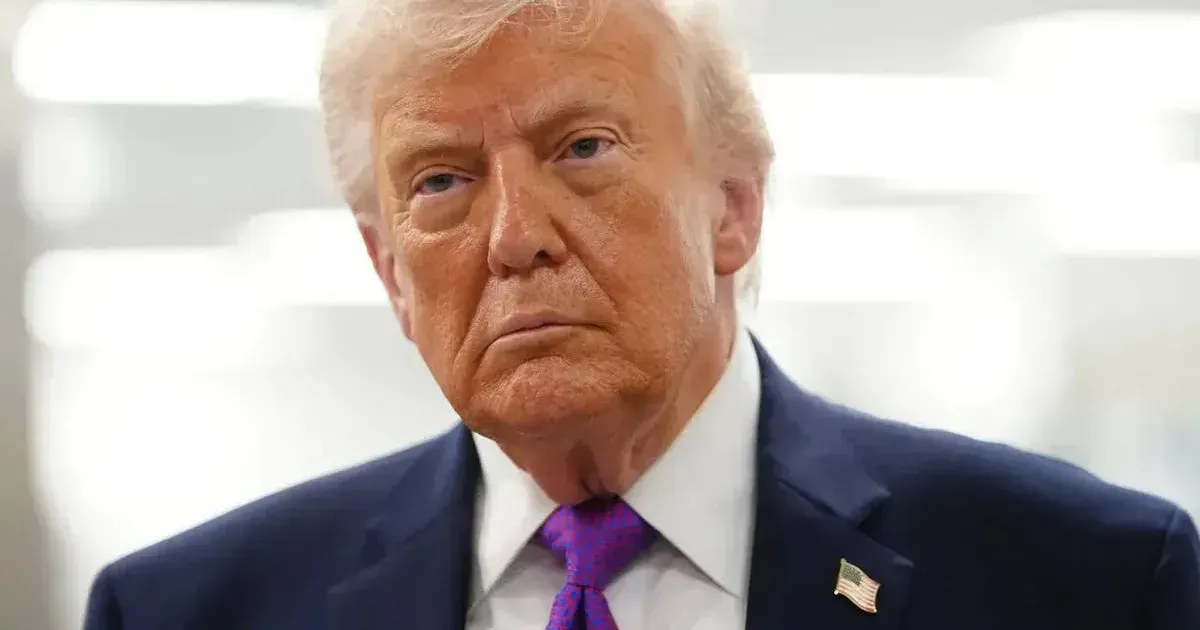
Military leaders appear focused on maintaining a high tempo of operations to prevent the Islamic Revolutionary Guard Corps from regrouping. Ground units in Iraq and Syria are currently on high alert for retaliatory drone swarms. This aircraft tragedy brings the total American death toll to double digits since the commencement of hostilities in late February. Donald Trump spoke with G7 leaders earlier this week and presented a far more optimistic view of the theater.
Tehran is about to surrender, he told his international counterparts during the private call. Trump described the Iranian leadership as a cancer that his administration is finally removing from the Middle East. Such rhetoric contrasts sharply with the reality of ongoing combat operations. Iran continues to launch strikes against Gulf maritime traffic.
Global oil markets reacted to the instability with a sharp rise in prices, pushing Brent crude past the 115 dollar mark. Traders remain skeptical of a quick resolution despite the White House's confidence. This surrender narrative lacks corroboration from intelligence agencies on the ground. European allies expressed private concerns that the American president's language might harden Iranian resolve rather than break it.
Gulf Markets Price a Longer War
German and French officials reportedly asked for evidence of the alleged impending collapse during the G7 session. No such evidence was provided to the group. Tehran claims its forces successfully struck the USS Abraham Lincoln in a daring overnight operation. Iranian state media reported that multiple anti-ship missiles penetrated the carrier strike group's defenses.
Pentagon officials dismissed these claims as pure propaganda. Satellite imagery showed the carrier operating without visible damage in the North Arabian Sea. Caine noted that the strike group's Aegis combat system successfully intercepted several inbound threats throughout the week. Escalation in the Persian Gulf remains the primary driver of international economic anxiety.
Insurance rates for tankers transiting the Strait of Hormuz have tripled since the commencement of Operation Epic Fury. Marine traffic through the region has slowed to a crawl. Crude shipments from Saudi Arabia and Kuwait face constant harassment from fast-attack craft. Security analysts in London warn that a prolonged closure of the strait would trigger a global recession by the third quarter of 2026. Domestic gasoline prices in the United States have already climbed forty cents in ten days. Hegseth defended the administration's strategy by pointing to the degradation of Iran's nuclear infrastructure. Pentagon assessments indicate that several key enrichment facilities sustained heavy damage from bunker-buster munitions. These strikes aim to eliminate Tehran's breakout capacity permanently.
The Air Force is using autonomous wingmen for the first time in high-threat environments. These unmanned platforms provide electronic warfare support for manned stealth fighters. Iranian air defense systems, including the Russian-made S-400, have struggled to track these low-observable assets. Despite these tactical successes, the Iranian leadership has not publicly signaled a willingness to negotiate.
Pentagon Gains Do Not End the Conflict
Supreme Leader Ali Khamenei released a recorded message calling for a total mobilization of the population. He promised a long war of attrition that would drain American resources and willpower. This move suggests the regime is digging in for a protracted struggle rather than preparing for the surrender Trump predicted. Internal friction at the Pentagon persists regarding the scope of Operation Epic Fury. Some senior officers worry that the current bombing campaign lacks a clear exit strategy. They point to the 2003 invasion of Iraq as a warning against open-ended military commitments in the region. Hegseth has dismissed these concerns, favoring a policy of maximum pressure. He argues that only overwhelming force can reset the regional balance of power.
The Defense Secretary's background as a media personality and veteran has shaped his approach to public communication during the conflict. He frequently uses blunt language to describe the enemy, mirroring the President's tone. Critics in Congress have called for a formal Authorization for Use of Military Force to clarify the legal boundaries of the war. The White House maintains that existing Article II powers provide sufficient authority for the current strikes.
Legal scholars in Washington and Oxford remain divided on the validity of this justification. The United Nations Security Council has held three emergency sessions without reaching a consensus on a ceasefire resolution. Intelligence reports from Israel suggest that Iranian proxies in Lebanon and Yemen are preparing to expand the conflict. Hezbollah has moved thousands of rockets closer to the Israeli border.
Strategy Runs Ahead of Diplomacy
Will Tehran actually surrender because Donald Trump told the G7 it was happening? The president's insistence that the Iranian regime is a cancer on the verge of excision is a dangerous exercise in geopolitical wishful thinking. History is littered with the corpses of empires that assumed a smaller, ideologically driven adversary would simply fold under the pressure of superior tonnage. By framing the conflict as a total war for survival, the White House has backed the Islamic Republic into a corner where surrender is synonymous with extinction. It leaves the mullahs with no choice but to escalate. Operation Epic Fury might be a technical masterpiece of modern aerial warfare, but it lacks the political subtlety required to achieve a lasting peace. We are watching an administration trade long-term regional stability for short-term domestic optics. If the goal is truly to remove the cancer, the surgeons in Washington seem remarkably indifferent to the fact that they are killing the patient. A surrender claim without a signed treaty is just noise. The real metric of success is not how many bunkers are destroyed, but whether the United States can avoid being dragged into another thirty-year quagmire in the sands of the Middle East.