Trump’s claim that Iran’s military is destroyed has intensified questions about what Washington means by victory and how quickly the war can actually end. The victory claim arrived on March 11, 2026
Trump Claims the Targets Are Gone
White House reporters gathered Wednesday to hear a declaration of functional victory that few military analysts had expected so soon. President Donald Trump, speaking from the Oval Office, asserted that the United States military has effectively liquidated the combat capabilities of the Islamic Republic. According to his assessment, the Iranian navy, anti-aircraft batteries, radar networks, and senior leadership structures have been wiped off the map. He insisted that whatever remnants of the Iranian military still exist could be taken out in an hour if they dared to pose a threat. These remarks suggest a rapid conclusion to a conflict that has dominated the geopolitical sphere for months, yet they stand in sharp contrast to the warnings of long-term policy experts. Axios reports that Trump believes the war will end soon because there is practically nothing left to target.
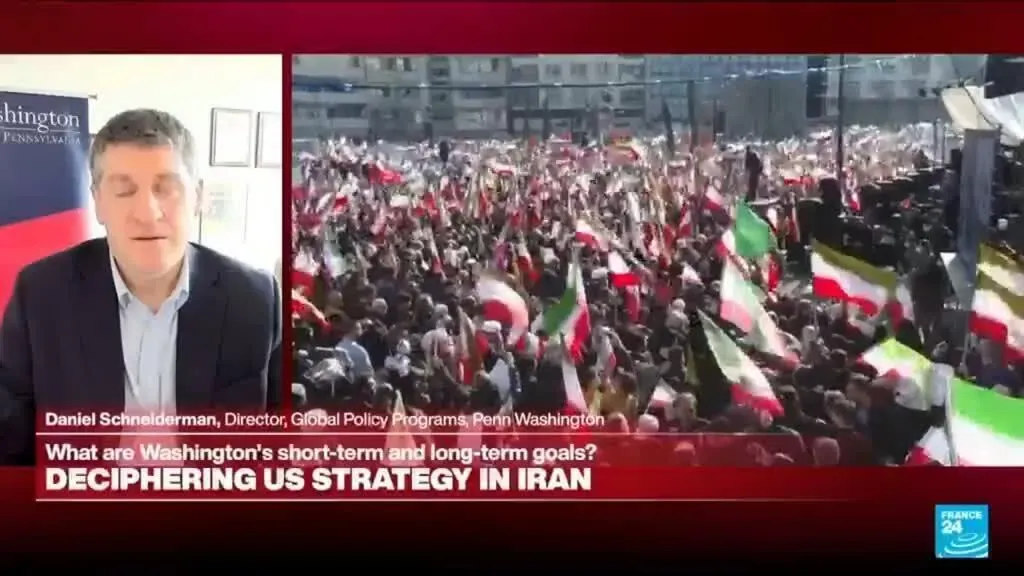
The Pentagon's daily briefings have detailed a relentless air campaign that systematically dismantled the Integrated Air Defense System across the Iranian plateau. Naval assets in the Persian Gulf and the Gulf of Oman, which once threatened global energy shipping lanes, have been largely neutralized or scuttled. Intelligence suggests that the command-and-control infrastructure of the Revolutionary Guard has been fractured, leaving localized units without centralized direction. Trump used these developments to argue that the mission is nearing its ultimate conclusion. Daniel Schneiderman, Director of Global Policy Programs at Penn Washington, offered a sobering counterpoint during a recent briefing. He argued that while the United States has achieved significant tactical military successes, a strategic triumph remains elusive.
Tactical superiority on the battlefield does not always translate into the achievement of long-term political objectives. Schneiderman pointed out that Washington has struggled to maintain a consistent set of goals, with rhetoric shifting daily between the destruction of nuclear facilities and the total removal of the current regime from power.
Tactical Dominance Is Not Political Victory
This inconsistency creates a vacuum of purpose that military force alone cannot fill. The math of modern warfare rarely follows the logic of a real estate closing. Military hardware can be replaced or bypassed through asymmetric tactics. Schneiderman warned that as long as the political system, military structure, and economic foundations of Iran remain intact, the leadership can rebound and rebuild. Iran has spent decades perfecting the art of survival under extreme pressure, utilizing a subterranean economy and a network of regional proxies to maintain influence. While the conventional navy may sit at the bottom of the ocean, the ideological and political apparatus of the state continues to function from hardened bunkers and decentralized command posts.
Washington had not yet answered the harder question of what a defeated Iran would actually do next.
History suggests that a decapitated military does not always lead to a compliant population. Air strikes have indeed gutted the conventional capabilities of the Iranian Revolutionary Guard Corps. Satellite imagery confirms that major airbases and missile launch sites are in ruins. Secretary of Defense officials noted that the suppression of enemy air defenses was so thorough that American jets now fly over Tehran with near impunity. Such dominance shows the technological gap between the two nations, yet the question of what comes next remains unanswered. If the goal was simply to break things, then the mission is a success.
If the goal was to secure a new regional order, the path forward is obscured by smoke and debris. Economists tracking the region note that the Iranian Resistance Economy has proved more resilient than many Western planners anticipated.
Why Victory Talk Is Dangerous
Victory is a seduction that often leads to the most expensive mistakes in American foreign policy. We have seen this script before, where a president stands before the cameras to announce the end of a conflict while the real struggle is only beginning. Trump's insistence that Iran can be finished in an hour displays a dangerous misunderstanding of what it means to actually win a war in the 21st century. Decimating a navy is a logistical feat, but it is not a political solution. The administration seems to believe that by removing the hardware of war, they have removed the software of resistance. That focus on tangible targets ignores the intangible reality of Iranian statehood and its ideological foundations.
If the United States exits now, it leaves behind a wounded but vengeful adversary capable of rebuilding in the shadows. The President is betting that the Iranian leadership will simply give up because they have no ships left. That is a gamble that ignores fifty years of Middle Eastern history. We are not seeing the end of a war; we are seeing the beginning of a more chaotic and unpredictable phase of regional instability that will haunt Washington long after the last missile is fired.