Trump’s demand for Iranian surrender has raised the political stakes of a conflict already moving beyond limited strikes. The surrender demand landed on March 12, 2026
Trump Raises the Surrender Demand
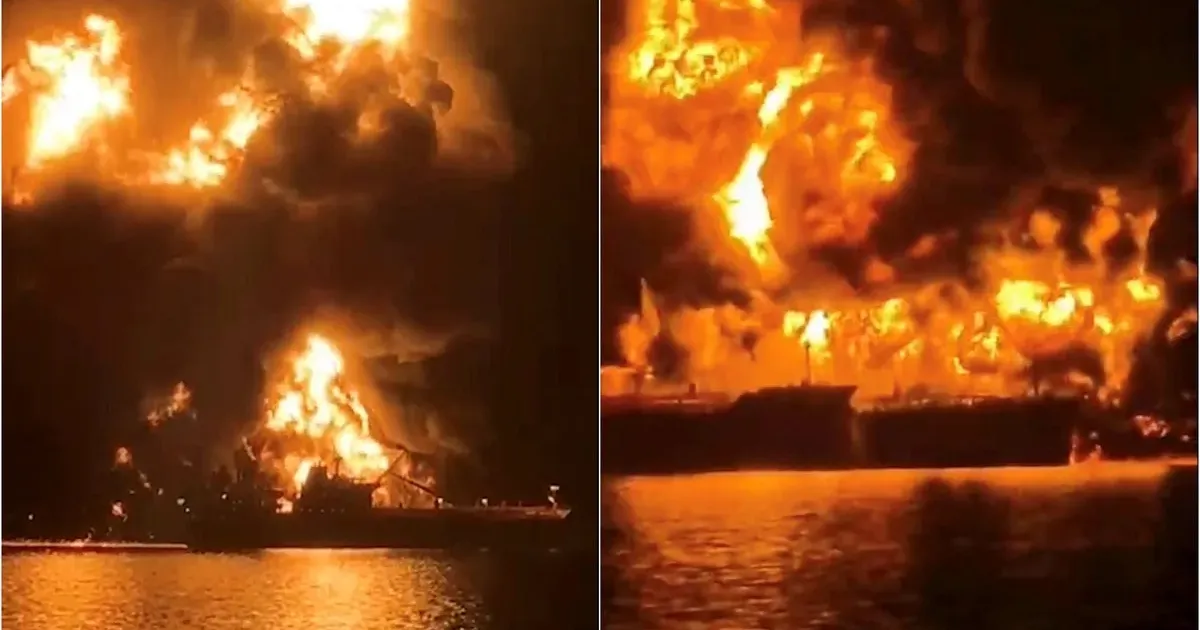
Tehran burns under a winter sky while the global economy shudders at the prospect of a prolonged siege. March 12, 2026, marked nearly three weeks of sustained military operations against the Islamic Republic, a conflict that has quickly moved beyond surgical strikes into a broad regional conflagration. Smoke plumes from the outskirts of the Iranian capital are now as common as the frantic headlines flashing across trading floors in London and New York. Global energy markets reacted with predictable volatility this morning when reports surfaced of two Iraqi tankers burning in the Persian Gulf. Evidence points toward Iranian retaliatory strikes, a move that suggests Tehran is willing to burn the house down if it cannot keep the doors open. Donald Trump declared victory from the White House earlier this week, though his definition of winning remains elusive to military analysts and diplomatic observers alike. He told reporters on Monday that the United States had effectively won the war, yet he insisted that American forces must finish the job. This lack of clarity has left allies and adversaries wondering whether the objective is regime change, nuclear disarmament, or a simple display of overwhelming force. Trump's rhetoric fluctuates between the triumphalism of a completed campaign and the grim determination of an ongoing crusade. He demands an unconditional surrender, a term that historically precedes total occupation or the complete collapse of a sovereign state. Energy analysts at Bloomberg and Reuters note that oil prices have surged to levels not seen in years, driven by the instability of shipping lanes in the Strait of Hormuz. The strikes on the Iraqi tankers served as a brutal reminder that the conflict cannot be contained within Iranian borders.
Coercion Replaces Diplomacy
The demand turned military pressure into a sharper political test. Crude futures jumped another 8 percent following the dawn attacks. Traders are pricing in a reality where Middle Eastern supply chains are no longer reliable, regardless of who claims to be winning the war on the ground. Gideon Levy, the prominent Israeli journalist and author, argues that the trajectory of this violence sits entirely in the hands of one man. Speaking to Al Jazeera, Levy suggested that neither the Israeli Cabinet nor the Iranian leadership possesses the agency to halt the current spiral. President Trump is the only figure capable of ordering a ceasefire, according to Levy. This power dynamic creates a dangerous vacuum where the personal whims of a single leader dictate the fate of millions. Levy's analysis highlights a disturbing shift in international relations where institutional guardrails have been replaced by the transactional instincts of the American executive. If the war ends, it will be because Trump decides the optics are no longer favorable, not because a strategic objective was met. Republican lawmakers are beginning to fracture under the pressure of this uncertainty. A growing faction within the party is urging the president to declare a formal end to the hostilities before the domestic economy suffers irreversible damage.
El Pais reports that the debate in Washington has devolved into a philosophical argument over the meaning of a finish line. Some senators argue that the destruction of Iran's primary air defenses constitutes a win.
Iran Cannot Easily Accept Humiliation
Others, echoing the president's Axios interview from Wednesday, believe the bombings should continue until Tehran formally submits to every American demand. Trump remains unmoved by the internal dissent, stating that the strikes will cease only when he feels the timing is right. The math of war rarely aligns with the politics of re-election. Tehran residents wake up to the sound of sirens and the smell of cordite. Simin, a tourism specialist now out of work, describes a city paralyzed by fear.
Her daughter, Elnaz, suffers from nightly terrors, unable to distinguish the sounds of war from the festive fireworks of Chaharshanbe Suri. This environment of fear has paralyzed the Iranian middle class, many of whom are now unemployed as the economy grinds to a halt. Simin told El Pais that every loud noise now causes her heart to contract. The psychological toll on the civilian population is immense, yet it rarely finds its way into the daily briefings in Washington or Tel Aviv. Millions of people are caught in the crossfire of a geopolitical gambit they did not choose and cannot escape.
Sanctions and explosions have combined to hollow out the Iranian marketplace. Travel agencies are shuttered, and basic necessities are becoming luxuries.
Markets Hear War Aims, Not Slogans
The disconnect between Trump's claims of victory and the daily reality of Iranian civilians is profound. While the American president speaks of finishing the job, Simin and her neighbors are wondering if they will have a home to return to by the end of the month. The war has entered its third week with no signs of de-escalation, despite the mounting humanitarian costs. Military observers point out that a wounded Iran is often more dangerous than a stable one. The attacks on the Iraqi tankers represent a shift in Iranian strategy toward asymmetric warfare.
By targeting energy infrastructure, Tehran is signaling that it can inflict pain on the global economy even as its own military capabilities are degraded. The demand for unconditional surrender leaves Iranian leaders with little room for face-saving measures, often a prerequisite for ending Middle Eastern conflicts. If the only options are total submission or total destruction, the ruling clerics may choose to inflict as much collateral damage as possible before the end. History suggests that demanding unconditional surrender from a nation with a deep sense of historical grievance leads to protracted insurgencies. In Washington, the semantic debates continue.
Trump's demand for unconditional surrender leaves the Iranian leadership with little room for face-saving measures, often a prerequisite for ending Middle Eastern conflicts.
Is the war over because Trump says it is, or does it continue until the last Iranian missile is neutralized?
Surrender Is Not a Policy Plan
Trump demanded Iranian surrender as military pressure intensified. The language narrowed diplomatic space by framing compromise as weakness. Iranian leaders are unlikely to accept terms that look like public humiliation. Markets and allies are watching whether rhetoric has a defined end state.
A surrender demand can make negotiation harder because the other side must avoid appearing humiliated. Hard rhetoric can signal resolve, but without a realistic exit plan it can also deepen escalation. A surrender demand sounds clean until someone asks what comes after it. Wars rarely end because one side accepts a television-ready slogan.
If there is no credible diplomatic architecture behind the threat, the rhetoric becomes a trap for the people who said it.