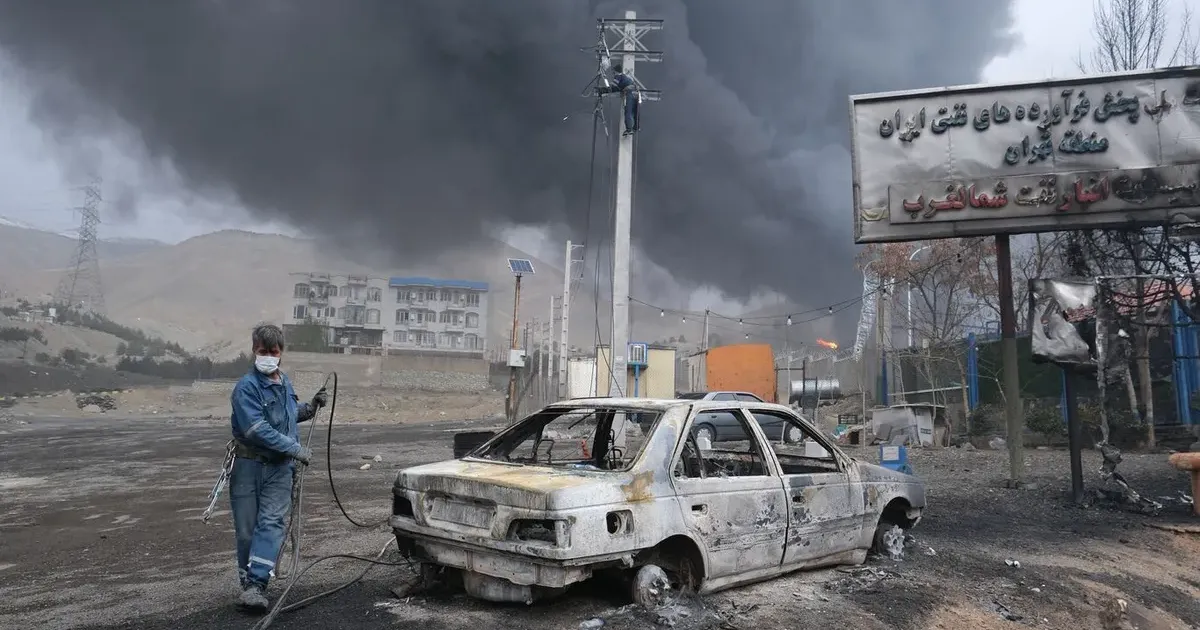
Trump's energy agenda is running into the same global pressures it promised to outrun: conflict risk, oil-market volatility and the vulnerability of domestic infrastructure. The economic effects are already visible in planning meetings. The pressure became clearer on March 12, 2026, as Iran-related tensions fed cyber warnings and revived fears that energy prices could rise even while the administration pushes for more drilling and fewer regulations. The political problem is straightforward. A president can campaign on cheap energy, but fuel markets still respond to war risk, shipping insurance, refinery disruption and the possibility that digital attacks will hit critical systems.
Cyber Risk Reaches Energy Markets
Modern energy systems depend on software as much as wells, pipes and ports. Scheduling platforms, billing systems, refinery controls, pipeline monitoring and grid connections all create points where a conflict can spread without a missile launch. That makes the phrase energy infrastructure cyber risk more than a technical concern. A disruption to logistics or pricing systems can move through businesses and households quickly, especially when markets are already nervous. Iran has incentives to avoid a direct conventional fight it cannot control, while still signaling that escalation carries costs. Cyber operations give Tehran and aligned actors a way to create pressure below the threshold of open war.
Oil Prices and Political Promises
The Trump administration's domestic energy message depends on the idea that more production and lighter regulation can shield consumers from price spikes. That argument becomes harder when geopolitical risk raises benchmarks and transport costs. Even a temporary price rise can matter politically because fuel costs are visible. Drivers do not separate refinery margins, crude benchmarks, shipping insurance and strategic risk when prices change at the pump. They blame the people in power. The White House therefore faces a communications challenge as well as a policy challenge. It must show that its energy strategy can absorb external shocks rather than simply describe those shocks as someone else's fault.
The Trump administration's domestic energy message depends on the idea that more production and lighter regulation can shield consumers from price spikes.
Industry Exposure
Energy companies are likely to increase monitoring, review incident response plans and press federal agencies for clearer intelligence. The private sector owns much of the infrastructure that would carry the first economic impact of a cyber disruption. At the same time, firms do not want public panic. They need to reassure investors that operations remain stable while quietly preparing for scenarios that could range from nuisance attacks to serious outages.
Foreign Policy Tradeoff
The administration's dilemma is that deterrence abroad can collide with affordability at home. A hard line toward Iran may satisfy hawks, but it can also raise the risk premium embedded in energy prices. That does not mean the United States can ignore Iranian actions. It means leaders have to explain the cost of confrontation honestly, especially when the promised domestic benefit was lower prices and stability.
Domestic Cost Channels
The cost channels are familiar but politically dangerous. Higher crude prices can lift gasoline, diesel, airline fuel and shipping costs. Cyber alerts can raise insurance and compliance spending. Refiners and utilities may delay maintenance or investment if they expect a wider conflict to affect supply routes. Those pressures do not always arrive as one dramatic shock. They can appear as small price increases, longer delivery schedules, higher business costs and a general sense that companies should hold more cash because the operating environment has become less predictable. For a White House built around affordability messaging, that is a serious vulnerability. The administration can celebrate domestic production, but voters experience energy policy through bills, commutes and grocery prices shaped by transport costs.
A conflict premium can therefore weaken the political value of drilling approvals. If global markets are pricing risk into every barrel, domestic supply growth may soften the blow without eliminating it.
Cyber Deterrence Is Hard to Sell
Cyber deterrence is harder to explain than naval deployments or sanctions. Officials may know a hostile actor is probing systems, but public evidence can be classified, incomplete or ambiguous. That makes it difficult to reassure citizens without revealing defensive gaps. The administration also has to coordinate with private firms that own key infrastructure. A fragmented response would leave companies guessing about threat intelligence while Washington tries to keep the broader conflict from escalating.
The administration also has to consider how energy policy interacts with allies. European and Asian partners may support pressure on Iran while still fearing the economic consequences of a prolonged oil shock. Their cooperation could weaken if Washington appears indifferent to the cost imposed on import-dependent economies.
Domestic producers may benefit from higher prices in the short term, but that is not the same as a national affordability strategy. If households and manufacturers pay more, the political benefit of a strong drilling sector can be offset by broader inflation pressure.
The conflict therefore forces a more honest energy debate. Production matters, but so do shipping lanes, cyber defense, refinery capacity, strategic reserves and the diplomatic work required to keep a regional crisis from becoming a global price event.
The energy debate is no longer only about drilling permits. It is about whether a domestic economic agenda can survive a conflict environment where the front line includes tankers, servers and household utility bills.