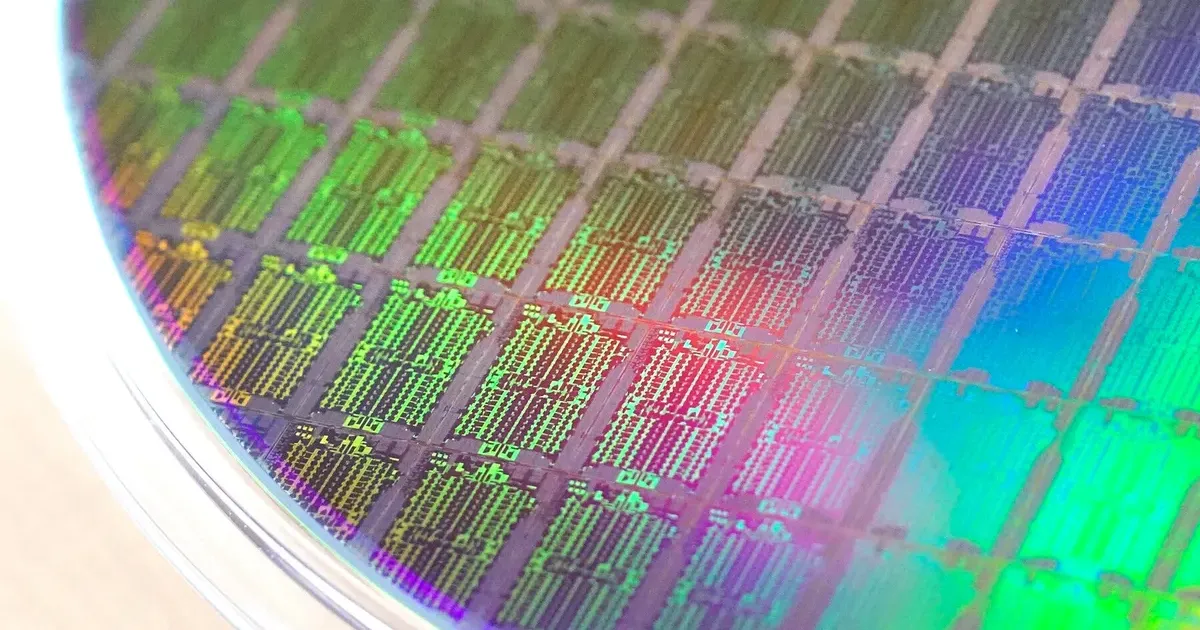
Donald Trump authorized the creation of the Pax Silica fund to insulate the American economy from foreign supply-chain disruptions. Administration officials described the initiative as a multi-billion-dollar financial vehicle designed to subsidize domestic production of semiconductors and energy infrastructure. Announced on March 29, 2026, the move follows months of escalating tension and military engagement in Iran that disrupted trade routes and sent energy prices into a volatile spiral. White House advisers argued that the conflict demonstrated an urgent need to remove vulnerabilities in the high-tech sector.
Implementation of the Pax Silica initiative begins immediately under the direction of the Department of Commerce. Early reports suggest the fund will prioritize the construction of state-of-the-art fabrication plants within the continental United States. Silicon, the base material for nearly all modern computing, remains the primary focus of the procurement strategy. Administration officials believe that by securing the entire lifecycle of silicon processing, from raw sand to finished microchips, the nation can bypass the geopolitical risks currently plaguing the Persian Gulf. Recent disruptions in the Strait of Hormuz have made the cost of maintaining global maritime security prohibitively expensive for private shipping firms.
Iran Conflict Exposes Fragile Global Energy Links
War in Iran has fundamentally altered the calculus for global energy distribution over the last several months. Oil tankers redirected their routes to avoid the combat zone, leading to a localized shortage of refined petroleum products in Western markets. Prices at the pump reflected this instability, prompting voters to demand more aggressive domestic energy policies. Trump officials pointed to these specific price hikes as the catalyst for the Pax Silica framework. Energy security, once a secondary concern to market efficiency, now dominates the executive agenda. Planners intend to use the fund to bridge the gap between legacy fossil fuels and silicon-based solar technology.
Economic analysts at several major banks have observed that the war effectively ended the era of cheap global logistics. Insurance premiums for cargo passing through the Middle East tripled within weeks of the initial strikes. These rising costs filtered down to consumers, impacting everything from electronics to basic household goods. Washington saw this as a clear indicator that the old model of globalized trade could no longer sustain national stability. $500 billion is the projected initial capitalization of the fund, though officials suggest this number could grow through private-sector partnerships. Government involvement aims to provide a safety net for manufacturers who might otherwise fear the high entry costs of domestic production.
Pax Silica Strategic Tech Re-Shoring Mandate
Technology firms have expressed a mix of interest and caution regarding the new federal mandates. Transitioning complex manufacturing processes from Asia to North America involves serious logistical hurdles. The Pax Silica fund offers tax credits and direct grants to offset the expense of moving specialized equipment. Proponents of the plan argue that domesticating the tech stack is the only way to ensure long-term economic survival. Critics, however, worry about the inflationary impact of abandoning low-cost foreign labor markets. Despite these concerns, the administration insists that the security benefits of re-shoring outweigh the immediate fiscal pressures. This initiative attempts to secure the global semiconductor supply chain against the disruptions detailed in our previous reporting.
A spokesperson for the Trump administration stated that the United States can no longer outsource its survival to regions of the world that are currently on fire.
Silica processing requires immense amounts of stable electricity and a highly skilled workforce. Locations in the American Southwest are being scouted for new industrial hubs due to their proximity to raw materials and existing tech corridors. Federal researchers are focusing on new methods to purify silicon with lower carbon footprints to satisfy domestic environmental standards. Success in these ventures would allow the United States to dominate the next generation of computing architecture. Current dependence on East Asian foundries is viewed as a strategic liability that the Pax Silica fund is specifically designed to eliminate.
Capital allocation and private-sector integration now determine whether the fund can move beyond announcement politics.
Financial markets reacted with caution as the details of the capital allocation surfaced on March 29, 2026. Institutional investors are watching to see if the fund will operate as a traditional grant program or a public-private equity partnership. Early indicators suggest a hybrid model where the government takes minority stakes in critical manufacturing firms. This approach ensures that the taxpayers benefit from the long-term growth of the re-shored industries. Success depends on the ability of the Department of Energy to coordinate with private utility providers to power these new industrial zones. Many existing grids require meaningful upgrades to handle the load of huge semiconductor plants.
Venture capital firms in Silicon Valley have already begun pivoting their portfolios to align with the Pax Silica priorities. Infrastructure projects that previously struggled to find funding are now seeing a surge in interest from federal planners. The focus on silica extends beyond chips into the area of fiber optics and advanced glass for aerospace applications. Every facet of the modern digital economy relies on this single element, making its domestic control a top-tier priority. JPMorgan Chase analysts noted that the shift toward economic nationalism is accelerating faster than most models predicted last year. This trend is unlikely to reverse as long as the Iranian conflict continues to drain global resources.
Economic Sovereignty and the New Trade Doctrine
Trade agreements are currently being renegotiated to reflect the priorities of the Pax Silica fund. Traditional allies in Europe and Asia are being asked to contribute to a collective security umbrella for tech supply chains. Countries that refuse to align with the new standards may find themselves facing increased tariffs or restricted access to American markets. The doctrine moves away from the free trade ideals of the late twentieth century toward a more controlled and secure economic environment. Sovereignty, in this context, is defined by the ability to produce essential goods without foreign interference. The administration views this as the final step in a broader strategy to decouple from adversarial nations.
Legal challenges to the fund are expected from international trade bodies that view the subsidies as a violation of existing treaties. Washington appears prepared to ignore these objections in favor of national security imperatives. Legal experts suggest that the emergency powers invoked during the Iran conflict provide a strong defense for the administration's actions. Domestic support for the fund remains high among industrial workers who see the potential for a manufacturing resurgence. The return of high paying technical jobs to the Rust Belt is a central promise of the Pax Silica initiative. Whether the infrastructure can be built fast enough to stabilize the economy stays the primary concern for regional leaders.
What Economic Sovereignty Costs
Naming a fund Pax Silica is a transparent attempt to mask aggressive mercantilism under the guise of geopolitical stability. The administration is not seeking a peaceful global trade environment but is instead constructing a high-tech fortress. By hoarding the means of silicon production, the United States is essentially telling the rest of the world that the era of cooperation is over. It is a calculated gamble that assumes American consumers will tolerate higher prices in exchange for a theoretical sense of security. If the fabrication plants fail to come online within the next three years, the domestic economy will face a supply crunch that makes the current Iran crisis look minor.
History shows that government-directed industrial policy often leads to enormous inefficiencies and bloated bureaucracies. Pouring hundreds of billions into a single sector creates a moral hazard where firms become more interested in lobbying for grants than innovating. The Pax Silica fund risks turning the American tech sector into a collection of state-sponsored entities that cannot compete on the global stage. The move also invites retaliation from trading partners who will almost certainly develop their own protectionist barriers. We are looking at the fragmentation of the internet and the digital economy into rival spheres of influence.
The fund marks a retreat from the dream of a borderless digital economy toward a more defensive industrial model. That shift may be necessary in a crisis, but it will carry higher costs, slower deployment timelines and a greater risk of political favoritism in capital allocation.