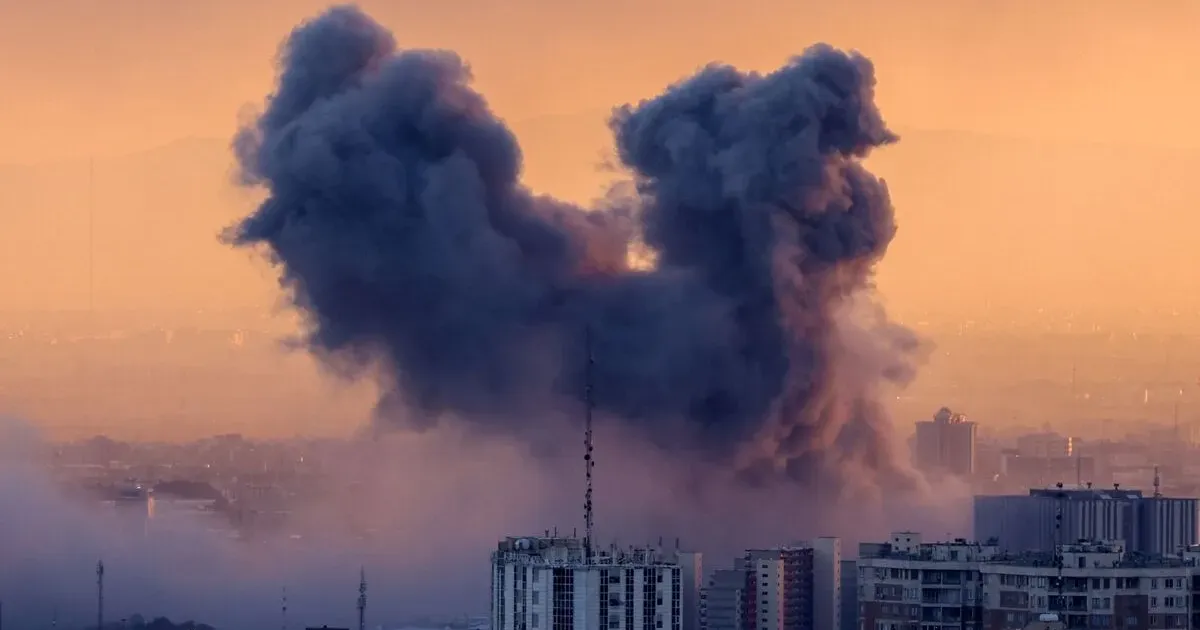
Donald Trump's hardline Iran strategy is now being judged through energy markets, shipping exposure and alliance strain as much as through military claims. The conflict has made the Strait of Hormuz and the wider Gulf a direct economic issue for countries that depend on imported oil, liquefied natural gas and reliable shipping schedules. That is why the debate is no longer only about Tehran. It is about whether Washington can apply pressure without forcing allies to absorb costs they did not choose.
The administration argues that maximum pressure can reduce Iran's military options and push Tehran toward better terms. The economic problem is that coercion does not stay inside the target country. Oil traders, insurers, refiners, airlines, factories and central banks all react before diplomacy has produced an answer. A strategy meant to impose costs on Iran can therefore impose costs on Europe, East Asia and poorer import-dependent economies at the same time.
Energy Market Exposure
The Strait of Hormuz is the obvious pressure point. Any threat to tanker movement through the Gulf adds a risk premium to crude, LNG and shipping insurance. Even when routes remain open, markets price the possibility that a missile strike, naval incident or political order could slow traffic with little warning. That uncertainty is enough to affect fuel costs, freight contracts and inflation expectations.
Europe and East Asia are especially exposed because their industrial systems depend on imported energy and predictable maritime routes. Japan and South Korea have little room to treat Gulf disruption as a distant problem. European manufacturers face a related squeeze after years of energy volatility. Higher fuel and gas costs do not only hurt consumers at petrol stations; they raise input costs for chemicals, metals, transport, food production and construction materials.
Central banks face an awkward trade-off. War-driven energy inflation is not easily solved by higher interest rates, but ignoring it can damage credibility if households and companies start expecting another round of price increases. That makes the Iran confrontation an economic-policy problem, not only a foreign-policy problem.
Alliance Friction
The strategy also strains allies because Washington is asking partners to live with the consequences of escalation while offering them limited control over the decision-making. Reporting around the crisis has repeatedly shown reluctance among US partners to be pulled into open-ended military commitments around Hormuz. That reluctance is not simply weakness. It reflects a basic strategic question: what is the exit route?
The Economist's John Prideaux framed the problem around the risks in Trump's Iran approach, and the weakness is visible in three places. First, pressure without a clear diplomatic off-ramp can make escalation easier than settlement. Second, sanctions and military threats often land hardest on allies that still depend on exposed supply chains. Third, the administration has not fully solved the energy-substitution problem for partners that cannot quickly replace Gulf flows.
That combination makes public unity harder to sustain. European governments may agree that Iran is a security problem while still resisting a strategy that raises fuel prices, refugee risks and legal questions over civilian harm. East Asian partners may want the United States to keep shipping lanes open while avoiding a broader war that disrupts their own factories. Alliance management becomes more difficult when partners see the bill before they see the plan.
Supply Chain Costs
Shipping risk spreads quickly. Insurers, port operators and carriers do not wait for a formal declaration of war before repricing danger. If the Gulf and Red Sea remain unstable, companies reroute cargo, hold more inventory, change delivery promises and pass costs down the chain. Those decisions can outlast the immediate crisis because once a company redesigns a route around insecurity, it needs confidence before returning to the old path.
The hardest hit are often smaller firms with less bargaining power. Large carriers can negotiate, hedge and absorb temporary shocks. Smaller importers and exporters face higher freight costs, delayed shipments and tighter cash flow. Consumers eventually see the effect in food, electronics, household goods and travel prices. That is how a regional confrontation becomes a domestic economic story in countries far from the battlefield.
There is also a financial-system consequence. Heavy use of sanctions can reinforce American leverage in the short term, but repeated weaponization of dollar access encourages rivals and some non-aligned states to build workarounds. Those alternatives may remain incomplete, but the incentive grows each time countries conclude that their access to payments, insurance and trade finance can be disrupted by a Washington decision they do not control.
Economic Fallout
The analysis is that Trump's Iran strategy is a gamble with other economies as collateral. The United States can absorb some energy volatility better than many allies because of domestic production, market depth and reserve-currency power. That does not mean the costs disappear. It means they are distributed unevenly, often landing on partners whose cooperation Washington still needs.
Sanctions and military pressure can be legitimate tools when tied to a defined objective and a credible path to de-escalation. Used without that discipline, they become a tax on the global system the United States claims to defend. Allies will tolerate pain when they understand the purpose, duration and exit. They become less patient when the strategy looks like open-ended pressure wrapped in political theater.
The hard truth is that Iran does not have to win an economic contest to damage the wider market. It only has to keep enough uncertainty alive around energy corridors, shipping insurance and regional retaliation. That uncertainty raises the cost of trade, weakens allied confidence and gives Tehran leverage even while its own economy suffers.
If Washington wants pressure to produce security rather than drift, it needs more than threats. It needs an end state allies can recognize, energy safeguards they can trust and diplomatic channels that do not look like surrender to either side. Without that, the primary casualty may not be Tehran's leadership. It may be the credibility of the American-led economic order itself.