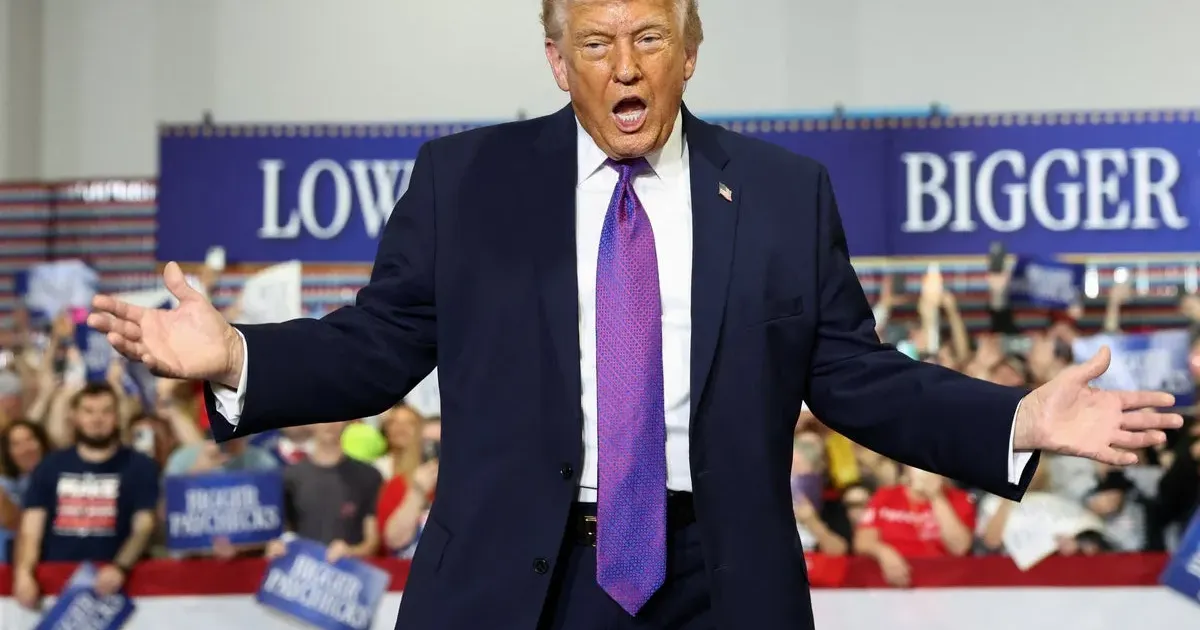
Trump's description of the Iran war as a little excursion landed on March 12, 2026, colliding with the scale of the conflict he is defending.
Trump’s description of the Iran war as a “little excursion” is colliding with the scale of the conflict he is defending.
Casual Language Meets Real War
Cincinnati became the stage for a dramatic collision of domestic grievances and foreign policy dismissals on Wednesday. Standing within a manufacturing facility that served as a backdrop for economic messaging, Donald Trump addressed the escalating tensions in the Middle East with a brevity that stunned military analysts. He characterized the ongoing military operations in Iran as a little excursion, suggesting the engagement serves to keep the United States out of a broader war. Such phrasing contrasts sharply with reports from the ground where American forces continue to face sophisticated asymmetric threats across the region. Critics immediately seized on the choice of words, noting that hundreds of personnel remain in high-risk zones. While the administration seeks to frame these maneuvers as preventative strikes, the reality on the front lines involves complex logistics and significant risk to service members. Trump maintained that this strategy remains the only viable path to avoid a full-scale regional conflagration. He argued that precision strikes and localized engagements prevent the need for a massive troop surge, though he provided few specifics on the metrics used to define the success of this excursion. Warfare rarely conforms to the optimistic labels provided by political leadership. Pentagon officials have spent weeks attempting to reconcile these public pronouncements with the gritty reality of the conflict. Military leaders often use more somber terminology when discussing the deployment of assets in the Persian Gulf.
Cincinnati Crowd Gets a Sanitized Conflict
By minimizing the scale of the fighting, Trump potentially risks alienating the families of those currently deployed. Veterans groups have already begun expressing concern that trivializing the nature of the combat could impact the long-term support for returning troops who have experienced the brutality of the so-called excursion firsthand. Questions regarding the Minab girls school strike further complicated the day's agenda. An internal military investigation recently concluded that United States forces were responsible for the strike, which resulted in significant civilian casualties. When Al Jazeera reporters asked for his reaction to these findings, Trump denied any knowledge of the report. He stated simply that he did not know about the document, effectively distancing the executive branch from the conclusions of its own Defense Department. This assessment stands in opposition to the transparency protocols usually expected following high-profile civilian casualty events. Responsibility for the incident in Minab has become a focal point for international human rights organizations, making the gap between campaign language and wartime consequence impossible to miss. These groups have published satellite imagery and forensic evidence suggesting a precision-guided munition hit the educational facility during morning classes. While the military probe admitted fault, the commander-in-chief's lack of awareness suggests a disconnect between the Oval Office and the military chain of command. Such gaps in communication often lead to diplomatic friction, especially when allied nations demand accountability for errors that occur during joint operations.
Words Lower the Political Cost
The silence from the top regarding the Minab investigation remains deafening for victims. International observers worry that ignoring the results of an official probe undermines the credibility of American military justice. If the highest levels of government refuse to acknowledge documented mistakes, the path to reparations for the families in Minab becomes increasingly opaque. Legal experts suggest that acknowledging the strike is a prerequisite for any formal apology or settlement. Without this recognition, the incident remains a festering wound in the relationship between Western forces and local populations in the region. Hostility toward the media surged during a tense exchange regarding domestic legal matters. A woman journalist questioned why the FBI has seized Arizona voting records, a move linked to ongoing investigations into election integrity. Trump reacted with visible frustration, labeling her a rotten reporter before moving to the next question.
This outburst marks the fifth time in five months that he has targeted a female member of the press with personal insults. Observers note that these attacks often coincide with questions about sensitive legal or investigative developments. Records from the Arizona seizure involve thousands of documents that federal agents believe are central to understanding interference patterns.
The Risk Is Normalization
Trump has consistently maintained that these investigations are politically motivated, though the FBI has cited specific evidentiary requirements for the raid. By attacking the messenger, he shifts the focus from the legal implications of the Arizona records to the conduct of the press itself. This pattern of evasion has become a staple of his public appearances, creating a combative environment for those tasked with reporting on federal law enforcement actions. Journalistic integrity requires pressing for answers even when met with vitriol.
Gender dynamics within the press pool have also come under scrutiny as these specific insults continue to occur. Data from the last five months indicates a preference for aggressive rhetoric when women journalists ask about legal vulnerabilities. Such behavior draws criticism from press freedom advocates who argue that personal attacks serve to intimidate reporters and discourage rigorous questioning. Despite the insults, the press corps continues to pursue clarity on the Arizona voting records, which remain a significant hurdle for the administration's narrative of total transparency.
Financial markets have reacted to the combined weight of these controversies with mild volatility. Investors often look for stability in both foreign policy and domestic governance, yet the Cincinnati speech offered a mix of unpredictability and aggression.
War Is Not a Campaign Anecdote
Trump described the Iran war as a little excursion during a Cincinnati visit. The phrase minimized a conflict carrying military, civilian and fiscal consequences. Casual war language can reduce public scrutiny at the exact moment scrutiny is needed. The remark fits a broader pattern of turning escalation into campaign entertainment.
Calling a war a little excursion is not just tasteless; it is politically useful. It shrinks civilian risk, military cost and constitutional gravity into a line designed to make escalation sound manageable.